Moving to Pune: A Complete Newcomer’s Guide to Areas, Renting, Transport, Utilities, Weather and Daily Life
Moving to Pune? A guide to choosing an area, renting legally, police verification, Metro and buses, electricity and gas connections, weather and daily life.
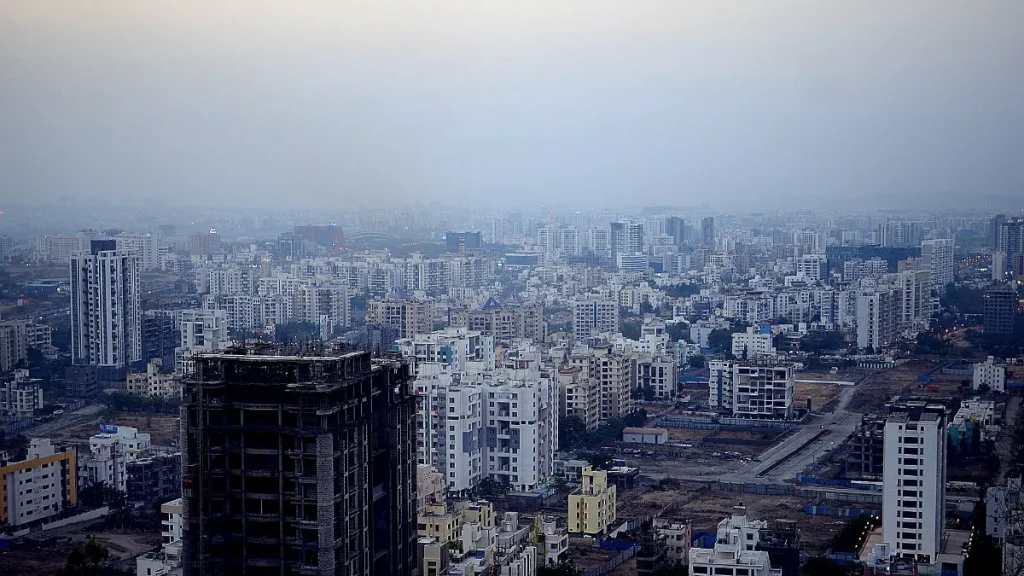
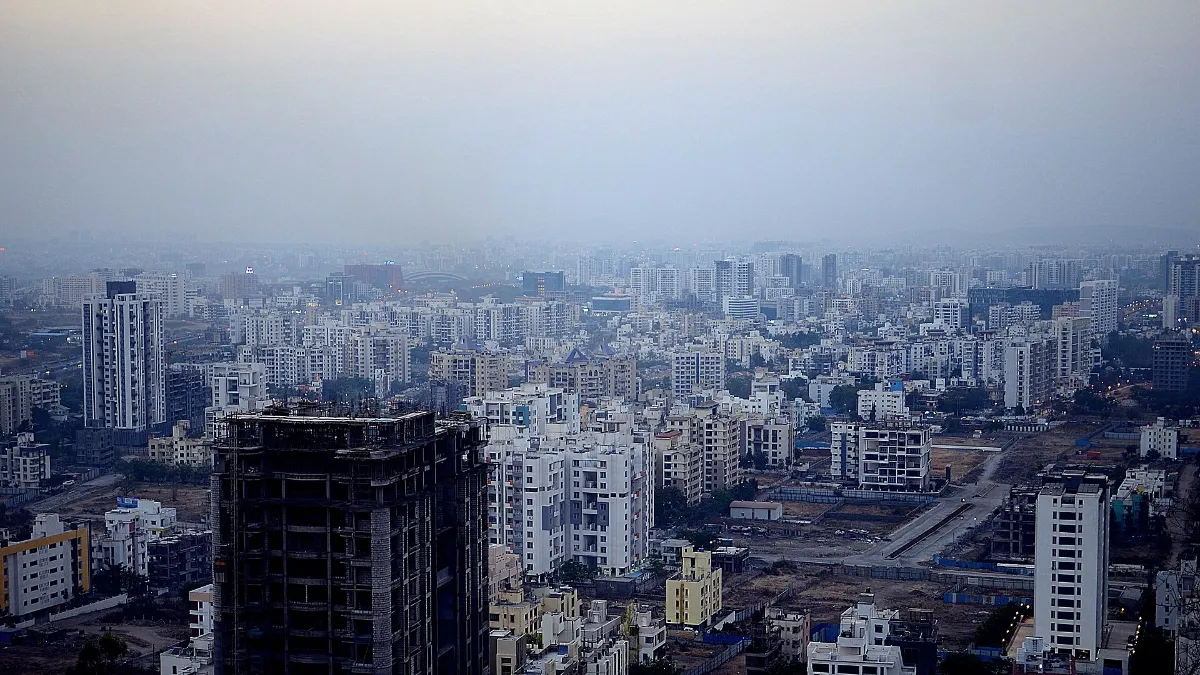
Photo: Ujjawal.Gayakwad / CC BY-SA 4.0, via Wikimedia Commons
Every year, thousands of people move to Pune for a new job in Hinjewadi or Kharadi, a college admission, a transfer or simply a better quality of life than Mumbai or Bengaluru. Pune has earned its reputation as a liveable city: a pleasant climate for most of the year, a strong education base, a large IT and manufacturing economy, and a culture that still feels rooted.
But Pune is also a city of two municipal corporations, fast-growing suburbs, traffic that can surprise newcomers and local rules that are easy to miss. This guide walks you through everything you need to settle in, from choosing an area and renting legally to getting around, setting up utilities and understanding daily life.
Key takeaways
- Pune is governed by two corporations: Pune Municipal Corporation (PMC) for the core city and Pimpri-Chinchwad Municipal Corporation (PCMC) for the industrial and IT belt to the north-west. PMRDA covers the wider region.
- Choose your area by your commute first. Living close to work or a Metro line saves hours every week.
- In Maharashtra, rental agreements (leave and licence) must be registered, and tenant details should be submitted to the police for verification.
- Electricity comes from MSEDCL (Mahavitaran), piped gas from MNGL in most areas, and water from PMC or PCMC, often supplemented by tankers in some suburbs.
- Pune’s monsoon runs roughly June to September; winters are mild and summers hot in April and May.
In this guide
- Understanding Pune’s map
- Choosing an area: start with your commute
- Renting a home: what the law expects
- Getting around Pune
- Setting up utilities
- Weather: what to expect through the year
- Healthcare, education and daily services
- Language and culture
- What to budget for
- Emergency and useful numbers
- Common mistakes newcomers make
- A first-month checklist for newcomers
- Frequently asked questions
Understanding Pune’s map
Pune can confuse newcomers because the “city” people talk about includes several administrations:
- Pune Municipal Corporation (PMC): The old city, the Peths, Deccan, Kothrud, Karve Nagar, Aundh, Baner, Koregaon Park, Kharadi, Hadapsar and many merged villages on the edges.
- Pimpri-Chinchwad Municipal Corporation (PCMC): Pimpri, Chinchwad, Akurdi, Nigdi, Bhosari, Wakad, Pimple Saudagar, Ravet and more. This is Pune’s industrial heart, home to auto and engineering plants, and a big residential belt for IT employees.
- Pune Cantonment and Khadki Cantonment: Camp and the Khadki area are administered by cantonment boards.
- PMRDA: The Pune Metropolitan Region Development Authority plans the wider region, including areas such as Hinjewadi’s surroundings, Maan, Chakan and Talegaon.
This matters because property tax, water supply, building permissions and complaints go to different offices depending on where you live.
Choosing an area: start with your commute
The single best piece of advice for newcomers is to live near your workplace or along a Metro line. Pune’s arterial roads, such as the Hinjewadi corridor, Nagar Road and Solapur Road, can be very slow at peak hours.
| Area | Character | Good for |
|---|---|---|
| Hinjewadi, Wakad, Maan | IT parks, new high-rises, still developing infrastructure | People working in Rajiv Gandhi Infotech Park |
| Baner, Balewadi, Aundh | Established suburbs, cafes, schools, wide roads | Families and professionals working in west Pune or Hinjewadi |
| Kothrud, Karve Nagar, Erandwane | Mature residential areas, strong Marathi culture, good schools | Families wanting a settled neighbourhood |
| Deccan, Shivajinagar, Model Colony | Central, close to colleges and offices, older buildings | Students and those who want a central base |
| Peth areas | Old city, markets, heritage, dense and busy | People who love the old city and walkability |
| Koregaon Park, Kalyani Nagar | Upscale, restaurants, nightlife, greenery | Professionals with higher budgets |
| Viman Nagar, Kharadi, Wagholi | Close to the airport, EON IT park and World Trade Center | IT and airport-linked jobs on the east side |
| Hadapsar, Magarpatta, Amanora | Townships, IT offices, malls | Families wanting gated communities on the east side |
| Pimple Saudagar, Pimple Nilakh, Ravet, Nigdi | PCMC suburbs, more space for money, industrial jobs nearby | Families and people working in PCMC or Hinjewadi |
| Undri, NIBM, Kondhwa | Growing southern suburbs, newer projects | People working on the east or south side |
Before you finalise, visit the area at the time you would actually commute, ask residents about water supply in summer, and check how far the nearest Metro station or main bus route is.
Renting a home: what the law expects
Most newcomers start by renting. A few rules are specific to Maharashtra and worth knowing.
Register the leave and licence agreement
In Maharashtra, rental agreements are usually made as leave and licence agreements under the Maharashtra Rent Control Act, 1999, and they must be registered. Registration can be done online through the Department of Registration and Stamps (IGR Maharashtra) e-registration system, with Aadhaar-based verification, and many agents and service providers handle the process for a fee. The agreement attracts stamp duty and a registration fee. An unregistered agreement can cause problems for both owner and tenant if there is a dispute.
Tenant police verification
Landlords in Pune are expected to submit tenant details to the police. This can be done online through the Maharashtra Police citizen portal or the Pune Police services, and many registered agreements include it. Keep a copy of the acknowledgement. It is useful for address proof and is often checked by housing societies.
Deposits, brokerage and society rules
- Security deposits are commonly a few months’ rent, higher than in some other cities. Agree in writing on deductions and refund timelines.
- Brokers typically charge a fee linked to one month’s rent or a share of it. Clarify this before viewing homes.
- Housing societies may have their own rules on tenants, pets, moving timings and maintenance charges. Ask for a copy of the society’s rules.
- Check the electricity meter reading, gas meter and water arrangements on the day you move in, and photograph the condition of the flat.
Getting around Pune
Pune Metro
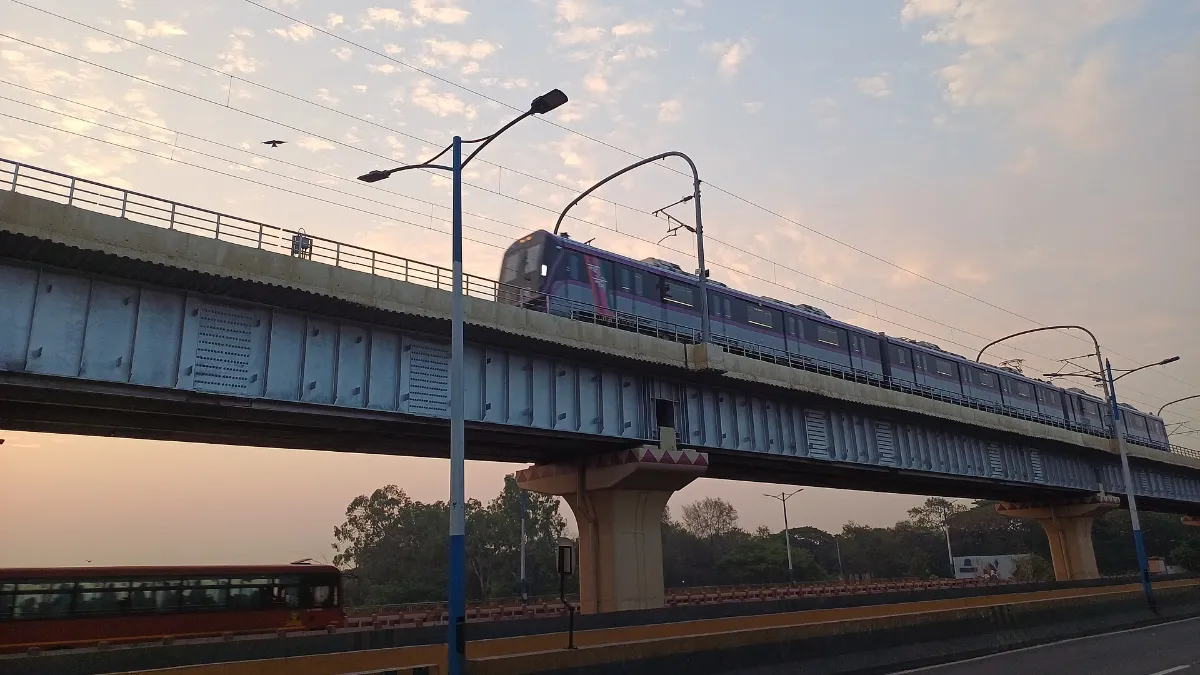
Pune Metro, operated by Maha Metro, has become the fastest way to cross the core city. The Purple Line runs from PCMC Bhavan to Swargate and the Aqua Line from Vanaz to Ramwadi; they meet at District Court. The Hinjewadi to Shivajinagar Line 3, built by PMRDA, began opening in November 2026 with 17 of its 23 stations in the first phase. Our Pune Metro guide has routes, timings and fares, and our report on Hinjewadi Metro Line 3 lists which stations are open.
PMPML buses
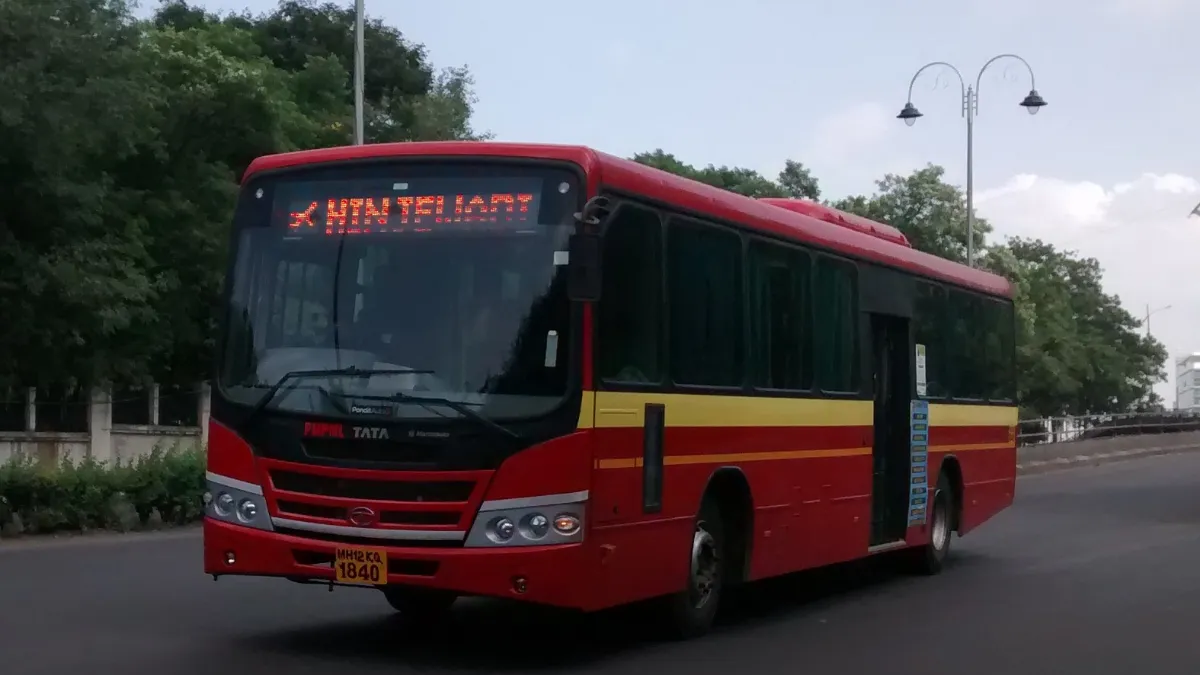
Pune Mahanagar Parivahan Mahamandal Ltd (PMPML) runs city buses across PMC, PCMC and surrounding areas, including AC electric buses and BRTS corridors on some routes. Daily and monthly passes are available, and the network is extensive though crowded at peak hours.
Autos, cabs and two-wheelers
Autorickshaws run on meters, and app-based autos, cabs and bike taxis are widely available, though the rules on bike taxis have changed several times. Many Punekars rely on a two-wheeler; if you ride, wear a helmet, as Pune Traffic Police run regular drives against riding without one.
Bringing a vehicle from another state
If you are bringing a vehicle registered in another state and plan to stay long term, you will eventually need to re-register it in Maharashtra and pay the applicable road tax. Pune has RTO offices in Pune city and Pimpri-Chinchwad. Check the Parivahan portal or the RTO for the current process. Vehicles registered under the BH series, available to certain employees who move often, are exempt from re-registration.
Setting up utilities
| Utility | Provider | How to apply |
|---|---|---|
| Electricity | Maharashtra State Electricity Distribution Co. Ltd (MSEDCL, Mahavitaran) | Transfer or new connection through the MSEDCL website or app; tenants usually keep the connection in the owner’s name |
| Piped gas | Maharashtra Natural Gas Ltd (MNGL) in most of Pune and PCMC | Apply online; older buildings may use LPG cylinders from oil company distributors |
| Water | PMC or PCMC water supply | Through the building or society; some newer suburbs depend partly on tankers |
| Internet | Several fibre broadband providers | Check which providers already have cabling in your building |
| Property tax (owners) | PMC or PCMC | Online through the corporation’s property tax portal |
Local tip: Ask the society secretary before you move in about water timings, tanker costs and any summer cuts. Pune’s water supply depends on the Khadakwasla dam system, and the city has faced cut-backs after weak monsoons; see our report on Pune’s water allocation for 2026-27.
Weather: what to expect through the year
Pune sits at about 560 m above sea level on the Deccan plateau, which keeps it cooler than Mumbai and less humid.
| Season | Months | What it’s like |
|---|---|---|
| Winter | November to February | Pleasant days, cool mornings and nights; occasional cold spells with single-digit minimum temperatures |
| Summer | March to May | Hot and dry, with April and May the hottest months; afternoons can touch 40°C |
| Monsoon | June to September | Steady rain, heavier in the western ghats; waterlogging in low-lying areas and traffic slowdowns |
| Post-monsoon | October | Warm and humid at first, with “October heat” before winter sets in |
Air quality tends to dip in winter, particularly around Diwali and on still mornings, so people with asthma or allergies should keep an eye on AQI readings.
Healthcare, education and daily services
Pune has a large network of public and private hospitals, from the government-run Sassoon General Hospital near Pune station to major private hospitals across the city. Register with a nearby clinic and hospital soon after moving, and save the ambulance number 108 and the emergency number 112 on your phone.
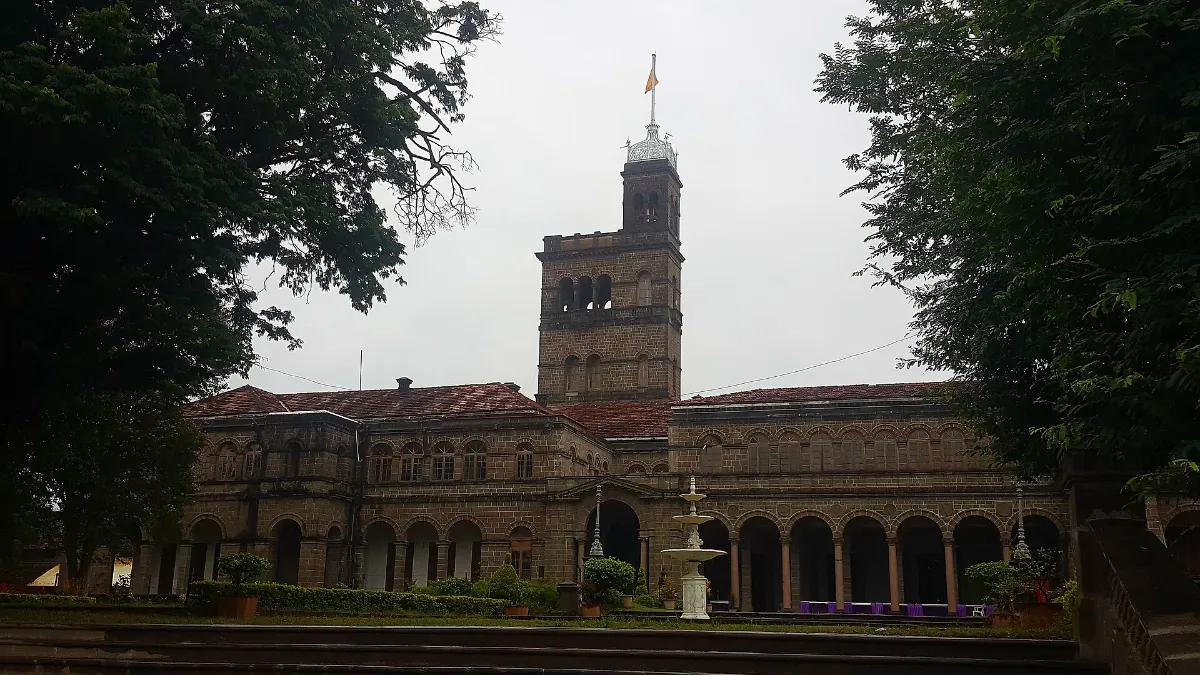
For families, Pune offers state board, CBSE, ICSE and international schools. Admissions for many schools open months before the academic year, so start early. For higher education, the city is home to Savitribai Phule Pune University and a long list of colleges and institutes, which is why it is often called the Oxford of the East.
Language and culture
Marathi is the language of the city and the state, and learning a few words goes a long way with neighbours, shopkeepers and autorickshaw drivers. Hindi and English are widely understood, especially in IT areas.
Pune takes its festivals seriously. Ganeshotsav, Diwali, Gudi Padwa and Shiv Jayanti are big public events, and the cultural calendar includes classical music at the Sawai Gandharva Bhimsen Mahotsav, theatre at Balgandharva Rangmandir and book fairs. Our guide to Pune’s Peths and Pune food guide are good starting points for getting to know the city.
What to budget for
Rents and prices in Pune vary widely by area and change every year, so treat any figure you see online as a rough guide. When planning your monthly budget, account for:
- Rent and deposit: Usually the biggest cost. Western suburbs near IT parks and upscale areas such as Koregaon Park and Kalyani Nagar cost more; PCMC suburbs and the outer edges cost less for the same space.
- Society maintenance: Gated societies charge monthly maintenance, which may or may not be included in rent. Ask before signing.
- Utilities: Electricity bills rise sharply in April and May with air conditioning. Piped gas is usually cheaper than cylinders.
- Water tankers: In some suburbs, especially in summer, residents share the cost of tankers.
- Commute: A Metro or bus pass can be far cheaper than daily cab rides on long routes such as Hinjewadi or Kharadi.
- Domestic help: Many households employ part-time help for cooking or cleaning; rates depend on the area and the number of tasks.
Emergency and useful numbers
| Service | Number |
|---|---|
| National emergency number (police, fire, ambulance) | 112 |
| Police | 100 |
| Fire brigade | 101 |
| Ambulance | 108 |
| Women’s helpline | 1091 |
| Child helpline | 1098 |
Common mistakes newcomers make
- Choosing a home before checking the commute at peak hour. A 10 km drive can take an hour on some corridors.
- Skipping agreement registration and police verification. It causes trouble later with deposits, address proof and society approvals.
- Ignoring the water situation. Ask neighbours how supply holds up in April and May.
- Underestimating the monsoon. Check whether the building or the access road floods in heavy rain.
- Not learning about ward offices. Civic complaints move faster when you know which PMC or PCMC office handles your area.
A first-month checklist for newcomers
- Register your leave and licence agreement and complete tenant police verification.
- Update your address with your bank and on Aadhaar when you have valid address proof.
- Transfer or confirm your electricity connection and set up a gas connection.
- Get a Metro card or PMPML pass if you will commute by public transport.
- Find your nearest hospital, pharmacy and clinic.
- Learn your ward office: PMC and PCMC ward offices handle local complaints about garbage, water and roads.
- Join your society’s resident group for notices on water, power and maintenance.
- Explore the city: a fort trek, a heritage walk in the Peths and a plate of misal are the traditional welcome.
Frequently asked questions
Which is the best area to live in Pune?
It depends on where you work. Hinjewadi, Wakad and Baner suit people working in the Hinjewadi IT park; Kharadi, Viman Nagar and Hadapsar suit the east side; Kothrud, Aundh and Baner are popular with families wanting settled neighbourhoods.
Is it mandatory to register a rental agreement in Pune?
Yes. In Maharashtra, leave and licence agreements must be registered. This can be done online through the IGR Maharashtra e-registration system, and the landlord should also submit tenant details to the police for verification.
What is the difference between PMC and PCMC?
Pune Municipal Corporation (PMC) governs the core city of Pune, while Pimpri-Chinchwad Municipal Corporation (PCMC) governs the separate city of Pimpri-Chinchwad to the north-west, which includes industrial areas and suburbs such as Wakad and Pimple Saudagar.
When is the monsoon in Pune?
Pune’s monsoon usually runs from June to September. Rainfall is moderate in the city and much heavier in the ghat areas to the west.