Best Time to Visit Pune: Month-by-Month Weather, Festivals, Monsoon Treks and When to Avoid the Heat
When to visit Pune: cool, dry winters from November to February, green monsoon months for treks, festival seasons, and why April and May are the hardest months.

Collage: Puneri Pages (CC BY-SA 4.0). Photos via Wikimedia Commons: Bagdane Kailas / CC BY-SA 4.0; Priyanka0057 / CC BY-SA 4.0; Vis M / CC BY-SA 4.0; Suraj.patekar / CC BY-SA 3.0; DesiBoy101 / CC BY 4.0; Nikhil More / CC BY-SA 4.0; DesiBoy101 / CC BY 4.0
Last updated: 15 November 2026 · 6 min read · By Rahul Sharma
The best time to visit Pune is from November to February, when days are sunny and mild and nights are cool. If you want green hills, waterfalls and fort treks, come in the monsoon, July to September, and plan around the rain. April and May are the months to avoid unless you have to travel; afternoons regularly cross 37°C.
The table below uses India Meteorological Department averages for 1991 to 2020, as listed in Pune’s climate record. Actual weather in any year can differ, sometimes sharply.
Pune weather by month at a glance
| Month | Average high | Average low | Rain | Verdict |
|---|---|---|---|---|
| January | 30°C | 11°C | Almost none | Best for sightseeing |
| February | 32°C | 13°C | Almost none | Very good |
| March | 36°C | 16°C | Rare | Warm afternoons |
| April | 38°C | 20°C | Thunderstorms possible | Hot |
| May | 37°C | 23°C | Pre-monsoon showers | Hot and humid |
| June | 32°C | 23°C | Monsoon arrives | Mixed |
| July | 28°C | 22°C | Wettest month | Treks, waterfalls |
| August | 28°C | 22°C | Heavy | Green, cool |
| September | 30°C | 21°C | Heavy to moderate | Ganeshotsav often falls here |
| October | 32°C | 19°C | Retreating rain | Pleasant by month end |
| November | 31°C | 15°C | Light | Very good |
| December | 30°C | 12°C | Almost none | Best, with festivals |
Winter, November to February: the easiest months
Winter is when Pune is at its most comfortable. Mornings start at 11 to 15°C on average, and the afternoon high stays around 30°C. Skies are mostly clear and there is almost no rain, which makes this the season for walking through the old city, the forts and the peths.
Cold snaps do happen. Pune’s lowest recorded temperature is 1.7°C in January, and suburbs such as Pashan and NDA often feel colder than Shivajinagar. Pack a light jacket for early mornings and evenings. Our guides to Pune in November and Pune weather in December go month by month.
Winter is also the city’s cultural season. The Pune Book Festival runs from 12 to 20 December 2026, and the Sawai Gandharva Bhimsen Mahotsav of Hindustani classical music is from 13 to 17 January 2027 at Fergusson College. See our Sawai Gandharva page for passes and artists as they are announced.
Summer, March to May: when to avoid Pune
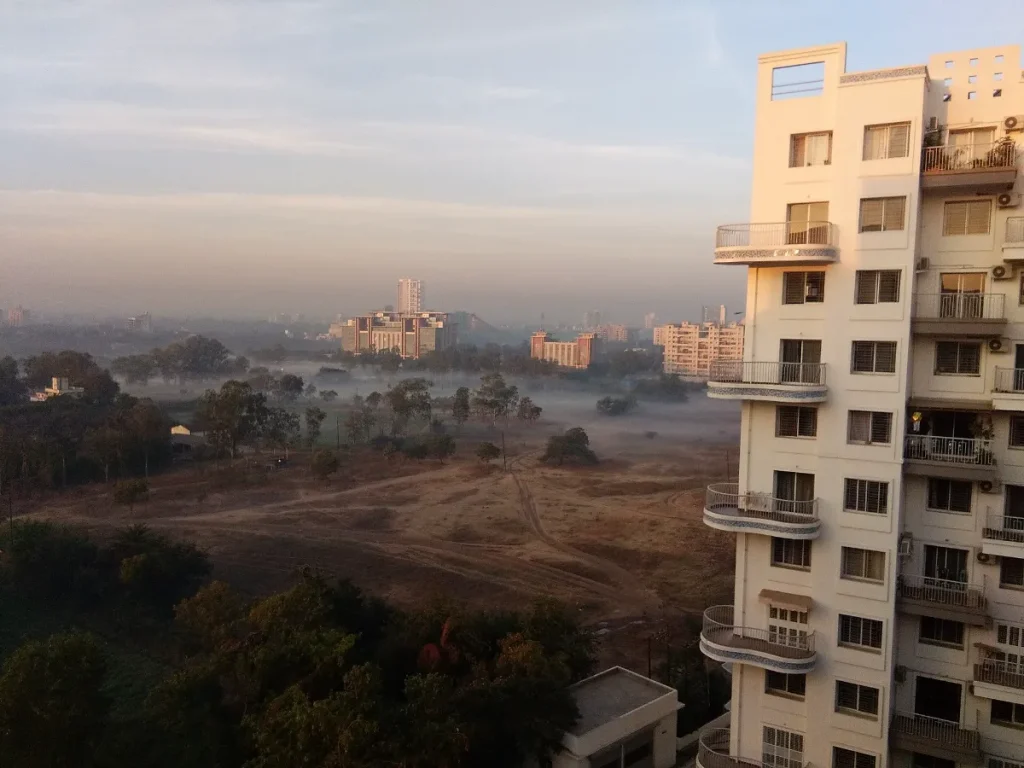
From mid-March the heat builds quickly. April’s average high is about 38°C and May’s is about 37°C, with warmer nights and dusty afternoon winds. Evening thunderstorms in late April and May give short relief but can bring hail and fallen trees.
If you must travel in summer, plan outdoor sightseeing before 10 am and after 5 pm. Spend the afternoons in museums, malls or a long Maharashtrian lunch. Carry water, a cap and sunscreen, and keep an eye on the Pune air quality page on hazy days.
Monsoon, June to September: green, wet and best for treks
The monsoon usually reaches Pune in June and stays until late September or early October. July is normally the wettest month with about 190 mm of rain in the city, but the hills to the west, around Lonavala, Mulshi and Tamhini, get many times more.
Rainfall swings a lot from year to year. In July 2026 Shivajinagar recorded 508.9 mm, its wettest July in IMD records, beating 508.5 mm set in 1907, The Bridge Chronicle reported. Two months later, September brought very little rain.
The monsoon is the season for fort treks and waterfalls, but take it seriously:
- Check IMD alerts and district orders before heading to ghats; tourist spots are sometimes closed after heavy rain.
- Avoid slippery fort edges and fast-flowing streams.
- Expect traffic jams on weekends at Sinhagad, Lonavala and Mulshi.
Our forts near Pune trekking guide lists the easier and tougher climbs.

Festival seasons worth planning around
Pune’s festivals are reason enough to visit, as long as you are ready for crowds:
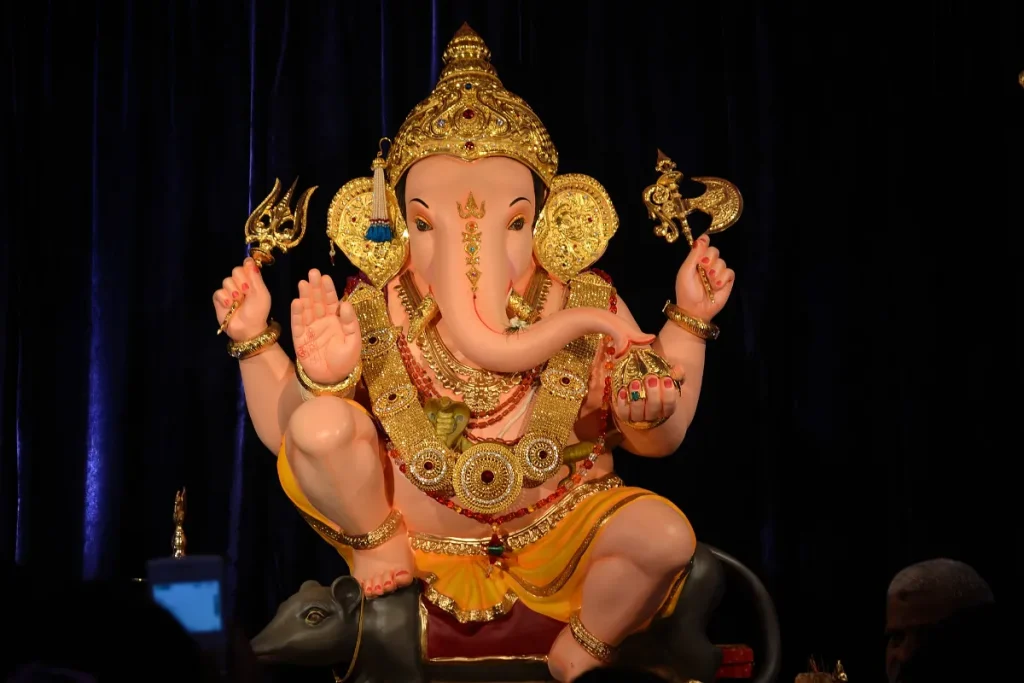
- Ganeshotsav (August or September): ten days of pandals, music and processions, with the five manache Ganpati at the centre. Read our Ganeshotsav guide before you go.
- Palkhi (June or July): the palkhis of Sant Dnyaneshwar and Sant Tukaram pass through Pune on their way to Pandharpur, with lakhs of warkaris.
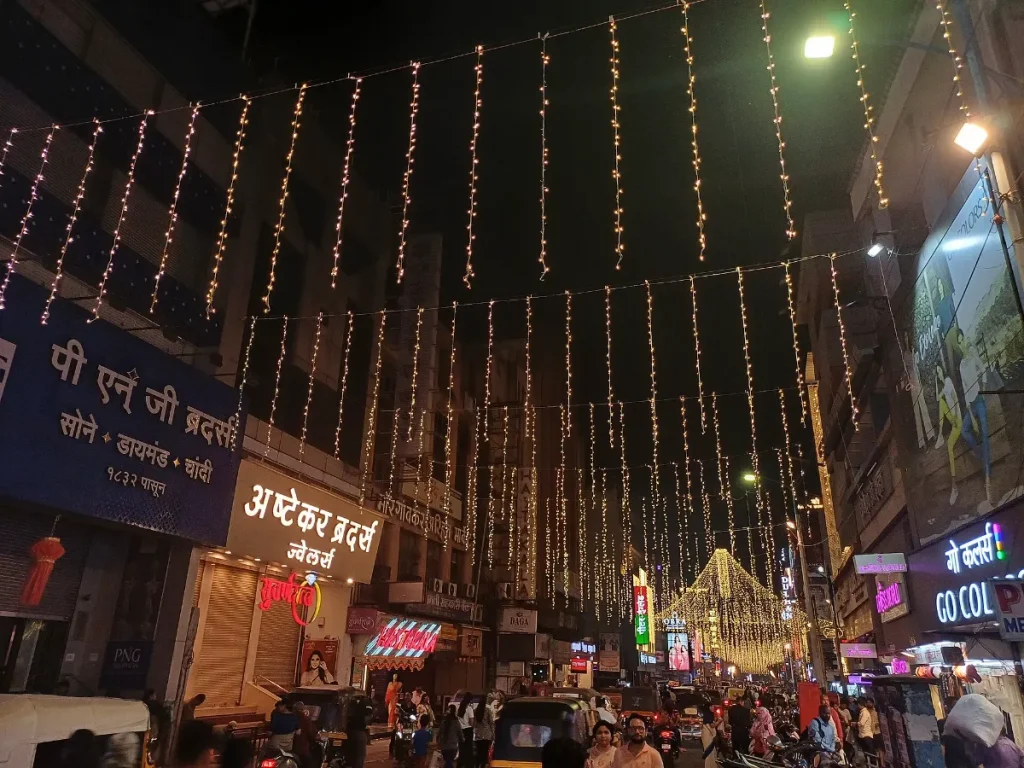
- Diwali (October or November): lights on Laxmi Road, early-morning Diwali Pahat concerts and faral at every home.
- December and January: book festivals, theatre and the Sawai Gandharva music festival.
Hotel rates go up and roads in the old city close during the big festival days. Book early and use the metro or walk where you can.
Best time for different kinds of trips
| Trip | Best months | Why |
|---|---|---|
| City sightseeing and heritage walks | November to February | Mild days, dry weather |
| Fort treks and waterfalls | July to September | Green hills, flowing streams |
| Birdwatching near Pune | December to March | Winter migrants at wetlands |
| Festivals | August to November, December to January | Ganeshotsav, Diwali, music season |
| Budget travel | June to August (weekdays) | Fewer tourists in the city |
For birdwatchers, the winter months are when flamingos and ducks gather at the Ujani backwaters; see our Bhigwan bird sanctuary guide.
October: the month that changes halfway
October is a transition month. The first half often still brings evening thunderstorms as the monsoon withdraws, and the city averages about 105 mm of rain in October. By the end of the month, humidity drops, skies clear and mornings start to cool.
If your dates are flexible, aim for the last week of October or later. That is also when Diwali preparations fill the markets, which is a sight in itself.
Weekends, holidays and crowds
Pune is a large working city, so the calendar affects you more than the weather does on some days:
- Weekends: forts, Lonavala and Mulshi get very crowded, especially in the monsoon. Go on a weekday if you can.
- Long weekends and school holidays: highways out of the city jam on Friday evening and Sunday evening. The Mumbai expressway and the Satara road are the worst.
- Festival days: the old city’s peths close to traffic during Ganeshotsav immersion and on some Diwali evenings. Walk or take the metro.
Rainy-day and hot-day ideas inside the city
When the weather does not cooperate, Pune still has plenty to do indoors. Spend a few hours in the city’s museums, catch a Marathi play, browse the bookshops on Appa Balwant Chowk, or try the city’s food trail of misal, bun maska and mastani. See our museums in Pune guide and Pune food guide.
How many days do you need in Pune?
Two days cover the main sights in the old city and around Camp: Shaniwar Wada, Kasba Ganpati, Dagdusheth, Parvati, Aga Khan Palace and the Raja Dinkar Kelkar Museum. Add a third day for a fort such as Sinhagad, or for a day trip to Lonavala.
If you have only one day, follow our route for places to visit in Pune in one day.
What to pack for each season
- Winter: a light jacket or sweater for mornings, sunglasses for the afternoon sun.
- Summer: cotton clothes, a cap, sunscreen and a refillable water bottle.
- Monsoon: a good umbrella or raincoat, quick-dry clothes, shoes with grip and plastic pouches for phones.
Frequently asked questions
Which is the best month to visit Pune?
December and January are usually the most pleasant, with clear skies, average lows of about 11 to 12°C and highs near 30°C.
Is Pune good to visit in the monsoon?
Yes, if you want green hills, forts and waterfalls. July is usually the wettest month, so check IMD alerts and avoid risky treks after heavy rain.
Which months are the hottest in Pune?
April and May, when average afternoon highs are 37 to 38°C and some days go above 40°C.
When is Ganeshotsav in Pune?
It falls in August or September each year, depending on the Hindu calendar, and lasts ten days.