
Pune Weather by Month: Temperature, Rainfall, Seasons and the Best Time to Visit, With a Month-by-Month Guide
Pune weather by month: average highs, lows and rainfall for every month, what each season feels like, what to pack, and the best time of year to visit Pune.
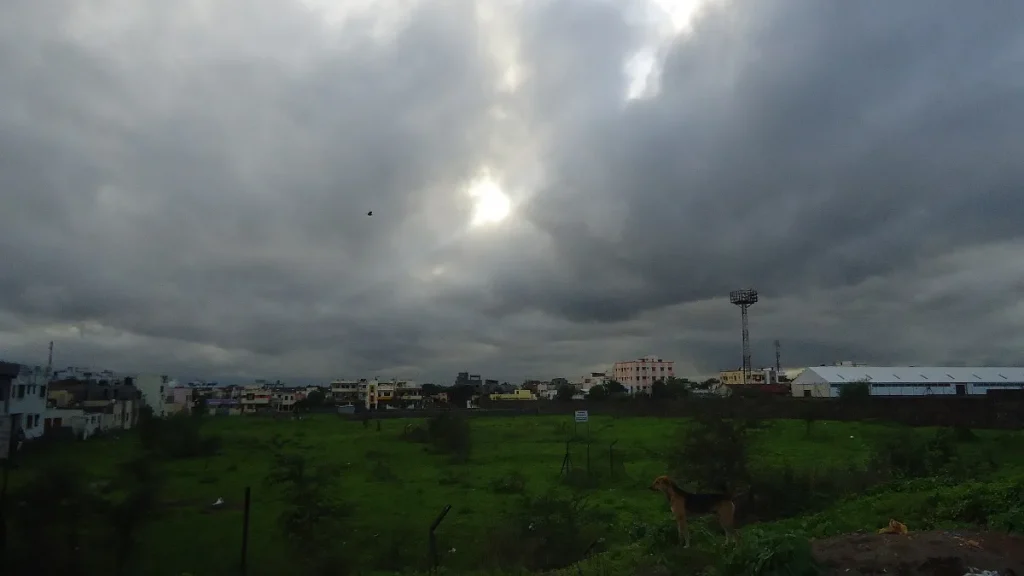
Photo: Free4freedom / CC BY-SA 3.0, via Wikimedia Commons
Last updated: 15 November 2026 · 8 min read · By Rahul Sharma
Pune’s weather is one of the reasons people move here. Sitting on the Deccan plateau at about 560 metres above sea level, the city escapes the humidity of Mumbai and the extreme heat of the plains. Summers are hot but nights cool down, the monsoon is green and steady, and winter mornings can be properly cold.
Quick answer: the best time to visit Pune is October to February, when days are warm and dry and nights are cool. July and August are the wettest months, and April and May are the hottest.
Pune weather by month: the numbers
These are long-term averages for 1991 to 2020, based on India Meteorological Department (IMD) data. Individual years can be warmer, colder or wetter.
| Month | Average high (°C) | Average low (°C) | Average rainfall (mm) | Rainy days |
|---|---|---|---|---|
| January | 29.8 | 11.2 | 1 | 0 |
| February | 32.2 | 12.7 | 0 | 0 |
| March | 35.6 | 16.0 | 3 | 0 |
| April | 37.9 | 19.9 | 7 | 1 |
| May | 37.3 | 22.9 | 20 | 1 |
| June | 32.0 | 23.1 | 184 | 9 |
| July | 28.3 | 22.4 | 190 | 13 |
| August | 27.8 | 21.7 | 156 | 11 |
| September | 29.5 | 21.0 | 140 | 8 |
| October | 31.5 | 19.0 | 105 | 6 |
| November | 30.7 | 15.1 | 28 | 2 |
| December | 29.5 | 11.8 | 7 | 0 |
| Year | 31.9 | 18.1 | 841 | 51 |
Rainy days are days with at least 2.5 mm of rain, rounded to the nearest whole number.
The three seasons
Winter: November to February
Winter is Pune’s most pleasant season. Days are dry and sunny with highs around 29°C to 32°C, and nights drop to 11°C to 15°C on average. On the coldest January mornings, parts of the city can fall into single digits; the all-time record low is 1.7°C.
Winter is also the season of smog on still mornings, especially around Diwali and in January, when cool air traps dust and vehicle pollution near the ground. Check the Pune AQI today page before an early run.
Summer: March to early June
Temperatures rise quickly from March. April and May are the hottest months, with average highs of about 37°C to 38°C and occasional days above 40°C. The city’s highest recorded temperature, 44.4°C, was measured at Koregaon Park on 11 May 2023.
Even in summer, nights are cooler than in most Indian cities, and evening thunderstorms in May bring short relief.
Monsoon: June to September, with rain into October
The south-west monsoon usually reaches Pune in early to mid-June. July is the wettest month, with about 190 mm of rain on average, followed by June, August and September. Unlike Mumbai, Pune rarely gets very heavy rain for days at a stretch in the city itself; the heaviest falls are in the ghats to the west, which fill the dams that supply the city.
October is a transition month: humid afternoons, the occasional heavy thunderstorm, and then the start of the dry season.
Month-by-month: what it feels like and what to pack
- January: coldest nights of the year. Pack a jacket or sweater for mornings and evenings.
- February: warm days, cool nights, clear skies. Ideal for sightseeing and fort treks.
- March: getting hot by midday. Light cotton clothes, sunglasses and water.
- April: hot and dry. Plan outdoor visits for early morning or after 5 pm.
- May: hottest month, with pre-monsoon thunderstorms in the second half.
- June: monsoon arrives. Carry an umbrella and expect slow traffic on rain days.
- July: wettest month; the ghats and waterfalls around Pune are at their best.
- August: steady rain, green hills, festival season begins.
- September: rain eases; Ganeshotsav usually falls in late August or September.
- October: humid with occasional thunderstorms; Navratri and Dussehra.
- November: cooler nights, festive season, dry and pleasant.
- December: cool and dry; the start of the cultural festival season.
Best time to visit Pune
October to February is best for most visitors: comfortable weather, clear skies and the city’s biggest cultural events, including the Pune Book Festival in December and the Sawai Gandharva Bhimsen Mahotsav in January.
July to September suits travellers who want the monsoon: waterfalls, misty forts and green hill stations. Read our hill stations near Pune guide and forts near Pune guide for monsoon trips, and check safety advisories before trekking.
April and May are the least comfortable months for sightseeing, though hotels are often cheaper.
Where to check the forecast
- IMD: the India Meteorological Department’s Pune office issues city forecasts and district alerts (yellow, orange and red) during heavy rain or heat waves.
- Mausam app: IMD’s official app and Mausam website show forecasts and warnings for your location.
- Our weather section: we publish local weather updates and dam storage reports in our Pune weather section.
Different parts of Pune can differ by 2°C to 3°C on the same night. Low-lying and open areas on the outskirts tend to be colder than the dense old city.
Frequently asked questions
What is the best month to visit Pune?
November to February is the best time, with dry, sunny days and cool nights. December and January are coolest.
Which is the hottest month in Pune?
April and May are the hottest months, with average highs around 37°C to 38°C. The record of 44.4°C was set on 11 May 2023.
How much rain does Pune get in a year?
Pune gets about 840 mm of rain in an average year, most of it between June and September, with July the wettest month.
Does Pune get cold in winter?
Yes. Average lows in December and January are around 11°C to 12°C, and the coldest mornings can drop into single digits.