Maharashtra Rabi Sowing at Just 8% by Mid-November: Jowar, Harbhara Lag as Drought Hits Pune, Solapur Belts
Rabi sowing in Maharashtra covered only 4.59 lakh hectares, about 8% of the normal area, by mid-November. Pune district jowar sowing stands near 9%.
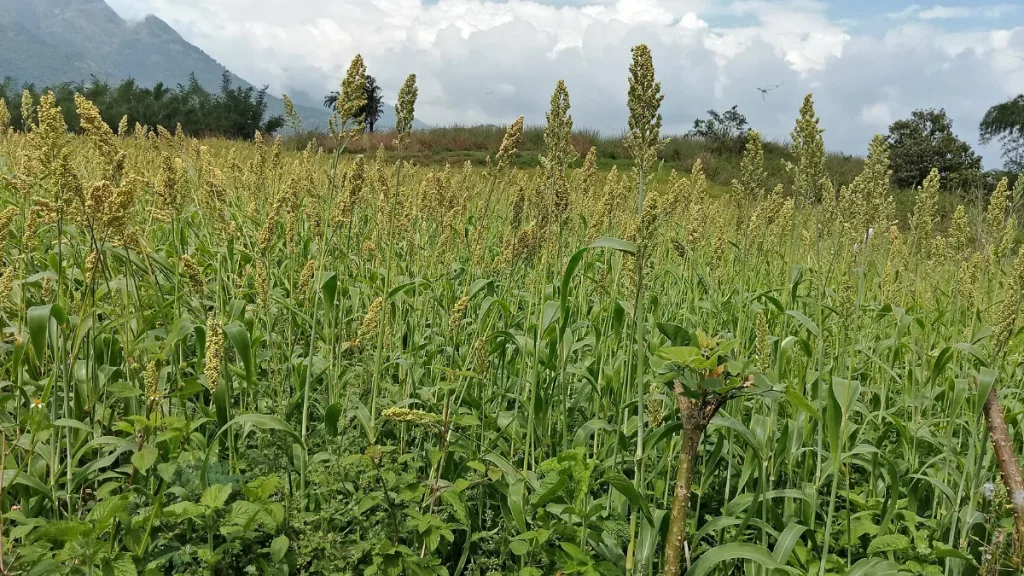
Photo: Sureshpadmanabha / CC BY-SA 4.0, via Wikimedia Commons
Pune, 22nd November 2026: Rabi sowing in Maharashtra had covered only 4.59 lakh hectares, about 8% of the normal area, by the middle of November, according to Agriculture Department figures reported by Agrowon. Jowar and harbhara (gram), the two biggest winter crops, are far behind.
The normal rabi area in the state is 57.80 lakh hectares. Farmers in the jowar and harbhara belts of Pune, Solapur, Ahilyanagar and Marathwada say there is too little soil moisture and water to sow, after a weak monsoon and failed kharif crops.
How far behind are jowar and harbhara?
The figures published on 12 and 13 November by Agrowon show:
- Jowar: 2.04 lakh hectares sown against a normal 14.96 lakh hectares, about 14%.
- Harbhara (gram): 1.79 lakh hectares against a normal 25.17 lakh hectares, about 7%.
- Maize: 49,314 hectares against nearly 3.75 lakh hectares, about 13%.
Harbhara is the largest rabi crop by area, so the slow start pulls the overall figure down sharply. Wheat sowing figures were not broken out in the report.
Pune district: jowar at about 9%
In Pune district, jowar had been sown on 8,226 hectares against a normal 88,337 hectares, roughly 9%. Jowar is grown mainly in the eastern talukas such as Daund, Indapur, Baramati and Shirur, where rabi crops depend on stored soil moisture and canal water.
Other districts in the jowar belt are also behind. Beed reported 38,342 hectares, Ahilyanagar 30,513 hectares and Solapur 29,992 hectares, each a fraction of their normal area. Satara reported 15,291 hectares against a normal of 1.24 lakh hectares.
Why farmers are not sowing
The report links the slow pace to drought conditions and the poor kharif season, which has left many farmers with little money for seed and fertiliser. Last year, late rain pushed sowing into December and the jowar area eventually reached 13.89 lakh hectares. This year the report does not expect a similar late jump.
Water storage is also lower. The four dams of the Khadakwasla chain held 23.51 TMC (80.65%) on 2 November, compared with 28.40 TMC a year earlier, Pune Pulse reported. Across the Pune revenue region, dams were 77.81% full against 92.81% on the same date last year.
Jowar for fodder, not grain
Many farmers are sowing jowar mainly as fodder, hoping even a small crop will feed their cattle through summer, the Agrowon report said. The district administration has urged that fodder crops get priority wherever water is available.
For livestock owners in eastern Pune district, this matters as much as grain. Fodder prices usually rise in drought years, and dairy farmers in Baramati, Daund and Indapur depend on jowar kadba (dry stalks).
What farmers can still do
- Late-sown varieties: For wheat, agricultural universities recommend late-sown varieties for December sowing. Our guide to wheat varieties for Maharashtra lists the options.
- Crop insurance: Check the deadline for rabi crop insurance under PMFBY with your bank or CSC centre.
- Drought relief: Talukas declared under drought get relief measures; see our report on Pune district drought talukas.
- Soil test first: A soil test helps avoid wasting fertiliser in a low-moisture year. Here is how to get a soil health card in Pune.
What is still not known
The Agriculture Department has not yet published a final sowing estimate for the season. Sowing of late wheat and harbhara can continue into December where water is available, so the figures will rise. We will update this story when new district data is released.
Frequently asked questions
How much rabi sowing has been done in Maharashtra in 2026?
By mid-November, 4.59 lakh hectares had been sown, about 8% of the normal 57.80 lakh hectares, according to Agriculture Department figures reported by Agrowon.
Which rabi crop is most behind?
Harbhara (gram) is the furthest behind at about 7% of its normal area, followed by maize at 13% and jowar at about 14%.
How much jowar is sown in Pune district?
Pune district had 8,226 hectares of jowar against a normal 88,337 hectares, roughly 9%, with most of it in the eastern talukas.
Can wheat still be sown in December?
Yes, if irrigation is available. Agricultural universities recommend late-sown wheat varieties for the first half of December.