Alandi and Dehu From Pune: Dnyaneshwar Samadhi, Tukaram Temple, Gatha Mandir, How to Reach and Kartiki Yatra Dates
Plan a half-day pilgrimage from Pune to Alandi and Dehu: the samadhi and temples on the Indrayani, how to reach by bus or car, and the Kartiki yatra on 4 to 6 December 2026.

Collage: Puneri Pages (CC BY-SA 4.0). Photos via Wikimedia Commons: Universalashic / CC BY-SA 3.0; Ketaki Pole / CC BY-SA 3.0; Thehemantpatil / CC BY-SA 4.0; Shrads1984 / CC BY-SA 3.0; Ashu905 / CC BY-SA 4.0; Ananddeshpande123 / CC BY-SA 3.0; Pratishkhedekar / CC BY-SA 4.0
Last updated: 17 November 2026 · 6 min read · By Prashant Chaudhari
Alandi and Dehu are the two holiest towns of Maharashtra’s warkari tradition, and both sit on the Indrayani river just north of Pune. Alandi holds the samadhi of Sant Dnyaneshwar, the 13th-century poet-saint. Dehu was the home of Sant Tukaram, the 17th-century saint whose abhangas are sung across the state.
Quick answer: you can see both in a half day from Pune. Go to Alandi first, then drive or take a bus west to Dehu. Avoid the Kartiki yatra days at Alandi, Friday 4 December to Sunday 6 December 2026, unless you want to join the crowds of warkaris.
Who were Sant Dnyaneshwar and Sant Tukaram?
Sant Dnyaneshwar (also called Dnyandev or Mauli, “mother”, by devotees) lived in the late 13th century. Born into a family shunned by orthodox society, he and his siblings Nivruttinath, Sopandev and Muktabai became saints revered across Maharashtra. His Dnyaneshwari brought the philosophy of the Gita to ordinary people in Marathi rather than Sanskrit, and his Amrutanubhav is a classic of Marathi devotional writing.
Sant Tukaram lived about three and a half centuries later, in the first half of the 17th century. He was a grocer’s son from Dehu whose abhangas, short devotional poems to Vitthal, speak plainly about faith, honesty and the hypocrisy of ritual. They are still sung at every bhajan and on the wari.
The warkari saying “Dnyandev rachila paya, Tuka zalase kalas” means that Dnyaneshwar laid the foundation of the tradition and Tukaram became its pinnacle.
Alandi: Sant Dnyaneshwar’s samadhi
Alandi is a small town in Khed taluka on the bank of the Indrayani, near the northern edge of Pune. Its centre is the samadhi of Sant Dnyaneshwar, who wrote the Dnyaneshwari, a Marathi commentary on the Bhagavad Gita, and took sanjeevan samadhi here as a young man.
According to Alandi’s history on Wikipedia, a temple was built over the samadhi around 1580 to 1600, and Maratha nobles and the Peshwas added to it later. In the 1820s, Haibatrao Buva Arphalkar started the modern tradition of carrying Dnyaneshwar’s silver padukas (sandals) in a palkhi to Pandharpur during the annual wari.
What to see in Alandi
- The samadhi temple: queue for darshan of the samadhi, with the idols of Vitthal and Rukmini behind it.
- The ajanvriksha tree and the old courtyard inside the temple complex, linked in tradition to the saint.
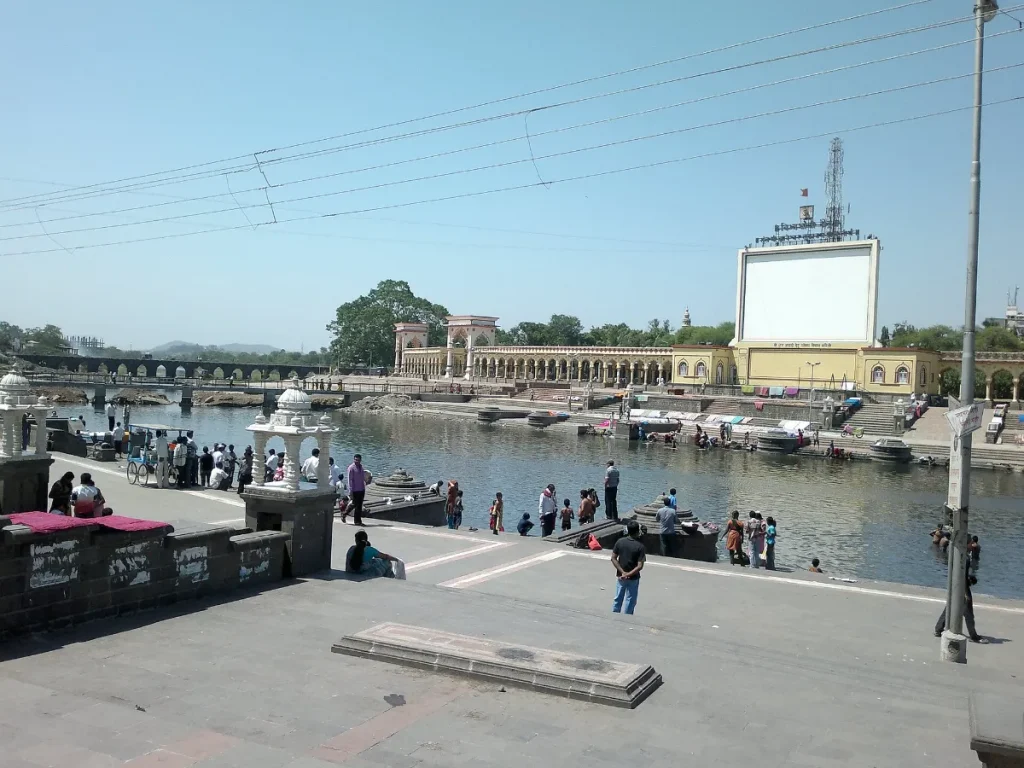
- The Indrayani ghats: many pilgrims take a dip or sprinkle river water before darshan.
- Siddhabet, on the river, associated with the saint’s childhood.
Alandi is also known for weddings, held in its many mangal karyalayas, especially in the marriage season. On popular wedding dates the town’s narrow lanes fill with baraats and cars, so check the calendar before you plan a quiet visit.
A note on the Indrayani river
The Indrayani at Alandi has been frothing with white foam again in November 2026, raising health worries before the yatra, as we reported in our story on the Indrayani foam. Until water test results are public, avoid drinking river water. Families with children and elderly members can sprinkle a little water for the ritual instead of taking a full dip.
Dehu: Sant Tukaram’s town
Dehu, west of Alandi along the same river, was Sant Tukaram’s home. The main temple, with what devotees believe are self-manifested idols of Vitthal and Rakhumai, was built on the riverbank in 1723 by the saint’s younger son Narayanbaba, according to Dehu’s Wikipedia entry. The Tukaram palkhi leaves from Dehu for Pandharpur in the month of Ashadh.
What to see in Dehu
- The Sant Tukaram temple on the Indrayani, the heart of the town.
- The Shila (rock): the stone on which Tukaram is said to have fasted, kept in the temple complex.
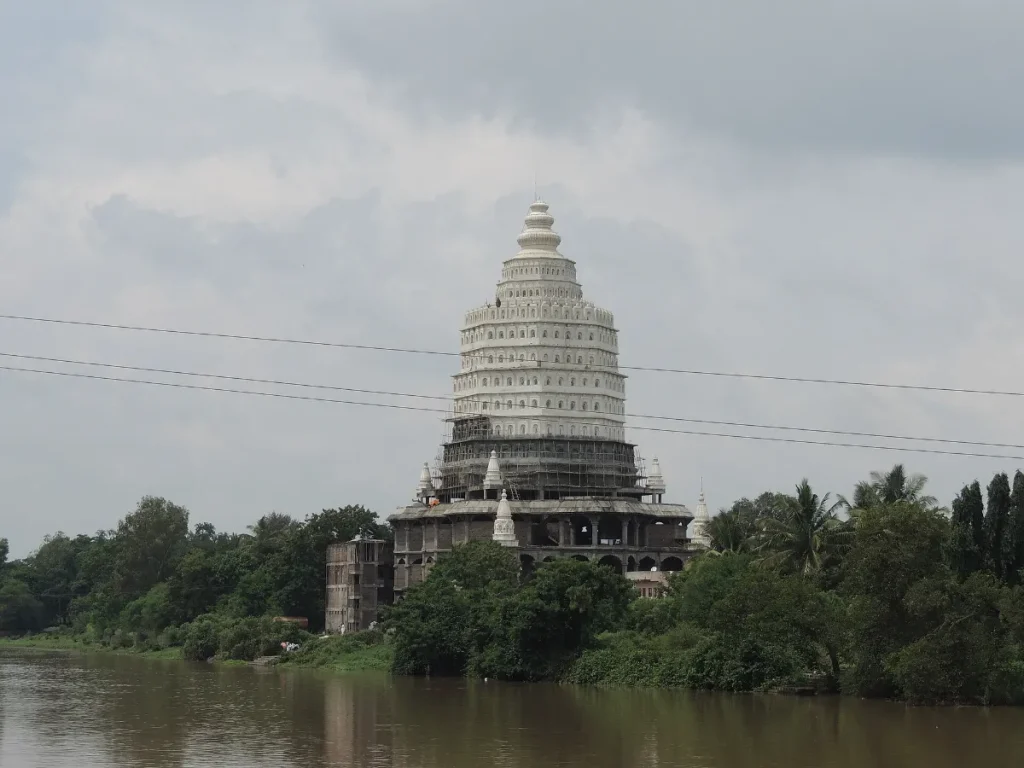
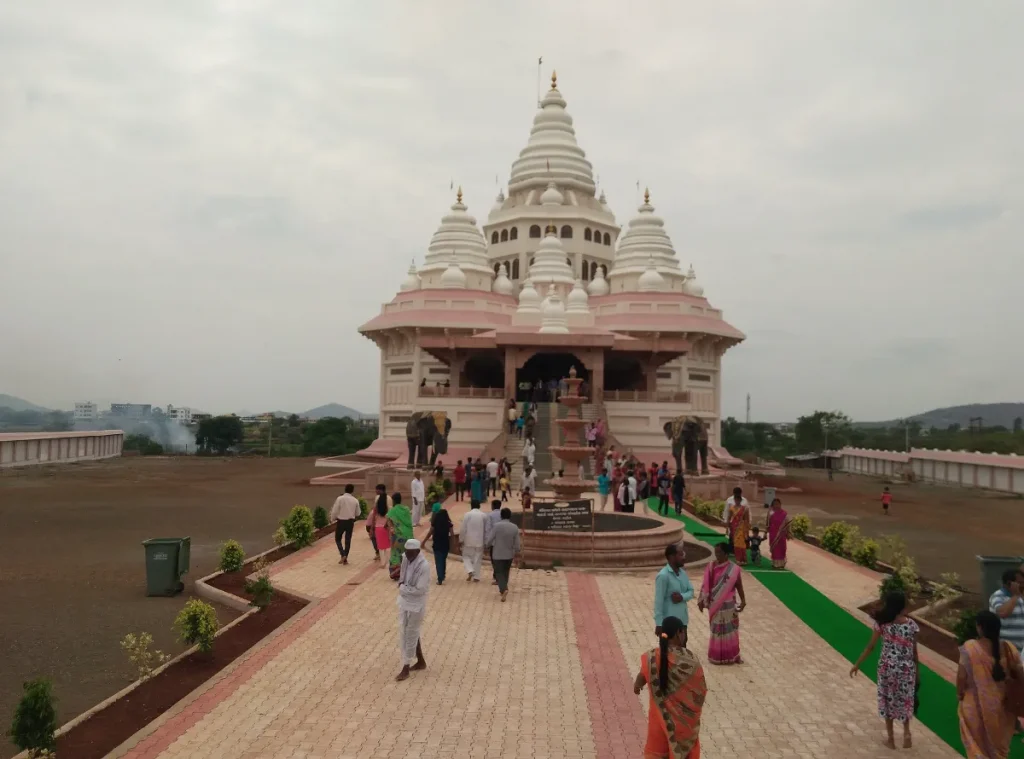
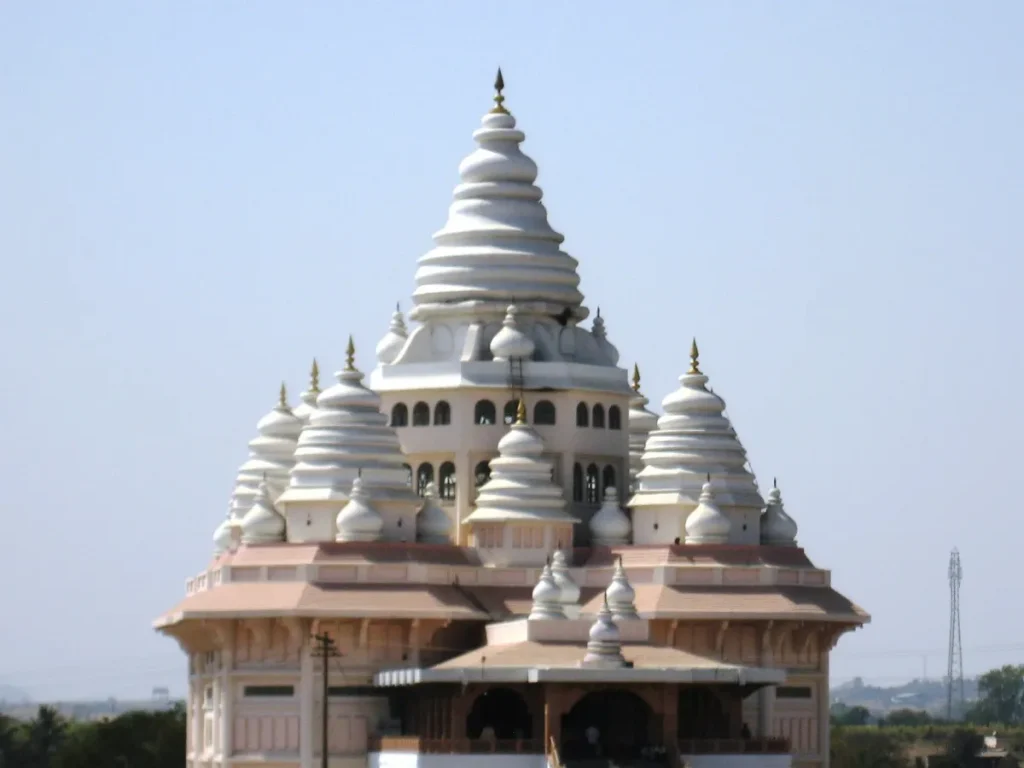
- Gatha Mandir: a large modern temple whose walls carry thousands of the saint’s abhangas carved in stone. It is calm, well kept and good for a quiet hour.
- Bhandara hill: a short drive away, where Tukaram is said to have meditated and composed. The view over the Maval fields is good at sunset.
How to reach Alandi and Dehu from Pune
| From | To Alandi | To Dehu |
|---|---|---|
| Car or two-wheeler | Via Vishrantwadi and Dighi, or via Moshi | Via Nigdi and Dehu Road, or from Alandi via Chakan road |
| PMPML bus | Direct buses from Pune Station, Swargate and Shivajinagar areas | Buses via Nigdi and Dehu Road |
| Train | No station in town | Dehu Road on the Pune-Lonavala local line, then auto |
Alandi is roughly an hour from central Pune by road in normal traffic, and Dehu a little more. Use PMPML’s trip planner or the Chalo app for current routes; our guide to PMPML bus passes explains which pass covers longer trips. If you take the local train, see our Pune to Lonavala local train guide.
Kartiki yatra at Alandi: 2026 dates
Alandi’s biggest annual event is the Kartiki yatra, which marks Sant Dnyaneshwar’s sanjeevan samadhi. It comes about two weeks after Kartiki Ekadashi at Pandharpur, because the samadhi day falls on Krishna Trayodashi of Kartik.
| Event | Date |
|---|---|
| Kartiki Ekadashi at Pandharpur | Friday, 20 November 2026 |
| Alandi Kartiki Ekadashi | Friday, 4 December 2026 |
| Sant Dnyaneshwar Sanjeevan Samadhi day | Sunday, 6 December 2026 |
Lakhs of warkaris come to Alandi for these days. Expect road closures, diversions from Pune and Pimpri-Chinchwad, heavy security and long darshan queues. Read our Kartiki Ekadashi 2026 guide for the full calendar.
The wari: Alandi and Dehu to Pandharpur
Every June or July, the palkhis of Sant Dnyaneshwar from Alandi and Sant Tukaram from Dehu set out for Pandharpur to reach it by Ashadhi Ekadashi. Both palkhis halt in Pune for a day or two, and the city’s roads fill with warkaris singing abhangas. It is one of the largest walking pilgrimages in the world and well worth seeing once.
A simple half-day route
- Leave Pune by 7 am and reach Alandi before the morning rush.
- Darshan at the samadhi temple, then a walk along the ghats.
- Breakfast at one of the eateries near the temple; try sabudana khichdi or poha.
- Drive or take a bus to Dehu by about 10.30 am.
- Darshan at the Sant Tukaram temple, then an hour at the Gatha Mandir.
- Optional: drive up Bhandara hill before heading back to Pune by early afternoon.
On a weekday, this plan avoids the worst queues and gets you home before the afternoon heat.
Tips for a comfortable visit
- Timing: early mornings on weekdays have the shortest queues. Weekends and Ekadashis are crowded.
- Dress: modest clothing; remove footwear before the temple area and keep it at the stands.
- Food: both towns have simple eateries serving Maharashtrian thalis and fasting food on Ekadashi.
- Valuables: keep phones and wallets in front pockets in crowds; pickpocketing rises on yatra days.
- Parking: park outside the old town lanes and walk in.
- Elderly visitors: carry a folding stool or ask temple volunteers about shorter queues for senior citizens.
For more temple trips from Pune, see our guides to the Ashtavinayak yatra and famous temples in Pune.
Frequently asked questions
How far is Alandi from Pune?
Alandi is on the northern edge of Pune, in Khed taluka. It takes roughly an hour by road from central Pune in normal traffic.
Can I visit Alandi and Dehu in one day?
Yes. Both are on the Indrayani river north of Pune, and you can see the main temples in each in a half day if you start early.
When is the Alandi Kartiki yatra in 2026?
Alandi Kartiki Ekadashi falls on Friday, 4 December 2026, and Sant Dnyaneshwar’s Sanjeevan Samadhi day is Sunday, 6 December 2026.
What is Gatha Mandir in Dehu?
It is a temple in Dehu whose walls carry Sant Tukaram’s abhangas carved in stone, built as a memorial to the saint’s poetry.