Lonar Crater Joins IUGS Global Geological Heritage List; India’s Second Site After Mawmluh Cave
Lonar crater lake in Buldhana has been named an IUGS geological heritage site, India’s second. Facts on the meteorite lake and how to plan a trip from Pune.
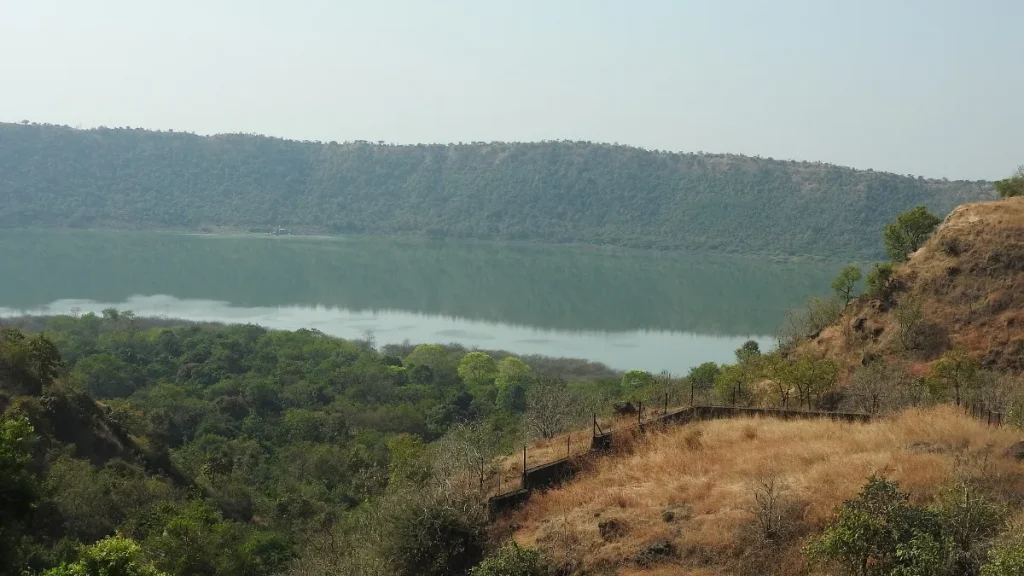
Photo: Dhruva Punde / CC BY-SA 4.0, via Wikimedia Commons
Pune, 17th November 2026: Lonar crater lake in Buldhana district, formed when a meteorite struck the Deccan basalt thousands of years ago, has been included in the International Union of Geological Sciences (IUGS) list of geological heritage sites. It is the second Indian site on the list after Mawmluh Cave in Meghalaya, according to a Free Press Journal report.
The Union Ministry of Mines announced the recognition, which the Geological Survey of India (GSI) worked to secure.
How Lonar made it to the IUGS list
Lonar received preliminary approval at the 82nd IUGS Executive Committee meeting in Bogota, Colombia, in January 2026. Its inclusion in the third set of 100 IUGS Geological Heritage Sites was formally announced at the IUGS Geoheritage Event 2026 in Portugal, the report said.
Mawmluh Cave was part of the first list in 2022. The IUGS lists sites that are key to understanding the Earth’s history, and recognition can help with research funding and protection.
Facts about the Lonar meteorite crater
According to Wikipedia’s summary of published research:
- The crater is about 1.8 km wide and about 150 m deep.
- It sits near Lonar town in Buldhana district, at about 480 m above sea level.
- The lake inside is saline and highly alkaline, with a pH of about 9 to 10.5 and no outflow.
- It is one of very few known impact craters formed in basalt rock.
The age is debated. Older studies put it at about 50,000 years, while a later study suggested a much older age that other scientists dispute. The Free Press Journal report itself quoted two different figures.
Lonar is a Ramsar wetland site and has been a GSI National Geological Monument since 1979. In June 2020, the lake turned pink for a few days, which researchers linked to salt-loving microbes.
What to see at Lonar
Beyond the rim and the lake, the crater area has several old temples. These include the Daitya Sudan temple in the town and the Kamalja Devi temple near the lake, along with partly submerged temples along the shore. The forested slope inside the crater has a walking trail down to the water.
Local geology lecturer Akash Karande called the recognition “a historic milestone for Buldhana, Maharashtra and Indian Earth Sciences”, according to the FPJ report.
Planning a trip from Pune
Lonar is in Vidarbha, so it is a long drive from Pune and best planned as a two-day trip. Most travellers go via Chhatrapati Sambhajinagar and Jalna. Winter, from November to February, is the most comfortable season, since summers in Buldhana are very hot.
Carry water, wear proper shoes for the crater trail, and do not throw anything into the lake. Its chemistry is fragile and is what makes the site special. For other places to see within a weekend, read our weekend getaways near Pune guide.
What is still not known
It is not yet known whether the IUGS listing will bring new visitor facilities, entry rules or a geopark plan for Lonar. We will update this story if the state or GSI announces changes.
Frequently asked questions
Where is Lonar crater?
Lonar crater is near Lonar town in Buldhana district, Maharashtra.
How was Lonar lake formed?
It was formed by a meteorite impact on Deccan basalt rock. The crater later filled with water to form a saline, alkaline lake.
What is the IUGS geological heritage list?
It is a list of the world’s most important geological sites, chosen by the International Union of Geological Sciences. Lonar is India’s second entry after Mawmluh Cave.
How old is Lonar crater?
Estimates differ. Several studies put it at about 50,000 years, while one later study suggested a much older age that is disputed.