Pune to Mumbai: Every Way to Travel Compared, From Deccan Queen and Vande Bharat to Expressway, Shivneri Buses and Cabs
Pune to Mumbai compared: Deccan Queen and other trains, the Expressway and new Missing Link, MSRTC Shivneri buses, cabs and airport routes, with tips for each.
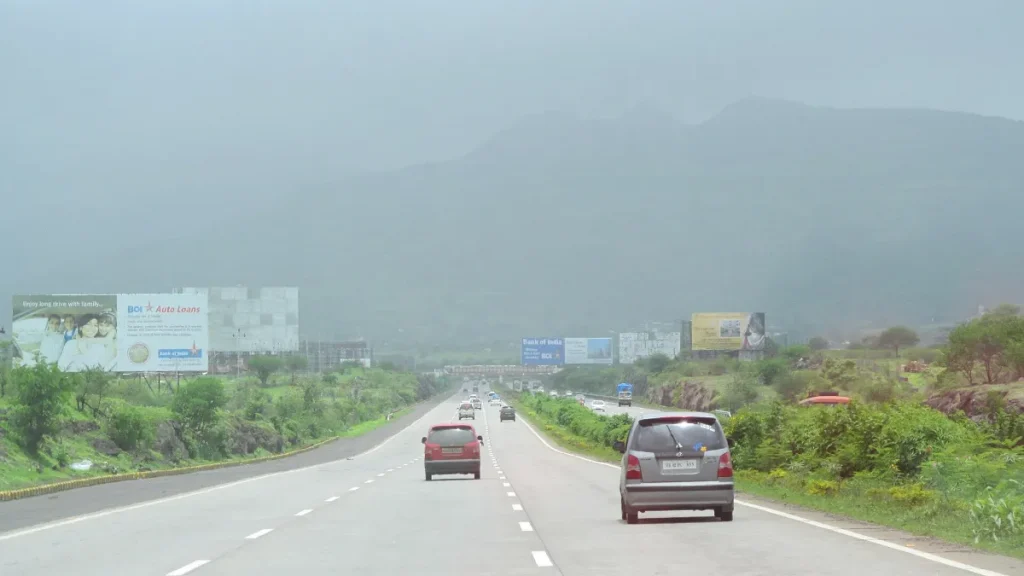
Photo: Nikhil.kawale / CC BY-SA 3.0, via Wikimedia Commons
Pune and Mumbai are only about 150 km apart, and for lakhs of people the trip is routine: students going home for the weekend, professionals with meetings in Bandra Kurla Complex, families visiting relatives, and travellers heading to Mumbai’s airports. Yet the “best” way to travel depends heavily on where exactly you start and end, what time you leave, and how much comfort you want.
This guide compares every practical option, train, car on the Expressway, MSRTC buses, private buses and cabs, and explains the trade-offs. It also covers the new Missing Link on the Expressway, airport travel and tips that regular commuters swear by.
Key takeaways
- By train, the journey takes roughly 3 to 3.5 hours. The Deccan Queen, running since 1930, leaves Pune at 7.15 am and reaches Mumbai CSMT at 10.25 am.
- By road, the Mumbai-Pune Expressway is 94.5 km long. The Missing Link, opened on 1 May 2026, bypasses the Khandala ghat and saves about 25 to 30 minutes when traffic is normal.
- MSRTC Shivneri and e-Shivneri buses run frequently from Swargate, Shivajinagar and other points to Dadar, Thane, Borivali and other Mumbai areas.
- Avoid leaving Pune on Friday evening or returning on Sunday evening and holiday weekends, when the Expressway and toll plazas see long queues.
- Fares and timetables change, so always check Indian Railways, MSRTC or your cab app before travelling.
In this guide
- Quick comparison
- By train: the most predictable option
- By car: the Mumbai-Pune Expressway
- By bus: MSRTC Shivneri and private buses
- By cab: app cabs and outstation taxis
- Getting to Mumbai’s airports from Pune
- Best and worst times to travel
- Safety tips for the Expressway
- Comparing the cost of each option
- Travelling with children, elderly parents or a lot of luggage
- Monsoon travel between Pune and Mumbai
- Which option should you choose?
- Frequently asked questions
Quick comparison
Travel times are typical door-to-door ranges between central Pune and central Mumbai and depend heavily on traffic in both cities.
| Option | Typical time | Comfort | Best for |
|---|---|---|---|
| Train (Deccan Queen, Intercity, Vande Bharat etc.) | 3 to 3.5 hours station to station | High in AC chair car; crowded in general class | South Mumbai, Dadar, Thane; predictable timing |
| Own car via Expressway | 2.5 to 4 hours | High | Families, luggage, flexible timing |
| MSRTC Shivneri / e-Shivneri bus | 3 to 4.5 hours | Good (AC, reclining seats) | Budget travellers, Dadar, Thane, Borivali, airports |
| App cab or outstation taxi | 2.5 to 4 hours | High | Airport runs, late night, groups sharing cost |
| Private sleeper / seater bus | 3.5 to 5 hours | Varies by operator | Late night departures, western suburbs |
By train: the most predictable option
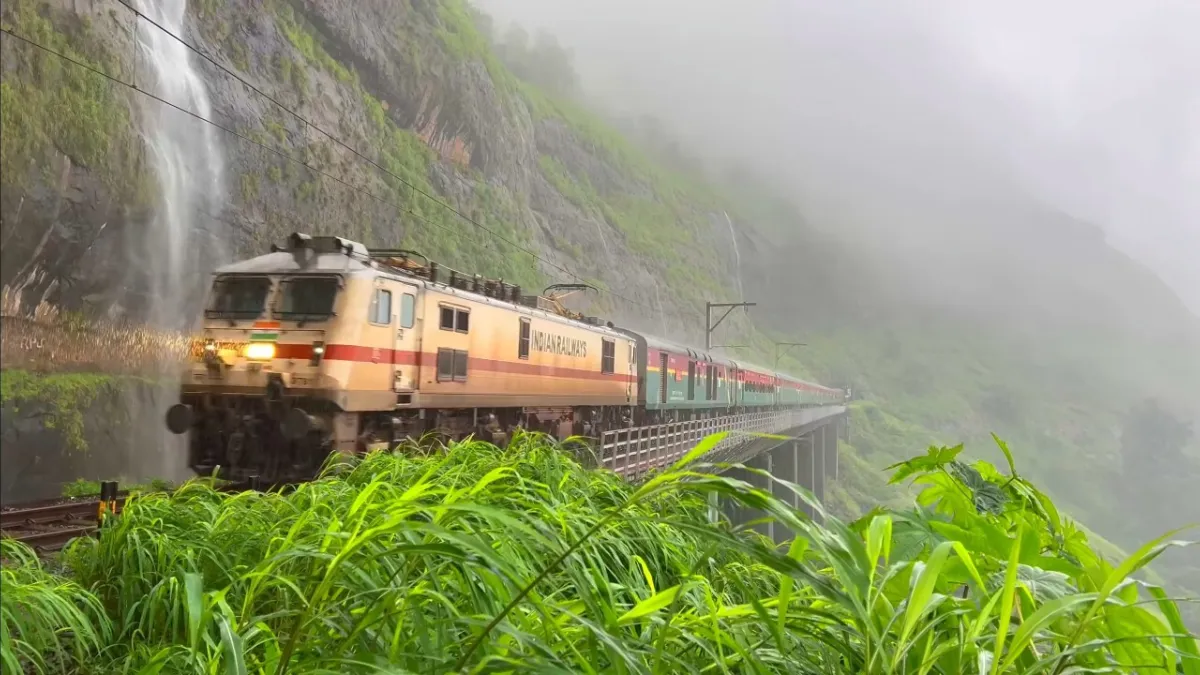
Trains between Pune Junction and Mumbai run on the Central Railway main line through Lonavala, the Bhor ghat and Karjat. Station to station, most fast trains take about 3 to 3.5 hours.
Deccan Queen
The Deccan Queen (12123/12124) is the most famous train on the route and one of the oldest named trains in India. It started on 1 June 1930. The Pune to Mumbai service leaves Pune Junction at 7.15 am and reaches Mumbai CSMT at 10.25 am. The return train leaves CSMT at 5.10 pm and reaches Pune at 8.25 pm. It has a dining car, a feature that has become rare on Indian Railways, and generations of daily passengers have treated it almost as a club.
Other trains on the route
Several daily trains connect the two cities, including the Pragati Express, Indrayani Express, Sinhagad Express, Intercity Express and Deccan Express, plus long-distance trains that stop at both cities. The Mumbai-Solapur Vande Bharat Express also stops at Pune. Timings change, so check the National Train Enquiry System or the IRCTC app for current schedules.
Tips for train travel
- Book AC chair car seats early for Friday evening and Monday morning, when office-goers and students fill the trains.
- Stations matter. Trains end at CSMT or Dadar and stop at Thane, Kalyan and Lonavala. If you are going to Thane or Navi Mumbai, the train may be faster than the bus.
- The ghat section between Lonavala and Karjat is one of the most scenic railway stretches in India, especially in the monsoon. Get a window seat.
By car: the Mumbai-Pune Expressway
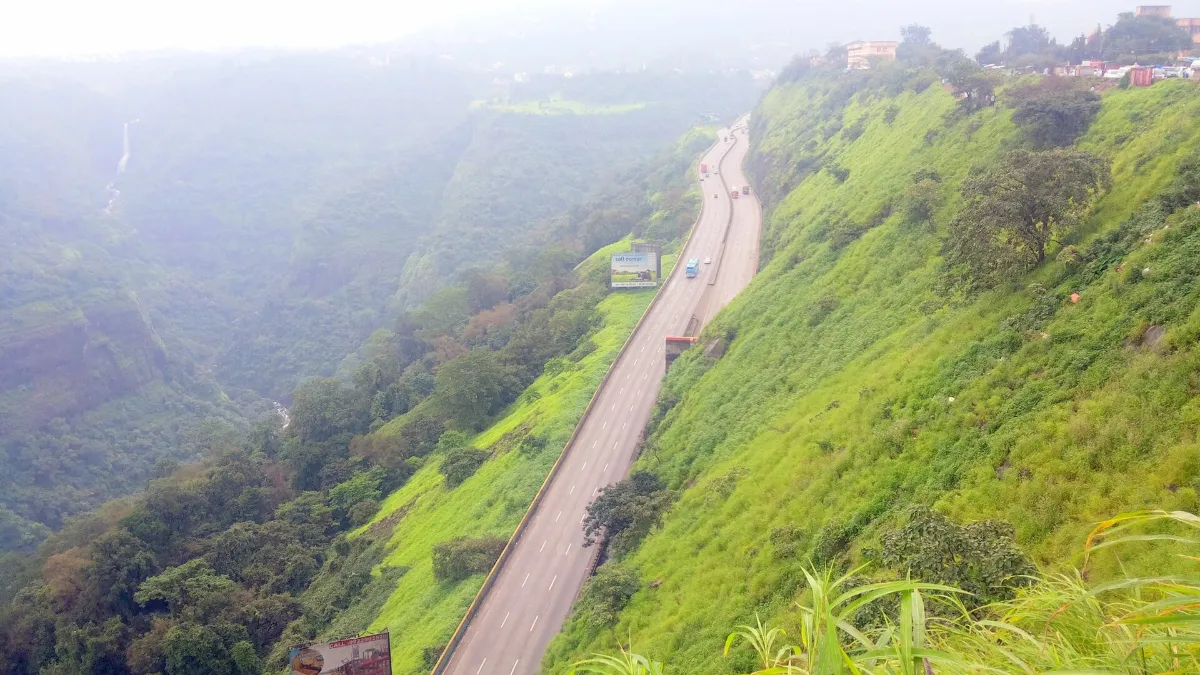
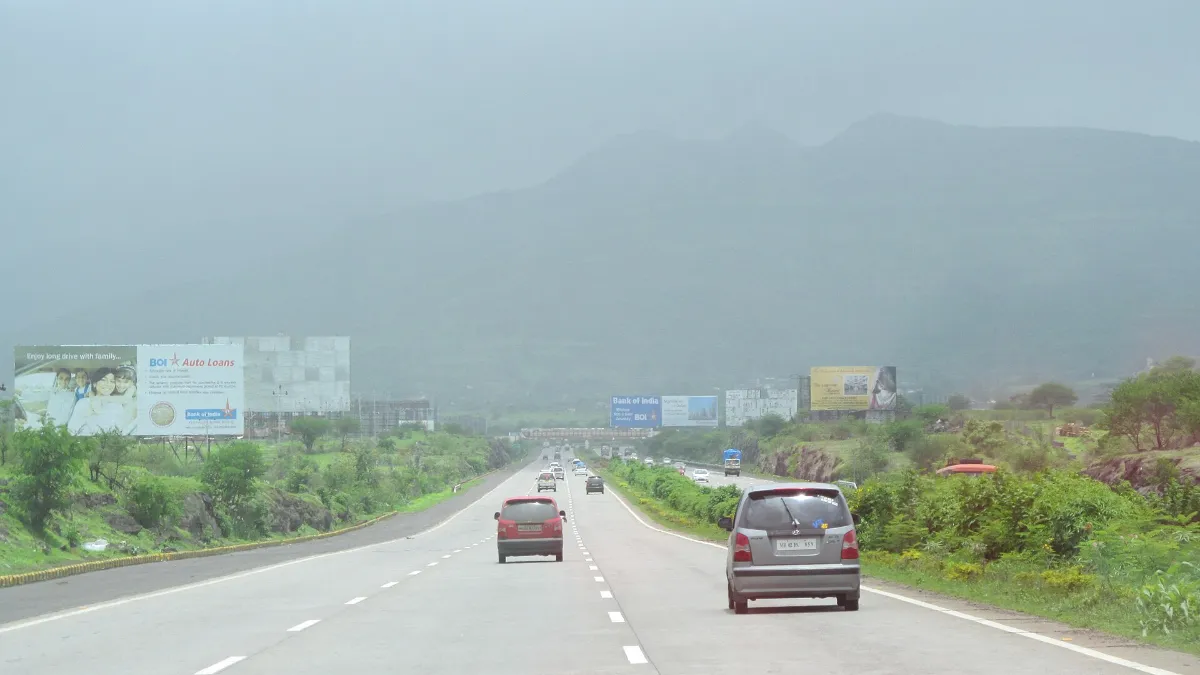
The Mumbai-Pune Expressway, officially the Yashwantrao Chavan Expressway, was India’s first six-lane access-controlled expressway. It opened fully in 2002, runs 94.5 km from Kalamboli in Navi Mumbai to the Kiwale and Ravet area on Pune’s western edge, and is built and operated by the Maharashtra State Road Development Corporation (MSRDC).
Speed limits and rules
The speed limit for cars is 100 km/h on flat stretches and 60 km/h in the ghat section, and it is enforced with cameras. Two-wheelers, three-wheelers, bicycles, pedestrians and tractors are not allowed. Lane discipline is strictly enforced: heavy vehicles must keep to the left lane, and cars should use the right lane only to overtake.
Toll
Toll is collected at Talegaon for Pune to Mumbai traffic and at Khalapur for Mumbai to Pune traffic, and payment is through FASTag. After the 2023 revision, the toll for a car was Rs 320 one way. In April 2026, Deputy Chief Minister Eknath Shinde said there would be no toll increase on the expressway; check the MSRDC website or your FASTag app for the latest rate.
The Missing Link
The biggest change to the drive in two decades came on 1 May 2026, when the Missing Link opened. It is a 13.3 km bypass of the steep, accident-prone Khandala-Lonavala ghat, with two tunnels of about 1.75 km and 8.9 km and a cable-stayed bridge over Tiger Valley. It cuts about 6 km from the route and saves an estimated 25 to 30 minutes in normal traffic. MSRDC said no extra toll would be charged for it.
In the initial phase, only cars and buses were allowed through the long tunnel, with heavy vehicles and vehicles carrying flammable goods kept on the old ghat route. In July 2026, a rain-triggered landslide near the connecting link forced a closure, and traffic was partly restored on two lanes while authorities monitored the site. During the monsoon, check MSRDC or Highway Police updates before you leave.
Where to stop
The food plazas on both carriageways near Khalapur and the Lonavala exit are the usual rest stops. If you have time, exit at Lonavala for chikki, or take the old Mumbai-Pune highway (NH 48) through Khandala for the view, though it is slower and busier.
By bus: MSRTC Shivneri and private buses
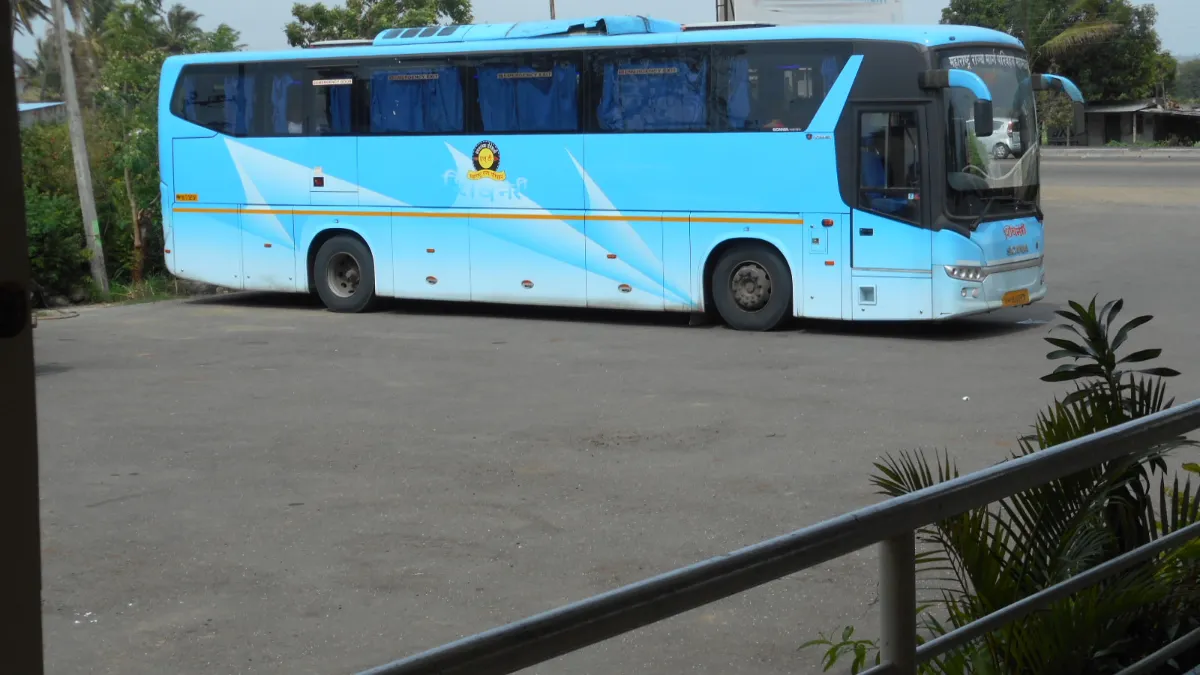
Maharashtra State Road Transport Corporation (MSRTC) runs the Shivneri brand of air-conditioned buses on the route, including electric e-Shivneri buses. Buses leave frequently through the day from Pune’s main points, including Swargate, Shivajinagar (Wakdewadi) and Pune station area, and go to Dadar, Thane, Borivali, Mumbai Central and other destinations. Some services use the Atal Setu (Mumbai Trans Harbour Link) to reach south Mumbai.
Shivneri buses are a good middle option: cheaper than a cab, more flexible than the train, and comfortable for a 3 to 4 hour ride. You can book on the MSRTC website or app, or buy tickets at the bus stand. Fares differ by route and bus type, so check the app.
Private operators also run seater and sleeper buses, mostly from Wakad, Hinjewadi, Swargate and Pune station areas to western suburbs such as Andheri and Borivali. Quality varies a lot, so read reviews and confirm the pickup point.
By cab: app cabs and outstation taxis
App-based outstation cabs and private taxis are popular for airport trips, late-night travel and groups. A one-way cab includes the driver’s return charge in the price and the Expressway toll is usually added to the bill. Sharing a cab with two or three people can bring the cost per person close to a premium bus.
Shared taxis also run from near Pune railway station to Dadar and other points, leaving when full. They are quick but can be cramped.
Getting to Mumbai’s airports from Pune
Many people make the trip only to catch a flight from Mumbai.
- Chhatrapati Shivaji Maharaj International Airport (Santacruz/Sahar): Most travellers take a cab or a bus to Dadar, Andheri or Borivali and then a cab. Allow at least 4 to 5 hours from Pune before your reporting time, more on weekends.
- Navi Mumbai International Airport: Being on the eastern side of Mumbai, it is closer to Pune by road. In October 2026, MSRTC started two daily e-Shivai buses from Swargate to the airport via Wanaz, Chandni Chowk, Balewadi and Wakad, with an adult fare of Rs 445 and a journey time of a little over three hours.
Pune also has its own airport at Lohegaon, so check whether a direct flight from Pune works out cheaper or faster before planning a road trip to Mumbai.
Best and worst times to travel
| When | What to expect |
|---|---|
| Weekday mid-morning or afternoon | Smoothest roads and easier train bookings |
| Friday 4 pm to 10 pm (Pune to Mumbai and Mumbai to Pune) | Heavy traffic at exits and toll plazas, full trains |
| Sunday 3 pm to 11 pm (towards Mumbai) | Long queues near Lonavala and Khalapur; plan to leave early |
| Long weekends and festival holidays | Expect delays of an hour or more; book trains and buses early |
| Monsoon heavy rain alerts | Landslide risk in ghats; check advisories, drive slowly, avoid night driving |
Safety tips for the Expressway
The Expressway is safe when driven sensibly, but it has a history of serious crashes, often caused by speeding, lane cutting, tyre bursts and fatigue.
- Check tyre pressure and condition before leaving. Overheated or worn tyres are a common cause of crashes in summer.
- Do not stop on the shoulder except in an emergency. Use the food plazas.
- Keep left unless overtaking, and never overtake from the left.
- In fog or heavy rain, slow down, switch on low beams and avoid hazard lights while moving.
- Take a break every two hours if you are tired. Sleepy driving is a major risk on night trips.
- In an emergency dial 112. The Highway Police and MSRDC operate help points along the route.
Comparing the cost of each option
Exact fares change often, so we have not listed rupee figures that may go out of date. As a rough guide to how the options compare for one person travelling one way:
| Option | Relative cost | What affects the price |
|---|---|---|
| Train, second class or general | Lowest | Fixed railway fares; general class can be very crowded |
| Train, AC chair car | Low to moderate | Booking class and dynamic charges on some premium trains |
| MSRTC Shivneri / e-Shivneri | Moderate | Route and bus type; concessions for eligible passengers |
| Private bus | Low to moderate | Demand, weekends and festivals |
| App cab or taxi, one way | Highest per person, lower when shared | Car type, time of day, surge pricing, toll and return charges |
| Own car | Fuel plus toll | Vehicle mileage; toll paid through FASTag |
For a family of four, driving or a shared cab often works out cheaper than four AC train or bus tickets, especially with luggage. For a solo traveller, the train or Shivneri is usually the best value.
Travelling with children, elderly parents or a lot of luggage
- Elderly travellers: AC chair car on a fast train is the most comfortable, with toilets on board and a predictable arrival time. Book lower-deck seats and arrange a porter or wheelchair assistance at Pune and CSMT through station staff.
- Young children: A car or cab lets you stop when needed. On trains, choose daytime services and carry snacks, as pantry options vary.
- Heavy luggage: A cab from door to door saves the struggle on local trains and station bridges in Mumbai.
- Pets: Most buses do not allow pets. A private cab that accepts pets, or your own car, is the practical choice.
Monsoon travel between Pune and Mumbai
The ghats between Lonavala and Khopoli get some of the heaviest rainfall in Maharashtra. In July and August, landslides, fog and waterlogging can disrupt both road and rail.
- Railways occasionally cancel or divert trains after landslides on the ghat section. Check the train status on the morning of travel.
- On the road, visibility in the ghat can drop to a few metres in fog. Drive with low beams, keep a safe distance and avoid the left edge near hillsides.
- If an orange or red rain alert is issued for the ghat areas of Pune and Raigad, postpone non-essential travel if you can.
Which option should you choose?
- Going to south Mumbai or Dadar on a weekday? Take the train.
- Travelling with family and luggage? Drive or take a cab, and avoid Friday and Sunday evening peaks.
- On a budget, going to Thane, Dadar or Borivali? MSRTC Shivneri.
- Flying from Navi Mumbai? The e-Shivai bus from Swargate or a cab.
- Going late at night? A cab with a trusted operator, or a private bus with good reviews.
Inside Pune, getting to the station or bus stand is easier on the Metro; see our Pune Metro guide. For longer trips by rail, our coverage of the Bengaluru-Mumbai Vande Bharat sleeper via Pune has timings and fares.
Frequently asked questions
How long does it take to travel from Pune to Mumbai?
By train it takes about 3 to 3.5 hours station to station. By car on the Mumbai-Pune Expressway it usually takes 2.5 to 4 hours depending on traffic in both cities.
What time does the Deccan Queen leave Pune?
The Deccan Queen (12124) leaves Pune Junction at 7.15 am and reaches Mumbai CSMT at 10.25 am. The return train leaves CSMT at 5.10 pm and reaches Pune at 8.25 pm. Check the railway app for any changes.
What is the Missing Link on the Mumbai-Pune Expressway?
The Missing Link is a 13.3 km bypass of the Khandala ghat with two tunnels and a cable-stayed bridge. It opened on 1 May 2026, shortens the route by about 6 km and saves around 25 to 30 minutes in normal traffic.
Are two-wheelers allowed on the Mumbai-Pune Expressway?
No. Two-wheelers, three-wheelers, bicycles, pedestrians and tractors are not allowed on the Expressway. They must use the old Mumbai-Pune highway.