PCMC Harit Setu Project Showcased at UN Climate Conference COP31; Nigdi Residents Still Divided Over Narrower Roads
PCMC presented its Harit Setu green streets project at COP31 in Antalya. Back home in Nigdi Pradhikaran, residents have protested over narrower roads.
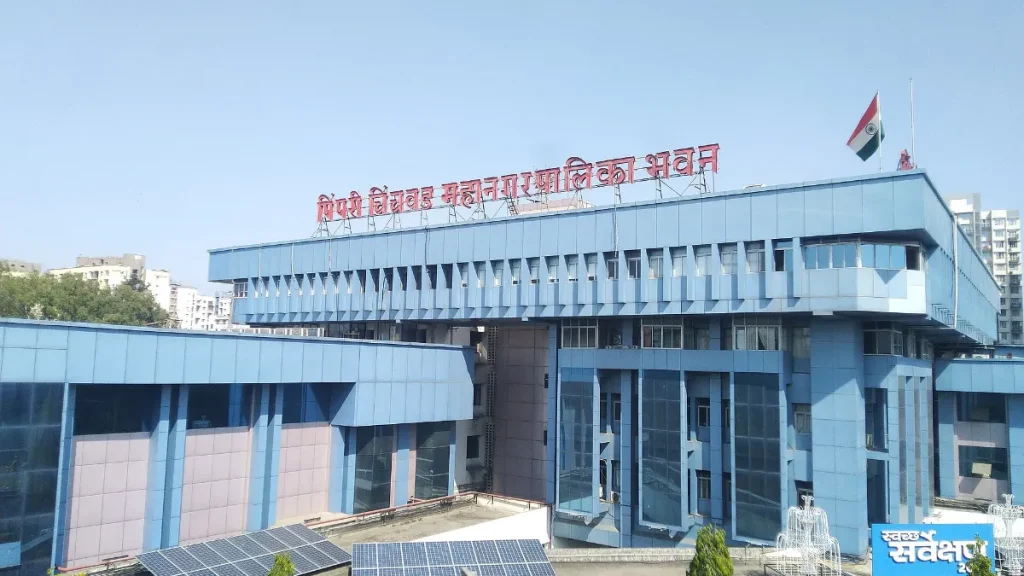
Photo: DesiBoy101 / CC BY 4.0, via Wikimedia Commons
Pimpri-Chinchwad, 17th November 2026: Pimpri-Chinchwad Municipal Corporation’s Harit Setu project, which rebuilds streets around walking, cycling and trees, was presented at the UN climate conference in Antalya, Türkiye on 14 November. The conference, COP31, runs at the Antalya Expo Centre from 9 to 20 November, Dainik Prabhat reported.
The recognition comes even as some residents of Nigdi Pradhikaran continue to object to how the project has changed their roads.
What Harit Setu is
Harit Setu (green bridge) is PCMC’s plan to redesign residential streets so that people on foot and on cycles get safe space. Work started on about 17 km of roads in the Nigdi-Pradhikaran area, along with the redevelopment of Telco Road, The Free Press Journal reported in November 2025.
The streets get wider shaded footpaths, cycle tracks, safe school zones, cycle parking, rainwater harvesting, more trees and new street furniture and signs.
Pimpri-Chinchwad says it was the first Indian city to issue green bonds for such work, raising Rs 200 crore for non-motorised transport projects. In 2025, the Union Housing and Urban Affairs Ministry gave PCMC an award for the most innovative financing in urban transport.
What PCMC said about the COP31 mention
Joint City Engineer Bapusaheb Gaikwad said balancing environmental protection with urban growth and thinking about long-term effects is important. He called the international notice of Harit Setu significant for the city.
Dainik Prabhat named the PCMC officials who took part in programmes linked to the Smart Cities Mission and the Housing and Urban Affairs Ministry. The report does not say which body at the conference singled out the project.
Gaikwad had earlier said PCMC wants Pimpri-Chinchwad to become a “15-minute city” by 2036, where short trips can be walked or cycled.
Why some Nigdi residents oppose it
In September, residents of Nigdi Pradhikaran put up protest boards outside homes and on walls, Civic Mirror reported. Their slogan was “Our roads, our right”.
Their main complaints:
- Internal roads have been narrowed to make room for wide footpaths.
- Ramps and raised platforms make driving and parking harder.
- Narrower carriageways could worsen congestion on already busy routes.
- Residents say they were not consulted enough before work began.
Maval MP Shrirang Barne said he would write to the Municipal Commissioner opposing the project in its current form and asked officials to consult residents. A residents’ action committee warned of a march to PCMC headquarters if the design was not revised.
What happens next
PCMC has not announced changes to the Nigdi design so far. It has not said whether the model will be extended to other parts of the city such as Pimple Saudagar or Wakad.
Residents with complaints can raise them through PCMC’s Sarathi helpline or at the ward office. Our Pimpri-Chinchwad city guide lists civic contacts, and our PMC, PCMC and PMRDA explainer explains who handles which roads.
Frequently asked questions
What is the Harit Setu project?
A PCMC project that redesigns streets in Nigdi Pradhikaran with wide footpaths, cycle tracks, trees and safe school zones.
When was Harit Setu presented at COP31?
On 14 November 2026, at the UN climate conference held at the Antalya Expo Centre in Türkiye.
How is Harit Setu funded?
Through PCMC’s green bonds, which raised Rs 200 crore for walking and cycling projects.
Why are Nigdi residents protesting Harit Setu?
They say roads have become narrower, ramps make driving harder and residents were not consulted enough.