NavIC Back to Four Working Satellites After NVS-03 Reaches Orbit: What India’s Own GPS Means for Your Phone, and Why It Took So Long
ISRO’s GSLV-F18 placed NVS-03 in orbit on 30 October, restoring NavIC to four working satellites. What NavIC is, why it faltered and when phones may use it fully.
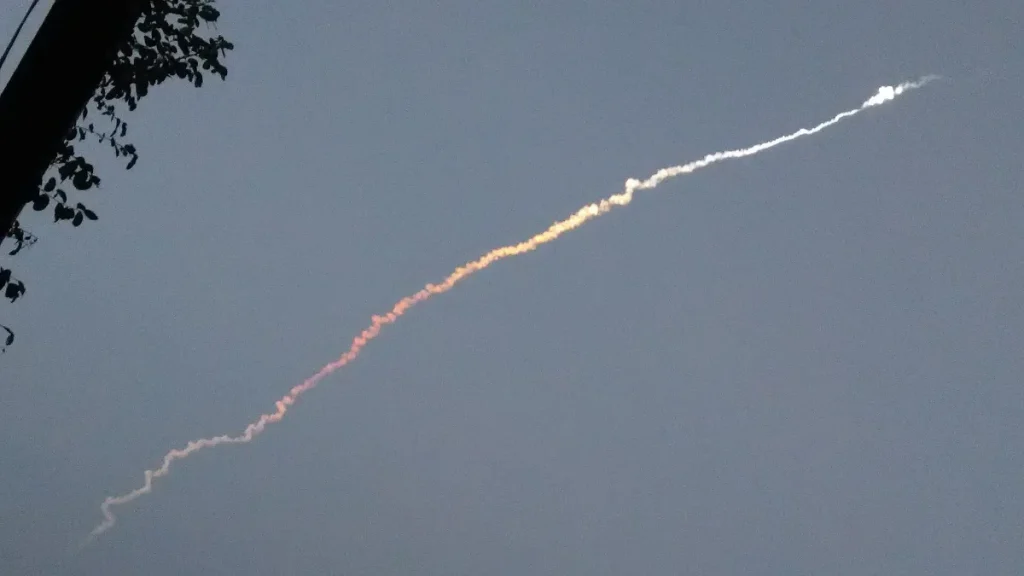
Photo: Gomathi Jayasankar / CC BY-SA 4.0, via Wikimedia Commons
Pune, 1st November 2026: India’s own satellite navigation system is back on its feet. ISRO’s GSLV-F18 rocket lifted off from Sriharikota on 30 October and placed the NVS-03 navigation satellite into its planned transfer orbit, with ISRO declaring “Mission Success”. Once it reaches its final position, NavIC, the Navigation with Indian Constellation, will again have four working satellites, the minimum it needs to give a position fix on its own.
The launch was among the top science searches in India this week, alongside questions about whether phones actually use NavIC. Here is what changed and why it matters.
Why NavIC needed this satellite
NavIC was designed with seven satellites. Over the years, several of the original IRNSS satellites lost their atomic clocks, which are the heart of any navigation satellite. The last clock on IRNSS-1F stopped in March 2026, leaving only three satellites fully working. In January 2025, NVS-02 was stranded in the wrong orbit after a valve problem.
With three satellites, a system cannot fix your location on its own, because a receiver needs signals from at least four to work out latitude, longitude, altitude and time. NVS-03 brings that number back to four: IRNSS-1B, IRNSS-1I, NVS-01 and NVS-03.
The made-in-India atomic clock
NVS-03 carries India’s third indigenous rubidium atomic clock in orbit, developed at ISRO’s Space Applications Centre in Ahmedabad. The first flew on NVS-01 in 2023. Because the home-grown clock is still building a track record, the satellite also carries imported clocks as a backup. Reliable clocks are the lesson of NavIC’s troubled first decade.
What it means for your phone
Most modern Android phones with recent Qualcomm or MediaTek chips list NavIC support, and some iPhone models support it too. But in daily use, your phone blends signals from GPS (US), GLONASS (Russia), Galileo (Europe), BeiDou (China) and NavIC. You will not notice a sudden change.
The bigger shift is the L1 frequency. The older IRNSS satellites broadcast on the L5 and S bands. The newer NVS satellites add L1, the same band GPS uses, which is what mainstream smartphone chips are built around. As more NVS satellites go up, NavIC can become a much more useful part of the mix in phones, cars and fleet trackers. Reports suggest full smartphone use will depend on NVS-04 and NVS-05, which are planned for the coming years.
Why India wants its own system
During the Kargil conflict in 1999, India was reportedly denied GPS data it needed. A navigation system under Indian control matters for defence, aviation, shipping, disaster warnings for fishermen and timing for banks and power grids. NavIC covers India and about 1,500 km around it, which is enough for these uses.
Earlier coverage: our preview of the NVS-03 launch. For more science stories, see the science section.
Frequently asked questions
What is NavIC?
NavIC, or Navigation with Indian Constellation, is India’s regional satellite navigation system run by ISRO. It covers India and about 1,500 km around it.
When was NVS-03 launched?
NVS-03 was launched on GSLV-F18 from Sriharikota on 30 October 2026, and ISRO confirmed it reached the intended orbit.
How many NavIC satellites are working now?
With NVS-03, NavIC has four working satellites: IRNSS-1B, IRNSS-1I, NVS-01 and NVS-03. The full system is designed for seven.
Does my phone support NavIC?
Many recent Android phones with Qualcomm or MediaTek chips, and some iPhone models, support NavIC. Phones use it alongside GPS and other systems.