
Sugarcane Crushing 2026-27: 161 Maharashtra Mills Crush 209 Lakh Tonnes; Pune Division Leads
Maharashtra has 161 mills crushing so far this season, with 209 lakh tonnes of cane crushed. Pune division leads; Kolhapur has the best recovery.
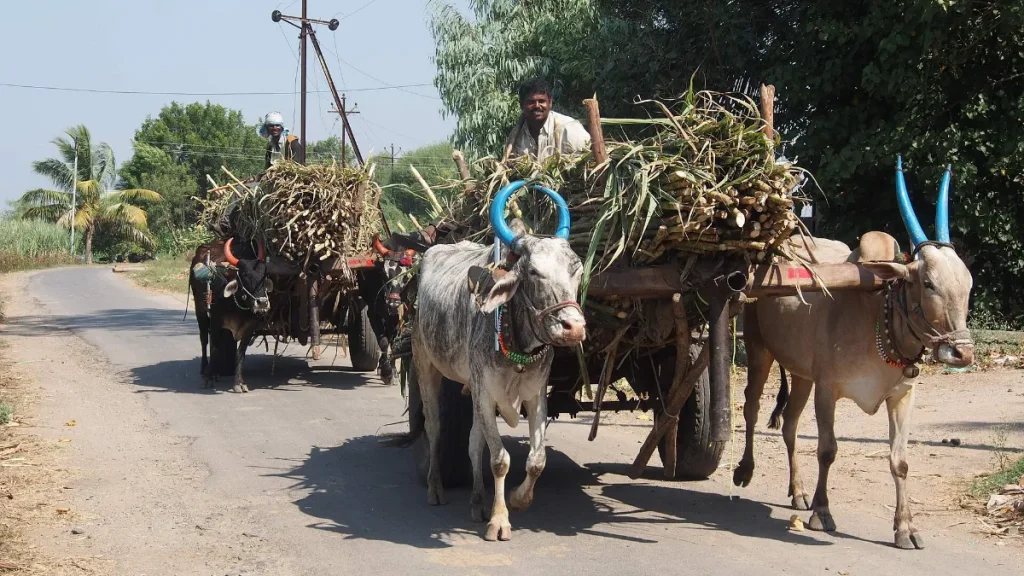
Photo: Pradeep717 / CC BY-SA 4.0, via Wikimedia Commons
Pune, 17th November 2026: Maharashtra’s sugarcane crushing season has picked up speed, with 161 sugar mills now running. Together they have crushed about 209 lakh tonnes of cane and produced about 179.89 lakh quintals of sugar, according to Sugar Commissionerate figures reported by Pudhari.
Pune division is ahead of every other region, with 28 mills crushing 55.78 lakh tonnes so far.
Division-wise crushing figures so far
- Pune: 28 mills, 55.78 lakh tonnes crushed, 52.39 lakh quintals sugar, 9.39% recovery.
- Solapur: 34 mills, 39.34 lakh tonnes, 31.50 lakh quintals, 8.01%.
- Ahilyanagar: 22 mills, 31.16 lakh tonnes, 26.39 lakh quintals, 8.47%.
- Kolhapur: 28 mills, 29.18 lakh tonnes, 27.94 lakh quintals, 9.58%.
- Nanded: 29 mills, 28.34 lakh tonnes, 22.26 lakh quintals, 7.85%.
- Chhatrapati Sambhajinagar: 17 mills, 22.33 lakh tonnes, 17.43 lakh quintals, 7.81%.
- Amravati: 3 mills, 2.52 lakh tonnes, 1.98 lakh quintals, 7.86%.
Of the 161 mills, 81 are cooperative and 80 are private. The number of working mills rose by 23 in one week.
What the recovery rate means for farmers
Recovery is the share of sugar produced from each tonne of cane. The state average so far is 8.62%. Kolhapur has the best recovery at 9.58%, followed by Pune at 9.39%.
Recovery matters because the Fair and Remunerative Price (FRP) that mills must pay farmers is linked to it. A higher recovery usually means a higher FRP per tonne for cane growers in that mill’s area.
Early-season recovery is usually lower and rises as the cane matures in December and January, so these numbers will change.
Why Kolhapur started slowly
Kolhapur had fewer mills running in the first weeks because of farmer union protests over cane prices, Pudhari reported. The count there has now risen from 17 to 28.
What it means for Pune district
Pune district’s cane belt runs through Baramati, Indapur, Daund, Shirur, Junnar and Ambegaon. Mills there depend on canal water from the Bhima and Nira systems.
This year’s weak monsoon has cut dam storage across the region, which we reported in our coverage of Pune’s water quota. Lower water may affect the cane planted for next season, even though this season’s crop is already standing.
Harvest workers also arrive from Marathwada in large numbers in this period. Mills usually arrange their camps near the factories.
Rules on daily reporting
The Sugar Commissionerate has made daily reports on crushing and sugar output mandatory for every mill, linked to its licence. Pudhari reported that some mills are still not filing these reports, and it is not clear what action will follow.
Farmers should supply cane only to mills that hold a crushing licence for 2026-27. The Commissionerate has granted licences to about 200 factories this season, according to another Pudhari report.
More farm news is in our agriculture section.
Frequently asked questions
How many sugar mills are crushing in Maharashtra now?
161 mills, 81 cooperative and 80 private, according to the Sugar Commissionerate’s latest figures.
Which division has crushed the most sugarcane so far?
Pune division, with 55.78 lakh tonnes from 28 mills.
Which region has the best sugar recovery?
Kolhapur, at 9.58%, followed by Pune at 9.39%.
Why does sugar recovery matter for farmers?
The FRP that mills must pay for cane is linked to recovery, so a higher recovery usually means a better price per tonne.