Katraj Zoo Pune Guide: Rajiv Gandhi Zoological Park Animals, Snake Park, Weekly Holiday, How to Reach and Tips
Everything for a family day at Katraj zoo: what the Rajiv Gandhi Zoological Park has, the snake park and orphanage, the weekly holiday, getting there and tips for children.
Collage: Puneri Pages (CC BY-SA 4.0). Photos via Wikimedia Commons: Himraj13 / CC BY-SA 3.0; Nikhil Ghadge / CC BY-SA 4.0; Universalashic / CC BY-SA 3.0; Universalashic / CC BY-SA 3.0; Universalashic / CC BY-SA 3.0; Akshaychikalge / CC BY-SA 4.0; Abdul Ajij / CC BY-SA 3.0
Last updated: 17 November 2026 · 6 min read · By Prashant Chaudhari
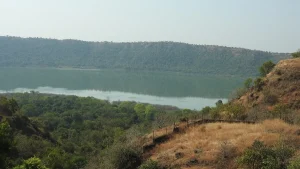
The Rajiv Gandhi Zoological Park, which every Punekar calls Katraj zoo, is the city’s go-to family outing. It sits on the Pune-Satara road opposite Katraj Dairy, about 8 km south of the city centre, and spreads over 130 acres around the old Katraj lake.
Quick answer: plan three to four hours, arrive soon after opening, and wear walking shoes. Tourism listings say the zoo closes on Wednesdays; call or check PMC’s zoo page before you go. PMPML buses to Katraj depot stop close to the gate.

Katraj zoo at a glance
| Detail | Information |
|---|---|
| Official name | Rajiv Gandhi Zoological Park and Wildlife Research Centre |
| Run by | Pune Municipal Corporation |
| Opened at Katraj | 1999 |
| Area | About 130 acres, including the 42-acre Katraj lake |
| Animals | About 430 animals of 53 species (May 2025) |
| Sections | Zoo, snake park, animal orphanage |
| Weekly holiday | Wednesday, according to tourism listings |
From Peshwe Park to Katraj
Pune’s zoo story starts at the foot of Parvati hill. In 1953 PMC opened Peshwe Park on about seven acres where, according to the zoo’s Wikipedia history, Peshwa Madhavrao had kept a private menagerie in 1770. Animals there lived in old-style cages.
To meet Central Zoo Authority norms, PMC chose a larger site at Katraj in 1997. The new park opened in 1999, first with the reptile park, deer and monkeys. By 2005 all the animals from Peshwe Park had moved, and the old zoo closed.
Which animals can you see?
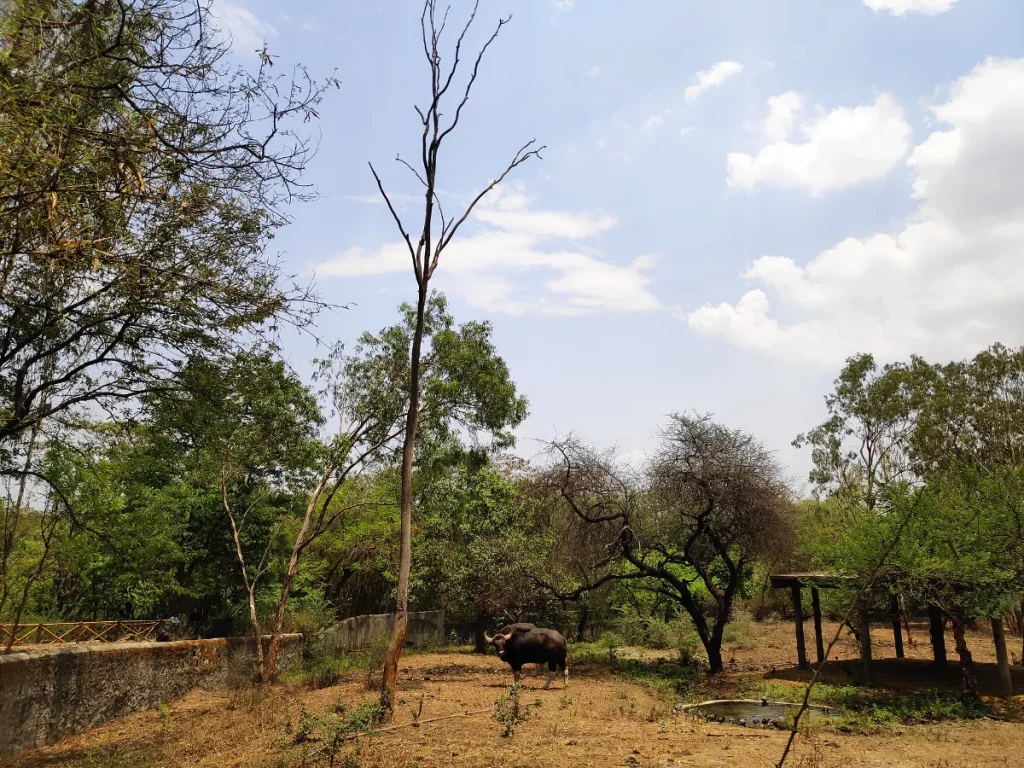
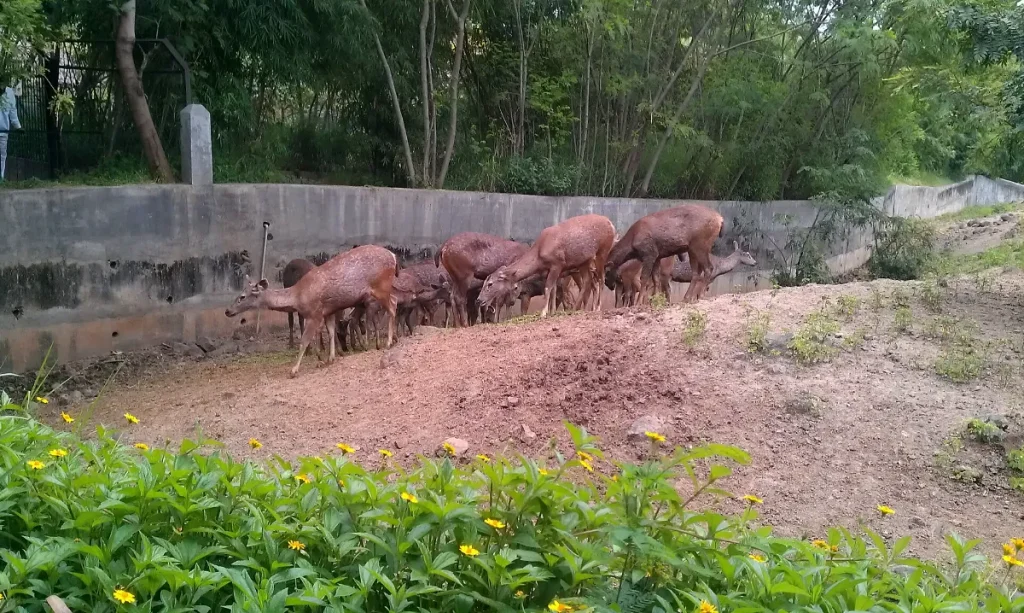
The zoo’s big cats draw the crowds: tigers, including white tigers, and leopards. Other mammals include sloth bears, Indian gaur, sambar, spotted deer, blackbuck, chinkara, jackals, jungle cats and several monkey species. Birds such as peafowl and wild kites and shikras are easy to spot around the lake.
In May 2025 the zoo had about 430 animals across 53 species and is classified as a medium zoo by the Central Zoo Authority, Deputy Director Suchitra Suryawanshi-Patil told Punekar News. Animals and enclosures change over time as the zoo exchanges animals with other zoos, so some species may be off display.
The snake park and the animal orphanage
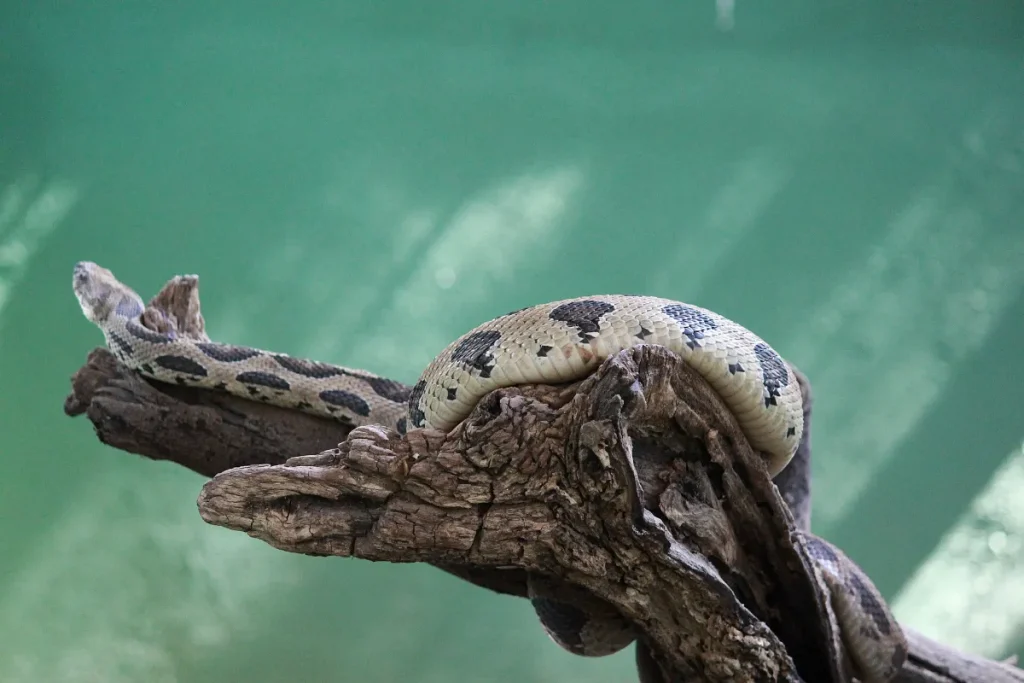
The snake park is the oldest part of the campus and a favourite with children. It houses more than 20 species of snakes, including cobras, vipers, pythons and a king cobra, along with crocodiles, turtles and tortoises. Information boards are also provided in Braille.
The orphanage takes in injured and orphaned wild animals rescued in and around Pune. Some recover and are released; others that cannot survive in the wild stay at the zoo. Around Nag Panchami, the snake park runs awareness programmes to discourage cruelty to snakes.
How to reach Katraj zoo
- PMPML bus: many routes from Swargate, Pune Station and Shivajinagar go to Katraj bus depot, a short walk from the zoo.
- Metro: the nearest working metro station is Swargate on the Purple Line; take a bus or auto from there. The Swargate to Katraj underground metro extension is under construction; see our report on the Katraj metro tunnelling.
- Car or two-wheeler: take Satara road south. There is parking near the gate, but it fills up on weekends and holidays.
- Auto or cab: ask for “Katraj zoo main gate, opposite Katraj Dairy”.
Best time to visit
Mornings are best. Animals are more active, paths are shaded and the crowds have not arrived. Winter, from November to February, is the most comfortable season for a long walk; see our guide to the best time to visit Pune.
Summer holidays bring huge crowds. Between 1 and 15 May 2025 alone, the zoo recorded 70,000 to 80,000 visitors, Punekar News reported. If you can, visit on a weekday outside the school vacation.
Tickets, timings and battery cars
Ticket rates, timings and the weekly holiday are set by PMC and are revised from time to time. Buy tickets at the counter at the main gate. Children, students in school groups and senior citizens usually pay lower rates; carry an ID.
The walking route around the enclosures is long and has slopes. Battery-operated vehicles have been provided for visitors who find the walk difficult. Ask at the gate whether they are running on the day you visit.
What to carry and rules to follow
- Water bottles, caps and comfortable shoes.
- Light snacks for children, but do not eat near enclosures or throw food to animals.
- No plastic bags; the zoo is a no-plastic zone, and plastic kills animals that swallow it.
- Do not tap on glass, shout or tease animals to make them move.
- Keep children within sight; the lakeside paths are open.
Food stalls outside the gate sell pav bhaji, sandwiches, roasted peanuts and ice cream, especially on weekends.
In the monsoon, paths near the lake can be muddy and slippery, and some animals stay in their shelters during heavy rain. Carry an umbrella rather than a raincoat for small children, and keep a change of socks in the car. On hot summer afternoons, many animals rest out of sight, which is another reason to arrive early.
A simple route inside the zoo
The campus is large, so decide your order before you start walking. A route that works for most families:
- Start with the snake park near the entrance, while children are fresh and before it gets crowded.
- Walk on to the big cats, which are most active in the morning.
- Continue along the lake path to the deer, gaur and bear enclosures.
- End with the bird areas and a rest near the lake before walking back to the gate.
Keep at least 30 minutes for breaks. Ask staff at the gate where the toilets and drinking water points are before small children need them.
Visiting with toddlers, seniors or a wheelchair
Strollers work on most of the main paths, though some stretches slope and others are uneven. Senior citizens and wheelchair users should ask at the gate about battery vehicles and the easiest route, and plan for shade breaks. Weekday mornings are calmer for anyone who finds crowds tiring.
Adopt an animal
Since October 2010 the zoo has run an animal adoption scheme, under which individuals, schools and companies can sponsor an animal’s food and care for a period. It is a popular birthday or school project in Pune. Ask the zoo office for current rates and the animals available for adoption.
The zoo’s role in research and health
The zoo is more than a picnic spot. In November 2026 it joined a national One Health project with ICMR’s National Institute of Virology to watch for infections that jump between animals and people, such as rabies and Nipah. Read our story on the Katraj zoo surveillance project.
Combine your visit with nearby places
Katraj lake itself is pleasant for an evening walk. If you are heading out of the city, the Satara road continues past Katraj ghat towards Khed Shivapur. Families with a full day can pair the zoo with the city’s museums; see our museums in Pune guide.
Frequently asked questions
Which day is Katraj zoo closed?
Tourism listings say the zoo is closed on Wednesdays. Confirm on PMC’s zoo page or by phone before you go, especially around holidays.
How many animals are there in Katraj zoo?
The zoo had about 430 animals of 53 species in May 2025, according to its deputy director.
How do I reach Katraj zoo by bus?
Take any PMPML bus to Katraj bus depot from Swargate, Pune Station or Shivajinagar; the zoo is a short walk from the depot.
How much time do I need at Katraj zoo?
Plan three to four hours to see the zoo, snake park and lake without rushing.