
Katraj Zoo Joins ICMR-NIV One Health Surveillance to Catch Rabies, Nipah and Other Animal-to-Human Infections
Pune’s Rajiv Gandhi Zoological Park in Katraj is part of a new One Health sentinel surveillance project with ICMR-NIV to spot animal-to-human infections early.
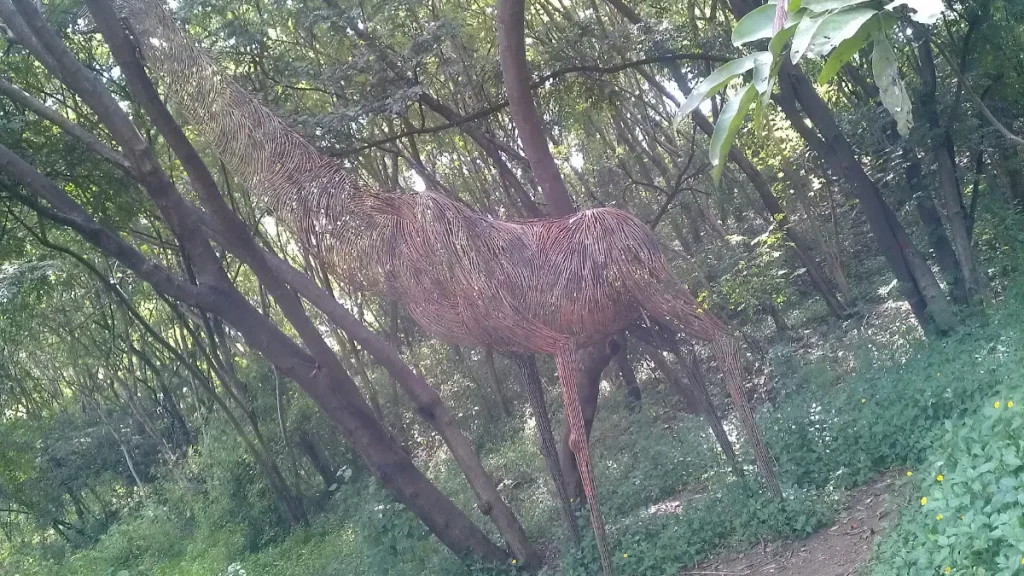
Photo: Abdul Ajij / CC BY-SA 3.0, via Wikimedia Commons
Pune, 10th November 2026: The Rajiv Gandhi Zoological Park in Katraj is part of a new national project to spot infections that jump from animals to people before they spread. Zoo workers and animals will be watched closely as an early warning system, under the National One Health Mission.
The project brings together ICMR’s National Institute of Virology (NIV) in Pune, the National Institute for One Health in Nagpur, Bharati Vidyapeeth and the Pune zoo, Punekar News reported.
What the Katraj zoo project is
Its full name is “Establishing a One Health Sentinel Surveillance System in High Human-Animal-Interaction Settings among Selected Zoos in India”. In simple terms, zoos are places where people work very closely with many species every day, so they are good spots to catch new infections early.
A sentinel site is like a smoke detector. Regular checks on the people and animals there can pick up an unusual illness before it reaches the wider city.
Which diseases are being watched
The report lists six priority threats:
- Rabies, spread mainly through bites of infected animals
- Anthrax, which can pass from livestock and wild animals
- Nipah, a virus carried by fruit bats
- Leptospirosis, spread through water or soil contaminated by animal urine
- Mpox, which can pass from animals to humans and then between people
- Zika, spread by Aedes mosquitoes
Several of these are already known in Maharashtra. Leptospirosis cases rise every monsoon, and rabies remains a concern with large stray dog numbers in the city.
Why zoo workers are the first line of defence
Keepers, cleaners and vets at Katraj handle animals, feed, waste and water every day. If an infection crosses from an animal, they are likely to be exposed first. Watching their health, along with the animals’, gives scientists an early signal.
This is the idea behind One Health: human health, animal health and the environment are linked, so they should be monitored together.
Why Pune is a natural fit
Pune is home to ICMR-NIV, India’s main virology institute, which has handled samples in past outbreaks such as Nipah and Zika. The Katraj zoo, spread over about 130 acres on the city’s southern edge, draws large crowds of families and school groups, especially on weekends and holidays.
Having a research lab, a large zoo and a medical college in the same city makes it easier to collect samples, test them quickly and act on results.
What it means for visitors
There is no health alert at the zoo, and nothing in the report suggests any risk to visitors. The project is about prevention.
General precautions still help at any zoo or farm:
- Do not feed or touch animals
- Wash hands with soap after the visit, especially before eating
- Keep children from putting hands in their mouths near enclosures
Health note: This article is general information, not medical advice. See a doctor if you have a fever after an animal bite or scratch.
What is still not known
The report did not say how many workers will be enrolled, how often samples will be taken, or how long the project will run. We will update this story when ICMR-NIV or the zoo shares details.
More health news is in Health, and our Pune dengue update covers the city’s current mosquito-borne disease season.
Frequently asked questions
What is the One Health project at Katraj zoo?
It is a sentinel surveillance project in which the Pune zoo, ICMR-NIV and partners monitor workers and animals to detect animal-to-human infections early.
Which diseases will be monitored at Pune zoo?
The priority list includes rabies, anthrax, Nipah, leptospirosis, mpox and Zika.
Is it safe to visit Katraj zoo?
Yes. The project is preventive, and no health alert has been issued. Basic hygiene, like washing hands, is always advised.
Who is running the project?
ICMR-NIV Pune, the National Institute for One Health in Nagpur, Bharati Vidyapeeth and the Rajiv Gandhi Zoological Park, under the National One Health Mission.