
Challan Abhay Yojana 2026: 20% Off Pending E-Challans in Maharashtra in Three Phases; Pune Details
Maharashtra’s Challan Abhay Yojana 2026 offers up to 20% off pending compoundable e-challans in three phases, plus a 20% early-payment discount on new challans.
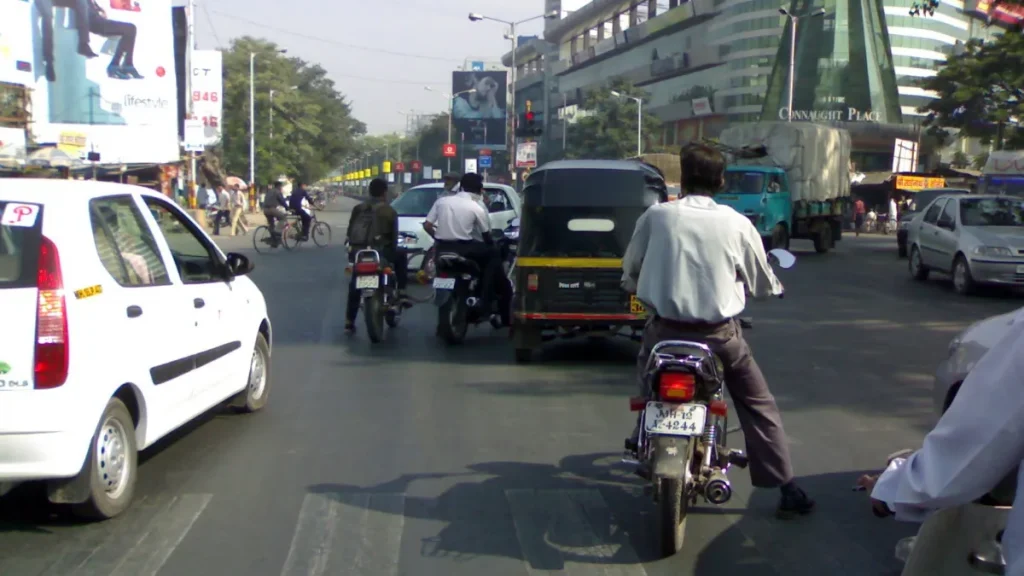
Photo: Amityadav8 / Public domain, via Wikimedia Commons
Mumbai, 5th November 2026: Vehicle owners in Pune and across Maharashtra can get up to 20% off their pending traffic e-challans under the Maharashtra Traffic Police Challan Abhay Yojana-2026, approved by the state cabinet on Wednesday, 4 November.
The cabinet meeting was chaired by Chief Minister Devendra Fadnavis. The Free Press Journal and Saam TV reported the same three-phase structure.
Challan Abhay Yojana 2026: the three phases
The scheme treats e-challans differently depending on when they were issued.
- Phase 1: Challans issued between 21 January and 31 October 2026. Up to 20% off the pending amount on compoundable challans, for a 30-day window.
- Phase 2: Challans issued from 1 November 2026 onwards. A 20% early-payment discount if you pay within 45 days of the challan. This part runs for one year.
- Phase 3: Old challans issued between 30 January 2019 and 20 January 2026 where recovery is pending before courts. Up to 20% off, for a 30-day window.
“Compoundable” means offences that can be settled by paying the fine, without a court trial. Most everyday e-challans, such as signal jumping, no helmet or wrong parking, fall in this group.
How much will a Pune driver save?
The discount is on the total pending amount. A rider with ₹5,000 in pending challans from this year would pay ₹4,000 if Phase 1 gives the full 20%.
Under Phase 2, a fresh ₹1,000 challan issued in November becomes ₹800 if it is paid within 45 days.
The reports say “up to 20%”, so the final notification may set lower rates for some categories. Check the amount shown at the time of payment.
How to check and pay your pending e-challans
The official payment process under the scheme has not been notified yet. Until then, you can check what is pending against your vehicle number on the Parivahan e-challan portal.
Our step-by-step guide on how to check and pay a Pune traffic e-challan online explains the current method. Keep your vehicle number and the mobile number linked to your RC ready.
Why the government is offering the discount
Maharashtra moved to the “One State, One Challan” e-challan system on 30 January 2019, with challans sent by SMS to registered mobile numbers. Recovery of fines has stayed poor despite reminders and Lok Adalat drives, both reports said.
The amnesty is meant to clear that backlog. The government has also signalled a tougher line once the windows close.
What happens if you do not pay
After the scheme ends, repeat offenders with unpaid challans may face licence suspension, a block on vehicle transactions such as ownership transfer, and vehicle seizure under Rule 21 of the Central Motor Vehicles Rules, 1989.
A block on transactions would hit people planning to sell a vehicle. See our guide to vehicle ownership transfer in Maharashtra.
What is still not known
The start date of the 30-day windows, the payment channels and any excluded offences have not been announced. Non-compoundable cases, such as drunk driving, are usually decided by courts and may not be covered.
We will update this story when the Home Department issues the government resolution.
Frequently asked questions
What is Challan Abhay Yojana 2026?
It is a one-time Maharashtra scheme giving up to 20% off pending compoundable traffic e-challans, in three phases based on when the challan was issued.
Does the 20% discount apply to Pune traffic challans?
Yes. It is a statewide scheme, so challans issued by Pune City and Pimpri-Chinchwad traffic police are covered if they fall in the eligible date ranges.
When does the challan discount start?
The cabinet approved it on 4 November 2026. The start date of the 30-day windows will be in the official notification, which is awaited.
Is there a discount on new challans?
Yes. Challans issued from 1 November 2026 get 20% off if paid within 45 days, and this early-payment rule runs for one year.