Cold Nights and Crops: How Pune Farmers Can Protect Grapes, Wheat, Harbhara and Vegetables From Frost
When Pune nights drop below 10 degrees, grapes, vegetables and young rabi crops suffer. Here is what cold does and the steps experts advise to protect crops.
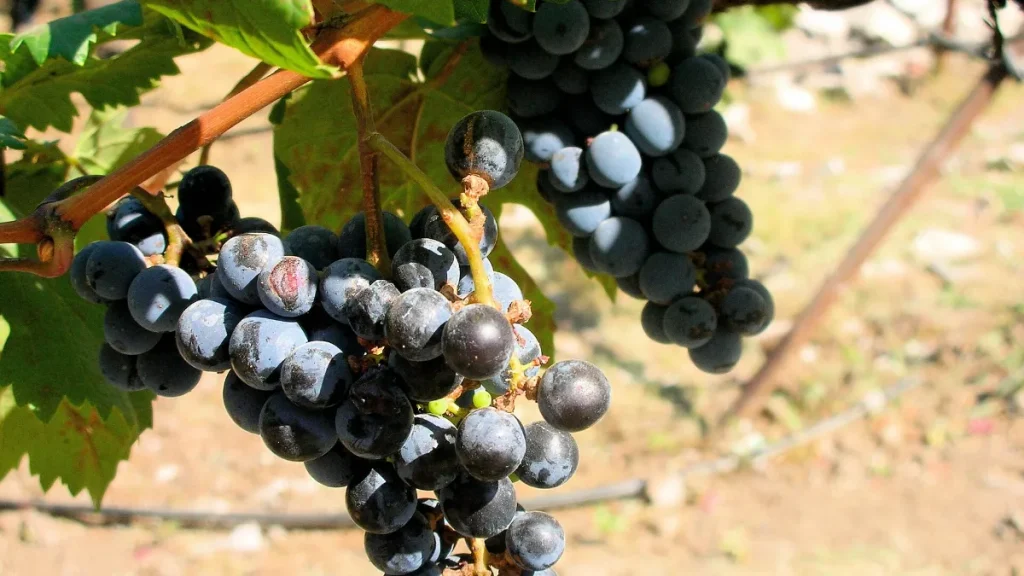
Photo: Ipshita Bhattacharya / CC BY 2.0, via Wikimedia Commons
Last updated: 25 November 2026
When winter nights in and around Pune dip below 10 degrees Celsius, crops in the fields feel it first. Grapes near harvest, young wheat and harbhara, and tender vegetables such as tomato and brinjal can all suffer. This guide on cold wave crop protection explains what low temperatures do and the steps experts advise.
Pune has already seen cold mornings this November. See our report on Pune’s coldest morning and the IMD outlook in our weather pages.
When does IMD call it a cold wave?
According to the India Meteorological Department, a cold wave in the plains is declared only when the minimum temperature is 10 degrees Celsius or below, and it is 4.5 to 6.4 degrees below normal. It is also declared if the minimum falls to 4 degrees or below. A severe cold wave means more than 6.4 degrees below normal, or 2 degrees or less.
The conditions must hold at two or more stations in a sub-division for two days in a row. For farmers, though, damage can begin even before an official cold wave, so watch the local forecast.
What cold does to grapes
The ICAR-National Research Centre for Grapes at Manjri, Pune, warns that many grape regions see minimums below about 12 degrees in winter. In its weather-based advisory, it notes that in white seedless varieties nearing veraison, green berries can turn pink if the minimum stays below about 7 degrees for one or two days. Once the pink colour starts, nothing can reverse it.
Cold after berry set also slows berry growth and root activity.
Steps advised for grape growers
The NRC Grapes advisory recommends:
- Cover bunches with paper before veraison begins.
- Increase irrigation in the vineyard before cold nights, as moist soil holds heat better. Do not over-irrigate if the soil is already at field capacity.
- Raise soil temperature by mulching the bunds and digging a small trench along the bund sides.
- Light small fires at several spots in the vineyard on cold nights, taking care with fire safety.
- Apply potash: before expected low temperatures, 15 kg of sulphate of potash (SOP) per acre in two splits, followed by an SOP spray.
Wheat, harbhara and vegetables
For field crops and vegetables, agriculture departments commonly advise these steps, as summarised by Krishi Dunia from a state agriculture department advisory:
- Light irrigation before a cold night. Moist soil can keep the field 0.5 to 2 degrees warmer.
- Smoke on frost-prone nights. Burn dry grass or crop waste along field edges in the late night hours.
- Cover nursery beds and vegetables with plastic sheets or straw overnight, removing them in the morning.
- Windbreaks: tarps on the windward side, and in the long run, rows of trees along field boundaries.
- Protective sprays: some advisories suggest a 0.1% sulphur spray or thiourea at 500 ppm. Ask your KVK before spraying, as doses depend on the crop.
Harbhara, peas, tomato, chilli, brinjal, coriander and wheat are among the crops listed as sensitive.
A simple plan for cold nights
Check the evening forecast for the minimum temperature. If it is expected to fall near or below 10 degrees, irrigate lightly in the afternoon, cover nurseries before sunset and keep dry waste ready at the field edge. Check the crop the next morning for wilting or browning on leaf edges, and note which parts of the field were hit hardest, usually the low-lying patches where cold air settles.
A note on safety
Burning straw and waste adds smoke to the air and is a fire risk near sugarcane, haystacks and houses. Keep fires small, never leave them unattended, and follow local rules. Light irrigation is the safest first step.
Where to get local forecasts
The IMD’s Pune office and agricultural universities issue district-level agromet advisories twice a week. Several apps also give village-level forecasts; see our guide to weather forecast apps for farmers. For crop losses from unusual weather, read how to claim crop damage compensation.
Frequently asked questions
What temperature is a cold wave in Maharashtra?
In the plains, IMD declares a cold wave when the minimum is 10 degrees or below and 4.5 to 6.4 degrees below normal, or when it falls to 4 degrees or lower.
How does cold affect grapes?
NRC Grapes says green berries of white seedless grapes near veraison can turn pink if minimums stay below about 7 degrees for one or two days.
How can farmers protect crops from cold?
Light irrigation before cold nights, smoke at field edges, covering nurseries and vegetables, windbreaks and potash for grapes are the main steps advised.
Does irrigation help against cold?
Yes. Moist soil holds heat, and light irrigation can keep the field 0.5 to 2 degrees warmer on a cold night.