Hill Stations Near Pune: Complete Guide to Lonavala, Mahabaleshwar, Panchgani, Matheran, Bhimashankar and Tamhini Ghat
Our guide to hill stations near Pune compares Lonavala, Mahabaleshwar, Panchgani, Matheran, Bhimashankar and Tamhini Ghat on distance, season and highlights.
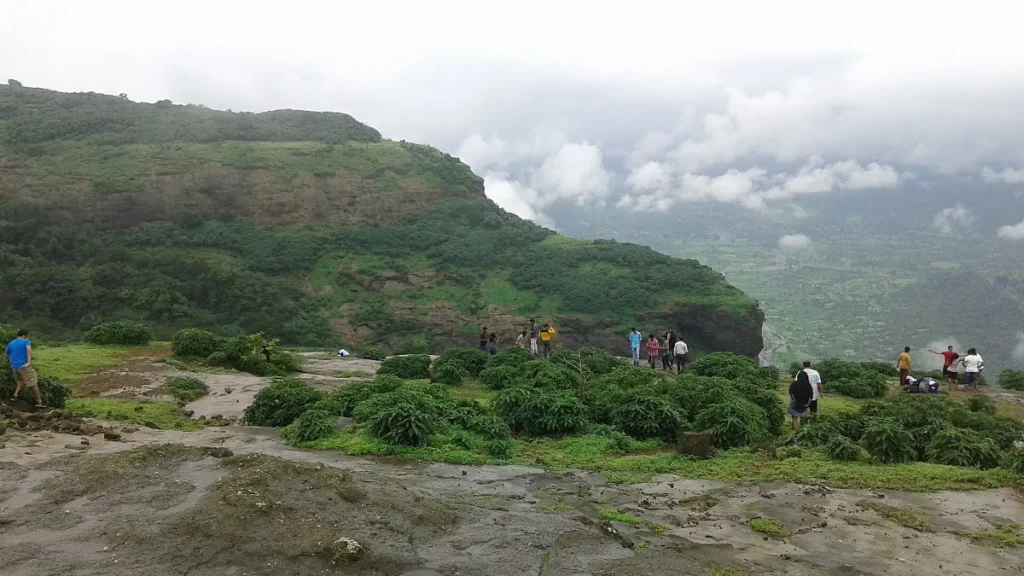
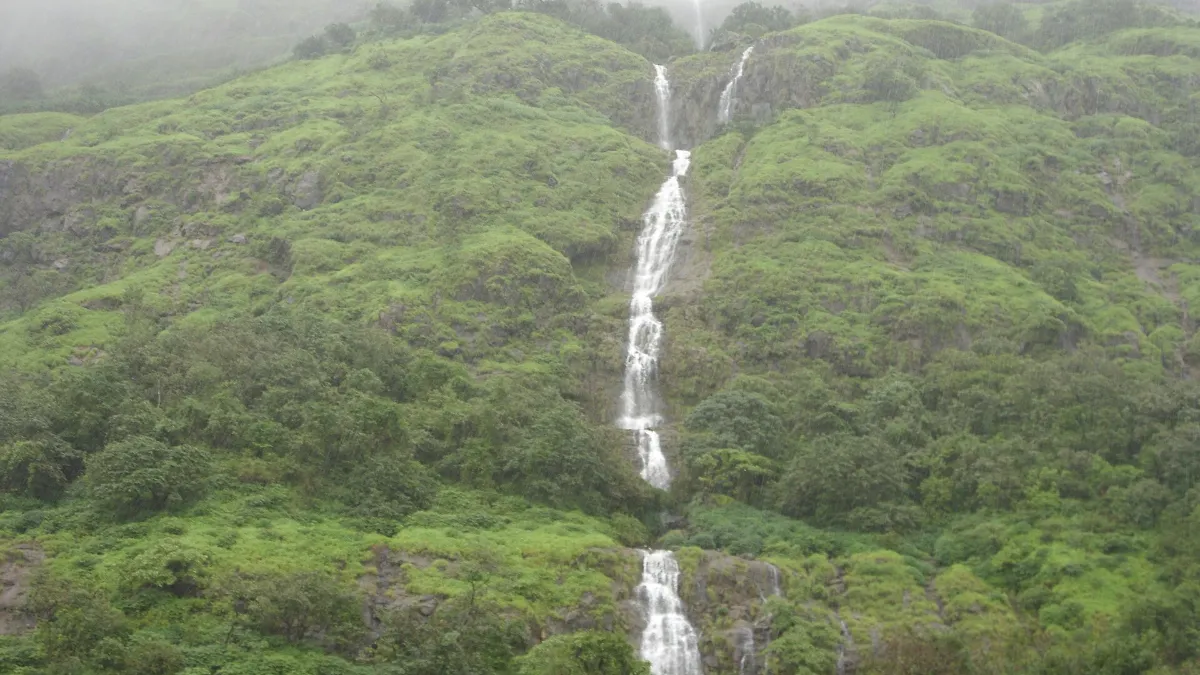
Photo: Kkmishra1960 / CC BY-SA 4.0, via Wikimedia Commons
Pune sits on the eastern edge of the Sahyadri, which means the hills are never far away. Within one to three hours of the city you can be in a misty monsoon valley, a strawberry farm, a car-free forest town or a sanctuary that is home to Maharashtra’s state animal. That is why so many Pune weekends end with someone asking: Lonavala or Mahabaleshwar?
This guide compares the main hill stations and ghat drives near Pune, what each one is best for, when to go and what to watch out for. It is written for first-time visitors and for Punekars who want to go beyond the usual viewpoints.
Key takeaways
- Lonavala and Khandala, about 65 km away, are the quickest escape and best in the monsoon.
- Mahabaleshwar, about 120 km away, is the classic family hill station, the source of the Krishna river and the home of India’s best-known strawberries, which got a GI tag in 2010.
- Matheran, about 120 km away via Neral, is largely free of motor vehicles and was declared an eco-sensitive zone in 2003.
- Bhimashankar combines a Jyotirlinga temple with a wildlife sanctuary that protects the Indian giant squirrel, Maharashtra’s state animal.
- Monsoon visits need extra care: avoid waterfalls and dams in heavy rain, follow local prohibitory orders and never drive the ghats in poor visibility at night.
In this guide
- Quick comparison
- Lonavala and Khandala: the monsoon capital
- Mahabaleshwar: the classic family hill station
- Panchgani: quiet plateaus and boarding schools
- Matheran: the car-free hill station
- Bhimashankar: temple and forest
- Tamhini Ghat, Mulshi and Lavasa: monsoon drives
- Sample itineraries
- What to pack by season
- Matching the destination to your trip
- Monsoon safety: the rules that save lives
- Practical tips
- Frequently asked questions
Quick comparison
Distances are approximate road distances from central Pune.
| Destination | Distance | Ideal trip | Best season | Best for |
|---|---|---|---|---|
| Lonavala and Khandala | About 65 km | Day trip or one night | June to September; October to February | Monsoon views, quick escape, forts and caves |
| Mahabaleshwar | About 120 km | Two nights | October to May; strawberries December to March | Families, viewpoints, strawberries, lake |
| Panchgani | About 100 km | One or two nights (often with Mahabaleshwar) | October to May | Table Land, quiet stays, sunsets |
| Matheran | About 120 km (via Neral) | One or two nights | October to May | Car-free walks, toy train, forest trails |
| Bhimashankar | About 110 km | Day trip or one night | August to February | Pilgrimage, forest, birdwatching |
| Tamhini Ghat and Mulshi | About 50 to 60 km | Day drive | June to September | Monsoon waterfalls, lake views |
Lonavala and Khandala: the monsoon capital
Lonavala and neighbouring Khandala sit on the Bhor ghat, the gateway between the Deccan plateau and the Konkan. They are the closest proper hill stations to Pune and can be reached by car on the Expressway or the old highway, or by local train on the Pune-Lonavala suburban line.
What to see
- Tiger’s Leap and Lion’s Point: Cliff-edge viewpoints over deep valleys, spectacular when clouds rise in the monsoon.
- Bhushi Dam: Famous for water flowing over its steps in the rains. It gets dangerously crowded and has seen drowning incidents, and access is often restricted during heavy rain.
- Karla and Bhaje caves: Buddhist rock-cut caves, with the great chaitya hall at Karla among the finest in India.
- Lohagad and Visapur forts: Easy to moderate climbs, part of the UNESCO-listed Maratha forts in the case of Lohagad.
- Rajmachi: A longer trek or drive to twin forts with sweeping views of the ghats.
Food and shopping
Lonavala is known for chikki, a brittle made of jaggery with peanuts, sesame or dry fruits, and for fudge. Corn on the cob and kanda bhaji at roadside stalls are monsoon rituals.
Local tip: On monsoon weekends, Lonavala’s roads can be jammed for hours. Leave Pune before 7 am or visit on a weekday.
Mahabaleshwar: the classic family hill station
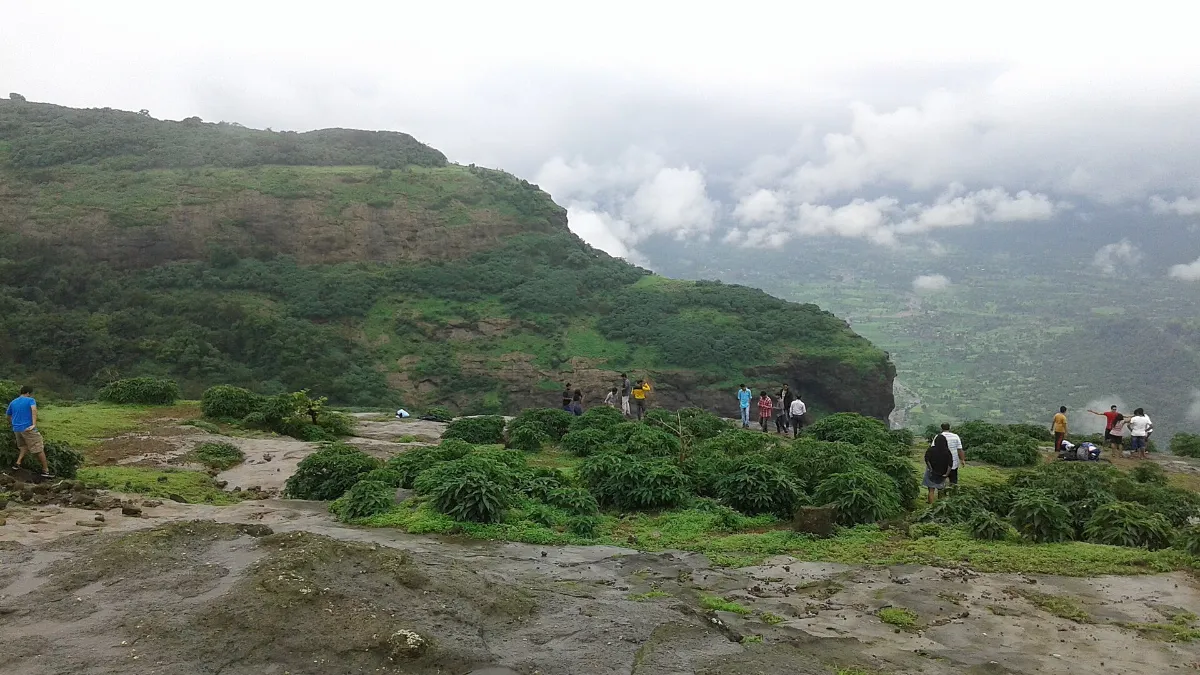
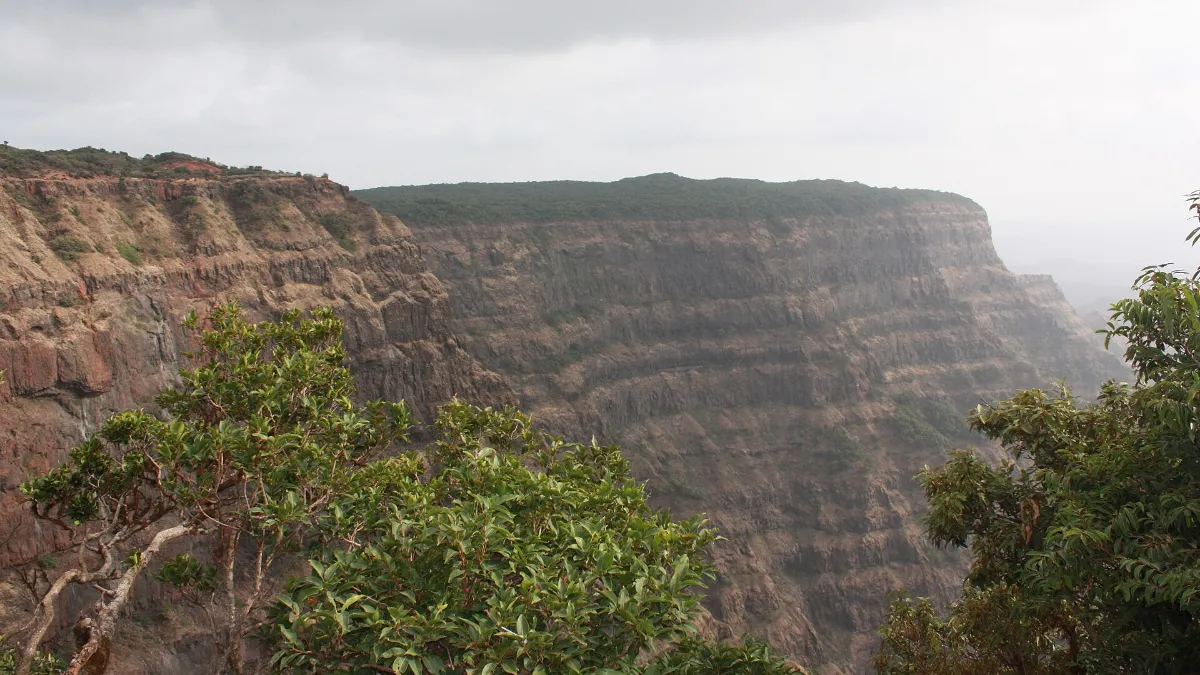
Mahabaleshwar, about 120 km south-west of Pune in Satara district, sits at around 1,350 m and was developed by the British in the 19th century as the summer capital of the Bombay Presidency. It remains Maharashtra’s best-known hill station.
Why it is special
Mahabaleshwar is the source of the Krishna river, one of the great rivers of peninsular India, which rises here along with several tributaries. The Old Mahabaleshwar temple area is linked to this origin and is the spiritual heart of the town.
The area also grows the bulk of India’s strawberries. The Mahabaleshwar strawberry received a Geographical Indication (GI) tag in 2010. In season, roughly December to March, you can buy fresh strawberries, strawberries with cream, jams and crushes from farms and shops around Mahabaleshwar and nearby Panchgani.
What to see
- Viewpoints: Wilson Point (also called Sunrise Point, the highest point at about 1,439 m), Arthur’s Seat, Kate’s Point, Elphinstone Point and Bombay Point.
- Venna Lake: A man-made lake from 1842 with boating, horse rides and food stalls.
- Pratapgad: About 20 km away, the fort where Shivaji Maharaj met and killed Afzal Khan in 1659. Pratapgad is also part of the UNESCO-listed Maratha Military Landscapes.
- Lingmala waterfall: Best just after the monsoon.
Monsoon warning
Mahabaleshwar is one of the wettest places in India, with average annual rainfall of over 5,800 mm. Many hotels and attractions close or reduce services in July and August, and roads can be affected by landslides. Most families prefer October to May.
Panchgani: quiet plateaus and boarding schools
Panchgani, about 100 km from Pune and roughly 18 km before Mahabaleshwar, is calmer and more compact. It is known for its old boarding schools, colonial bungalows and wide views over the Krishna valley and the Dhom dam backwaters.
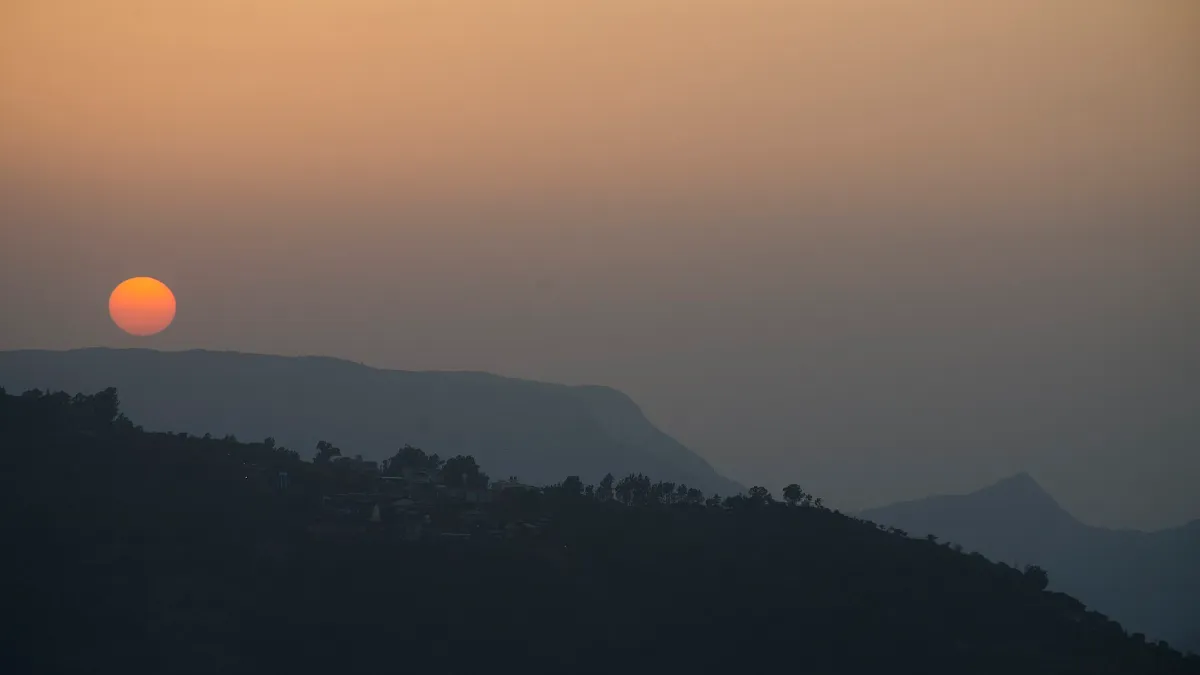
The highlight is Table Land, a large flat volcanic plateau where you can walk to the edge for sunset views. Sydney Point and Parsi Point are other popular viewpoints. Many visitors stay in Panchgani and make day trips to Mahabaleshwar, which can be more crowded.
Matheran: the car-free hill station
Matheran, about 120 km from Pune via Neral, is one of the most unusual hill stations in India. Private vehicles are not allowed inside the town. You park at Dasturi and walk, ride a horse, take a hand-pulled rickshaw or use the e-rickshaws that have been permitted in recent years. Matheran was declared an eco-sensitive zone in February 2003.
The toy train
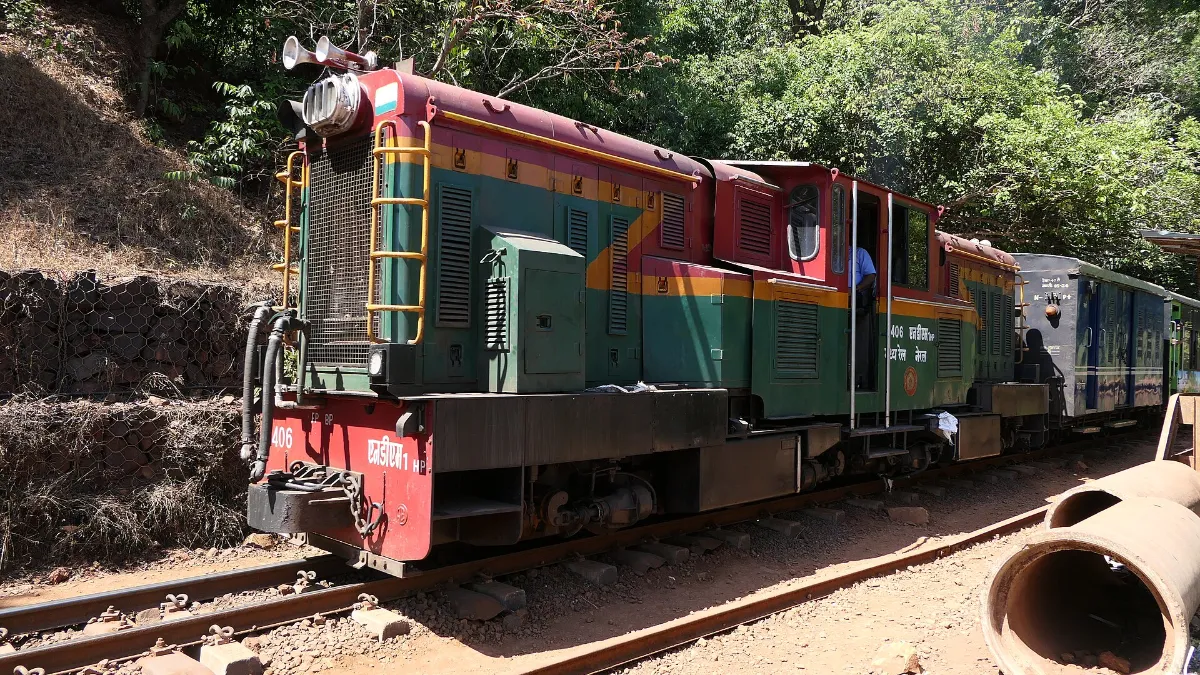
The Matheran Hill Railway, built in 1907, climbs about 20 km from Neral to Matheran on narrow-gauge track, with tight curves and forest views. The Neral to Matheran service is usually suspended during the monsoon for safety, while a shuttle between Aman Lodge and Matheran often continues. Check Central Railway announcements for the current schedule before planning around the train.
What to see
Matheran is best explored on foot. Its red-earth trails lead to more than 30 viewpoints, including Panorama Point, Echo Point, Louisa Point and Charlotte Lake. The town has a gentle, old-world feel, with heritage bungalows and small eateries.
Getting there from Pune
Drive to Neral via the Expressway and Karjat, or take a train to Karjat or Neral and continue by taxi to Dasturi. From Dasturi, it is a walk or ride of about 2.5 km into the town centre.
Bhimashankar: temple and forest
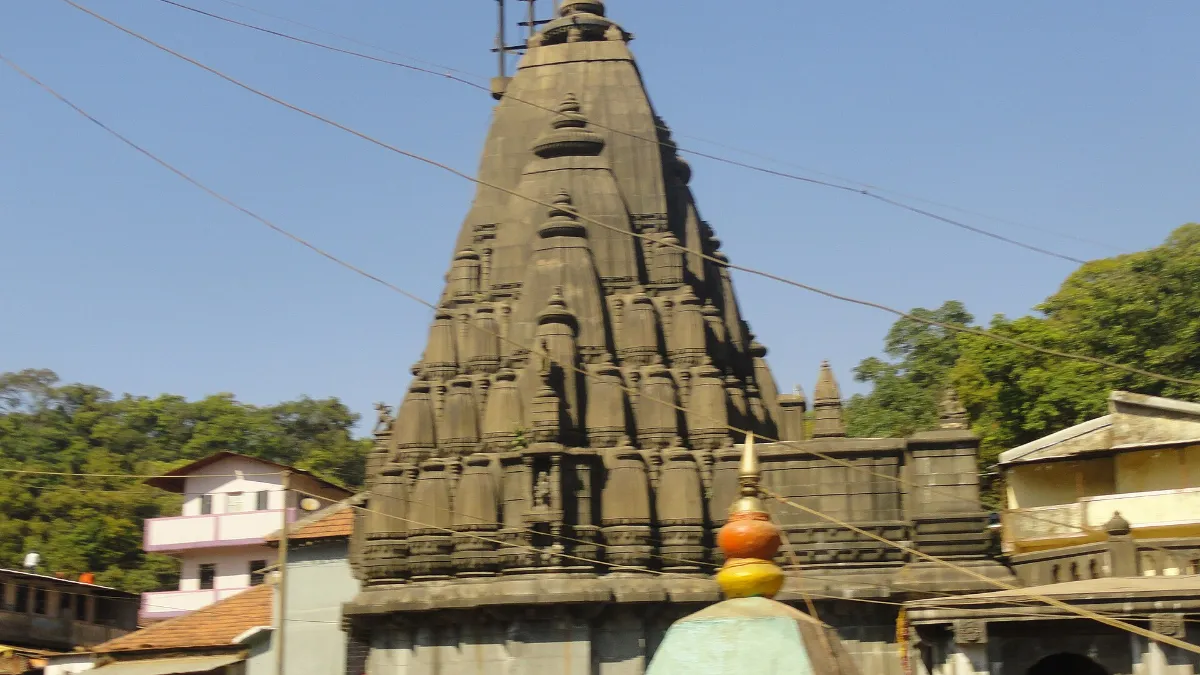
Bhimashankar, about 110 km north-west of Pune near the source of the Bhima river, is one of the twelve Jyotirlingas of Lord Shiva, and on Mondays, in Shravan and on Mahashivratri, it draws very large crowds.
Around the temple lies the Bhimashankar Wildlife Sanctuary, about 131 sq km of evergreen and semi-evergreen forest notified in the mid-1980s. It protects the Indian giant squirrel, known locally as the shekru, Maharashtra’s state animal. The forest is also rich in birds, and in the monsoon you can see mosses, orchids and even glowing fungi on trees.
For trekkers, the Ganesh Ghat and Shidi Ghat routes from Khandas village on the Konkan side are well known, though Shidi Ghat involves ladders and is not suitable for beginners or the monsoon.
Tamhini Ghat, Mulshi and Lavasa: monsoon drives
If you just want a long drive with waterfalls, Tamhini Ghat is Pune’s favourite. The road goes past Mulshi lake, about 45 km from the city, and descends through the Tamhini ghat towards the Konkan. In the monsoon, dozens of waterfalls appear along the road, and the area is lush and misty.
The drive is beautiful but needs caution. The road is narrow in parts, landslides and fallen trees are possible after heavy rain, and crowds at waterfalls can be dangerous. The Pune district administration has in the past issued prohibitory orders at specific waterfalls and dams during heavy rain alerts.
Lavasa, a planned hill town about 60 km from Pune on the Warasgaon reservoir, is another popular drive, especially for its lakeside promenade and views.
Sample itineraries
Lonavala in one day
Leave Pune by 6.30 am. Start with Karla caves before the crowds, then drive to Lohagad and climb before noon. Have lunch in Lonavala town, visit Tiger’s Leap or Lion’s Point in the afternoon if the weather is clear, buy chikki and head back by 5 pm to beat the evening traffic on the Expressway.
Mahabaleshwar and Panchgani in two days
Day 1: Leave Pune early and stop at Panchgani for Table Land and lunch. Reach Mahabaleshwar by afternoon, see the Old Mahabaleshwar temples and watch the sunset from one of the western viewpoints. Evening walk in the market.
Day 2: Sunrise at Wilson Point, breakfast, then Arthur’s Seat and Elphinstone Point. Visit Pratapgad in the late morning, or a strawberry farm in season. Have lunch and start back by mid-afternoon.
Matheran in two days
Reach Neral by mid-morning and take the toy train or a taxi to Dasturi. Spend the afternoon walking to Charlotte Lake and Echo Point. On day 2, catch sunrise at Panorama Point, walk the trails to Louisa Point and leave after lunch.
What to pack by season
| Season | Pack |
|---|---|
| Monsoon | Rain jacket or poncho, quick-dry clothes, shoes with grip, plastic bags for phones, insect repellent |
| Winter | Light jacket or sweater for mornings and nights, especially in Mahabaleshwar and Matheran |
| Summer | Cap, sunscreen, water bottle, light cotton clothes |
| All year | Cash for small purchases, power bank, basic medicines, a torch for evening walks |
Matching the destination to your trip
- One free day, monsoon: Lonavala or Tamhini Ghat.
- Family weekend with elders and kids: Mahabaleshwar and Panchgani.
- Peace and walking: Matheran.
- Pilgrimage plus nature: Bhimashankar.
- History plus hills: Lonavala with Lohagad, or Mahabaleshwar with Pratapgad.
For forts you can combine with these trips, read our guide to forts near Pune. For seasonal ideas, see our list of weekend getaways near Pune this winter.
Monsoon safety: the rules that save lives
Every monsoon, news from the ghats includes accidents at waterfalls, dams and cliff edges. Most of them are preventable.
- Do not enter water at waterfalls, dams or rivers. Flash floods can arrive within minutes after rain upstream.
- Stay behind barriers at viewpoints, especially in fog when edges are invisible.
- Follow prohibitory orders. If police or forest officials have closed a spot, do not try to sneak in.
- Do not drive the ghats at night in heavy rain. Landslides and fallen trees are common.
- No alcohol near water or cliffs. A large share of monsoon tourist deaths involve drinking.
- Check weather alerts from IMD before leaving. Red and orange alerts for the ghat areas of Pune and Satara are a reason to postpone.
In an emergency, call 112.
Practical tips
- Book ahead for long weekends, Diwali, Christmas and summer holidays, when Mahabaleshwar and Lonavala are fully booked.
- Carry cash for small farms, horse rides and parking, though UPI is widely accepted.
- Respect local rules, especially in Matheran and around temples and sanctuaries.
- Carry your waste back. Plastic waste is a serious problem in the ghats.
- Watch the monkeys at viewpoints in Matheran and Mahabaleshwar. Do not feed them or carry open food.
Frequently asked questions
Which is the nearest hill station to Pune?
Lonavala and Khandala, about 65 km from Pune, are the nearest major hill stations. They can be reached by road in about 1.5 to 2 hours or by local train on the Pune-Lonavala line.
Which is better, Lonavala or Mahabaleshwar?
Lonavala is better for a quick day trip and monsoon views. Mahabaleshwar is better for a relaxed two-night family holiday, viewpoints and strawberries, and is best visited between October and May.
When is strawberry season in Mahabaleshwar?
Strawberry season in Mahabaleshwar and Panchgani usually runs from about December to March. The Mahabaleshwar strawberry has had a GI tag since 2010.
Are cars allowed in Matheran?
No. Private vehicles must be parked at Dasturi, from where visitors walk, ride horses, use hand-pulled rickshaws or take the permitted e-rickshaws into town.