Pune’s Peths Explained: The History, Names and Landmarks of the Old City, From Kasba Peth to Sadashiv Peth
Why does Pune have Somwar, Budhwar and Shaniwar Peth? A guide to the history, names and landmarks of Pune’s Peths, from Kasba Peth to Sadashiv Peth.
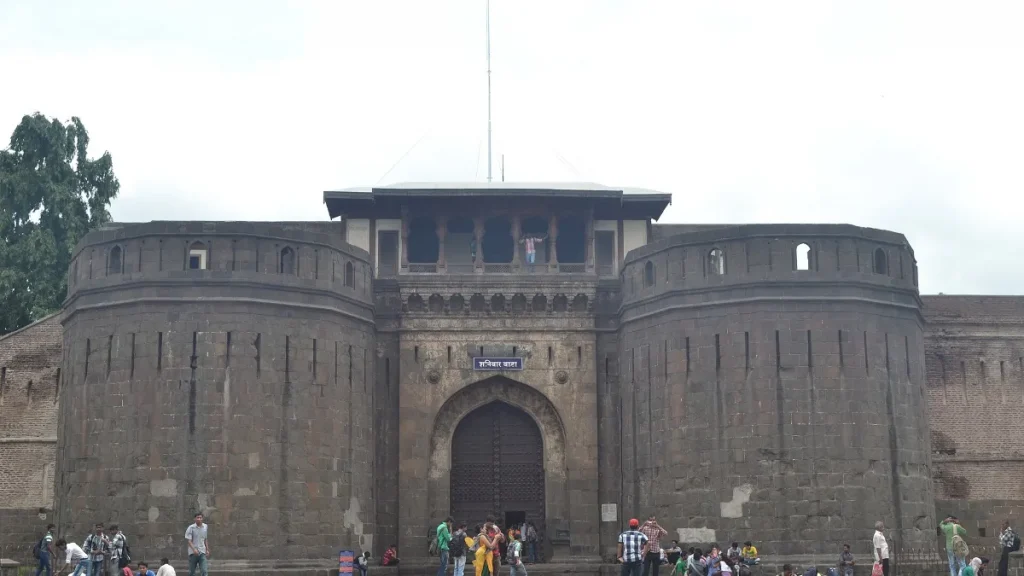
Photo: Aakash.gautam / CC BY-SA 3.0, via Wikimedia Commons
Every newcomer to Pune asks the same question sooner or later: why are so many neighbourhoods named after the days of the week? Somwar Peth, Mangalwar Peth, Budhwar Peth, Guruwar Peth, Shukrawar Peth, Shaniwar Peth and Raviwar Peth all sit within a few kilometres of each other in the heart of the city.
The answer takes you into Pune’s history as a market town, a seat of Maratha power and later the political capital of the Peshwas. The Peths are the old city. Their lanes still hold the wadas, temples, markets and institutions that shaped Pune, and they remain some of the most lived-in, busy and argued-about parts of the city.
This guide explains what a Peth is, how the old city grew, what each Peth is known for, and how to explore the area on foot.
Key takeaways
- A “peth” was a planned market quarter. Pune’s old city grew as a cluster of these quarters around the original settlement, Kasba Peth.
- Seven Peths are named after weekdays, linked to the day on which their weekly market was held.
- Others are named after people and deities: Sadashiv Peth after Sadashivrao Bhau, Narayan Peth after Narayanrao Peshwa, Nana Peth after Nana Phadnavis, Rasta Peth after the Raste family, and Ganesh and Bhavani Peth after the deities.
- Ganj Peth was renamed Mahatma Phule Peth in honour of social reformer Jyotirao Phule.
- Key landmarks include Shaniwar Wada, Lal Mahal, Kasba Ganpati, Vishrambaug Wada, Tulshibaug, Dagdusheth Ganpati, Mahatma Phule Mandai and Kesariwada.
In this guide
- Key dates in the story of the old city
- What is a Peth?
- How the old city grew
- Why seven Peths are named after weekdays
- Peths named after people and deities
- What each part of the old city is known for today
- Mahatma Phule Mandai: the market at the centre
- Living in the Peths today
- A walking route through the Peths
- The old city’s role in reform and freedom movements
- Puneri patya: the famous signs of the old city
- Frequently asked questions
Key dates in the story of the old city
| Year | What happened |
|---|---|
| 1630 | Jijabai arrives in Pune with the young Shivaji; the town is resettled and the Kasba Ganpati temple is associated with this period |
| 1730 to 1732 | Bajirao I lays the foundation of Shaniwar Wada in January 1730; the palace is completed in 1732 |
| 1761 | Sadashivrao Bhau leads the Maratha army at the Third Battle of Panipat; Sadashiv Peth carries his name |
| 1773 | Narayanrao Peshwa is murdered in Shaniwar Wada |
| 1818 | The British take control of Pune after the fall of the Peshwa |
| 1828 | A great fire destroys most of Shaniwar Wada, leaving its walls and gates |
| 1848 | Jyotirao and Savitribai Phule start a school for girls at Bhide Wada in Budhwar Peth |
| 1880s | The Reay Market, now Mahatma Phule Mandai, is built |
| 1892 to 1894 | Public Ganeshotsav mandals take shape in the Peths, with Lokmanya Tilak promoting the festival from 1893 |
What is a Peth?
In Marathi, a peth is a market quarter or trading neighbourhood. Historically, a ruler or a powerful noble would set aside land for a new peth, invite traders and artisans to settle there, offer them incentives, and fix a weekly market day. Over time the market became a full neighbourhood with homes, temples, wells and workshops.
Pune is often said to have 17 Peths, though lists differ slightly depending on whether newer areas such as Navi Peth are included. Together they form what Punekars call “gaon” or the old city, roughly the area bounded by the Mutha river to the north and west and stretching south towards Swargate.
How the old city grew
Pune’s story begins in Kasba Peth, the original settlement on the banks of the Mutha river. The word kasba refers to a town or administrative centre. Kasba Peth is home to the Kasba Ganpati, considered the presiding deity, or gramdaivat, of Pune.
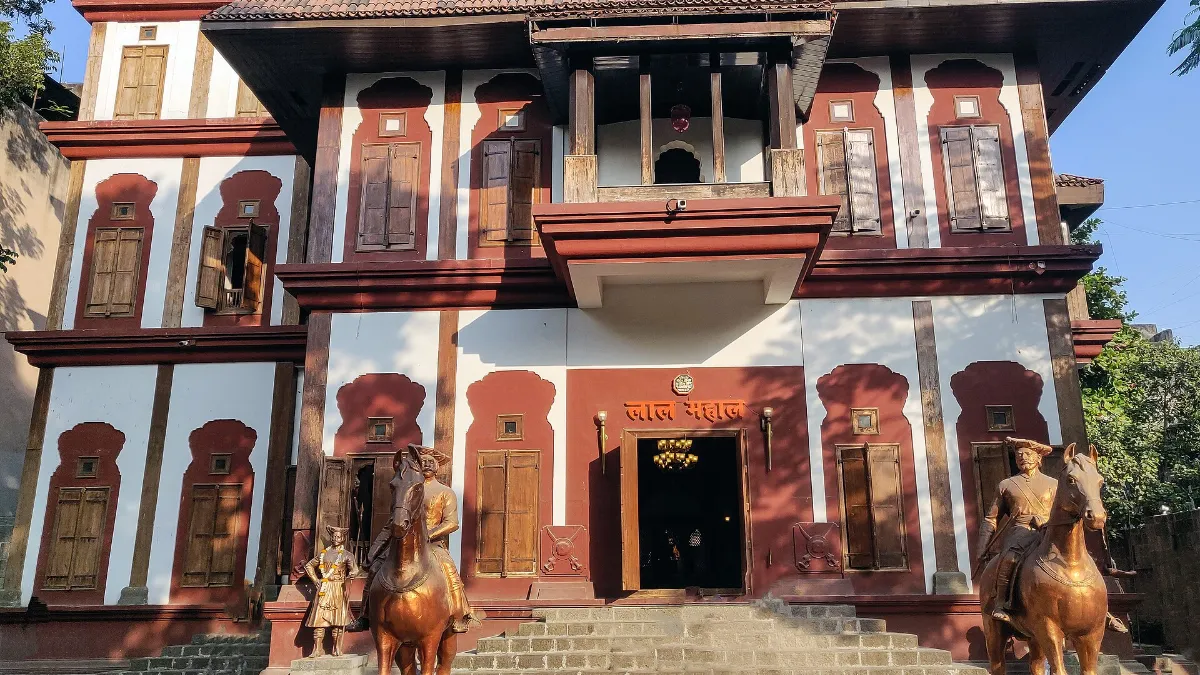
In 1630, Jijabai arrived in Pune with the young Shivaji. The town had been devastated in earlier conflicts, and under Jijabai and the administrator Dadoji Konddev, it was resettled. Lal Mahal, the residence built for Jijabai and Shivaji, stood near Kasba Peth; the structure you see today is a modern reconstruction on the site.
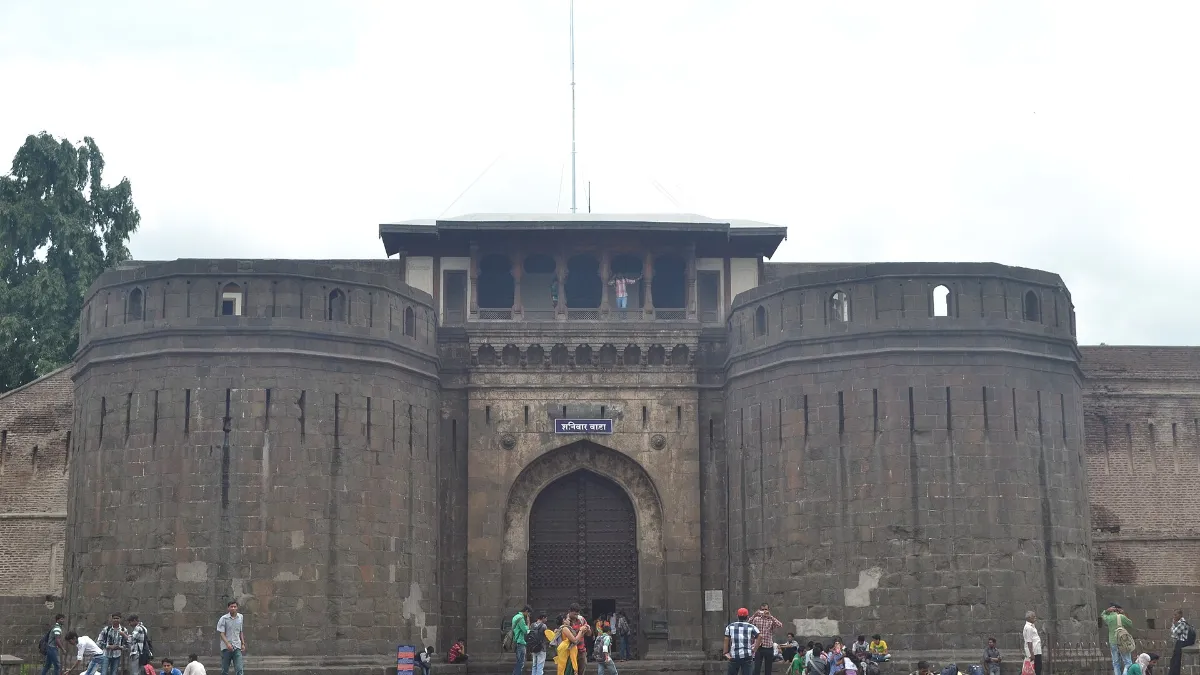
The biggest phase of growth came in the 18th century, when the Peshwas made Pune the political centre of the Maratha Empire. Bajirao I laid the foundation of Shaniwar Wada in January 1730 and the palace was completed in 1732. As the Peshwa court grew, so did the city: new Peths were laid out for traders, bankers, craftsmen, soldiers and the households of sardars, and Pune expanded steadily south and east of the river.
After the British took control in 1818, the old city remained the Marathi heart of Pune, while the cantonment (Camp) and civil lines grew separately to the east. Some Peths, such as Ganj Peth, were developed under British administration.
Why seven Peths are named after weekdays
The weekday Peths, Somwar (Monday), Mangalwar (Tuesday), Budhwar (Wednesday), Guruwar (Thursday), Shukrawar (Friday), Shaniwar (Saturday) and Raviwar (Sunday), are linked to the weekly market day of each quarter. Traders and buyers knew which neighbourhood held its bazaar on which day, so the market day became the area’s name.
The weekly markets have long since given way to permanent shops, but the names stuck. Today you can find a Monday Peth with no Monday market and a Wednesday Peth that is busy every day of the week.
Peths named after people and deities
The other Peths carry the names of the people who founded or sponsored them, or of local deities:
| Peth | Named after |
|---|---|
| Sadashiv Peth | Sadashivrao Bhau, the Maratha commander at the Battle of Panipat (1761) |
| Narayan Peth | Narayanrao Peshwa |
| Nana Peth | Nana Phadnavis, the influential Peshwa minister |
| Rasta Peth | The Raste family of sardars |
| Ghorpade Peth | The Ghorpade family of sardars |
| Ganesh Peth | The god Ganesh |
| Bhavani Peth | The Bhavani temple in the area |
| Mahatma Phule Peth (formerly Ganj Peth) | Social reformer Mahatma Jyotirao Phule |
| Navi Peth | “New” Peth, a later addition |
Historical sources give different founding dates for several Peths, and some accounts differ on who founded which quarter. What is clear is that most of them took shape between the 17th and late 18th centuries, during Maratha and Peshwa rule.
What each part of the old city is known for today
Kasba Peth
The oldest part of the city. Visit the Kasba Ganpati temple, the Lal Mahal site and the lanes leading to Shaniwar Wada. During Ganeshotsav, the Kasba Ganpati has the honour of leading the immersion procession as Pune’s first “Manacha Ganpati”.
Shaniwar Peth
Home to Shaniwar Wada, the seat of the Peshwas. The palace was largely destroyed in a great fire in February 1828 that burned for about a week; what survives are the massive stone walls, bastions and gateways, including the main Dilli Darwaza, Mastani Darwaza, Khidki Darwaza, Ganesh Darwaza and Narayan Darwaza. It was here, in 1773, that the young Narayanrao Peshwa was murdered, an event at the centre of many Pune legends. Shaniwar Peth also has old ghats on the river and several heritage wadas.
Budhwar Peth
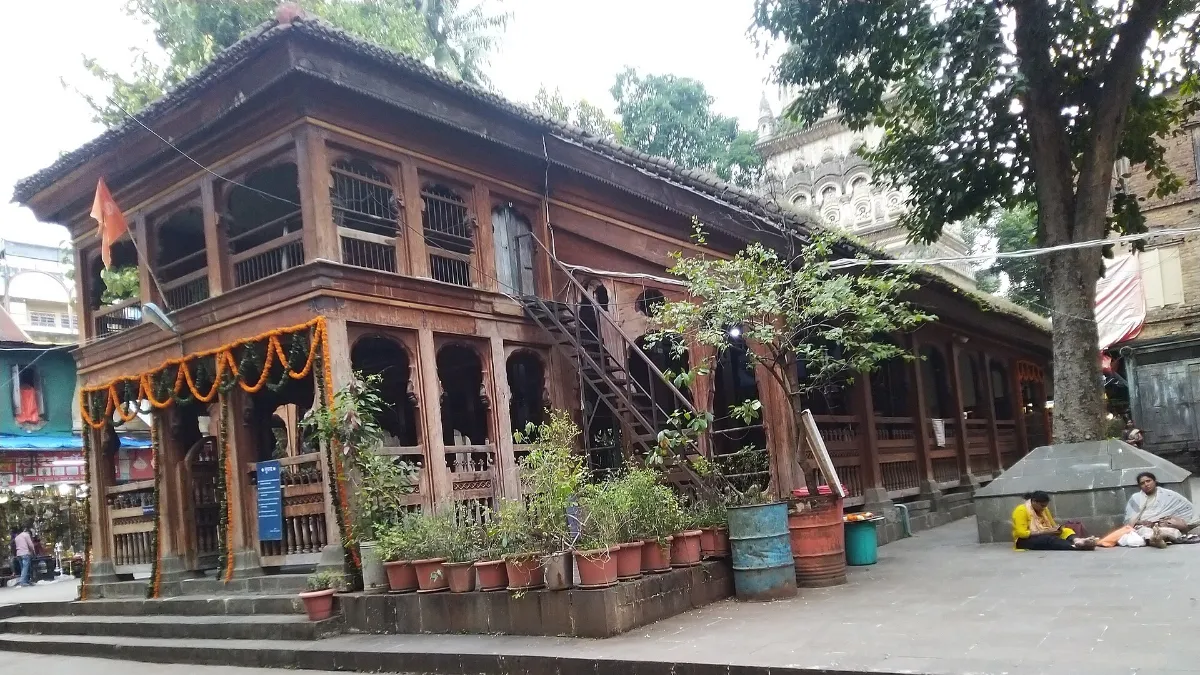
The busiest commercial Peth. It is home to the Dagdusheth Halwai Ganpati temple, the Tulshibaug market and Ram temple, the Tambdi Jogeshwari temple and the electronics, books and stationery shops around Appa Balwant Chowk. Bhide Wada, where Jyotirao and Savitribai Phule started one of the first schools for girls in India in 1848, stood here; the site is being developed as a national memorial.
Shukrawar and Raviwar Peth
Shukrawar Peth includes much of the Mandai area and Bajirao Road, and the Raja Dinkar Kelkar Museum, with its large collection of everyday objects and art from across India. Raviwar Peth is a trading hub, with Bohri Ali known for hardware, household goods and bangles, and wholesale markets for utensils and textiles.
Sadashiv and Narayan Peth
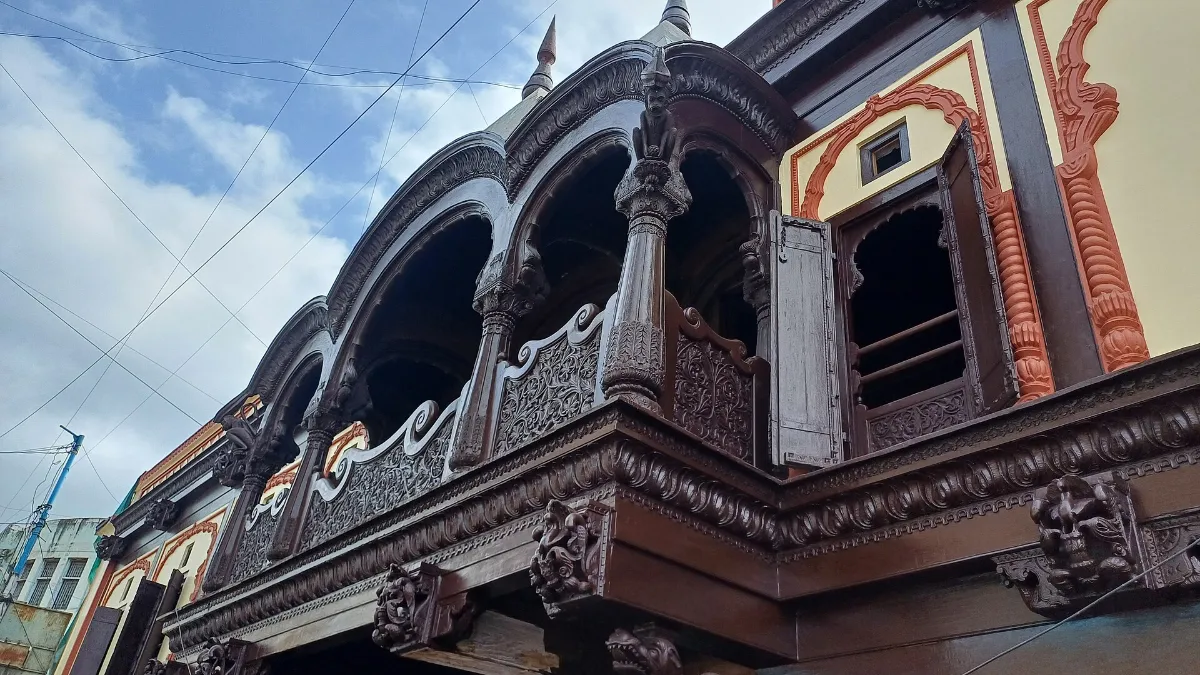
Sadashiv Peth is associated with Pune’s educated middle class, coaching classes, old bookshops and some of the city’s best-known traditional eateries. Vishrambaug Wada, built by Peshwa Bajirao II in the early 19th century, stands on Bajirao Road and is known for its carved wooden facade. Narayan Peth is home to Kesariwada, the base of Lokmanya Tilak’s newspaper Kesari, and its Ganeshotsav is one of the five Manache Ganpati.
Mahatma Phule Peth and Ganesh Peth
Mahatma Phule Peth is home to Phule Wada, the house of Jyotirao and Savitribai Phule, now a memorial. Ganesh Peth is known for its wholesale markets, including spices, dry fruits and the old fish market area.
Mahatma Phule Mandai: the market at the centre
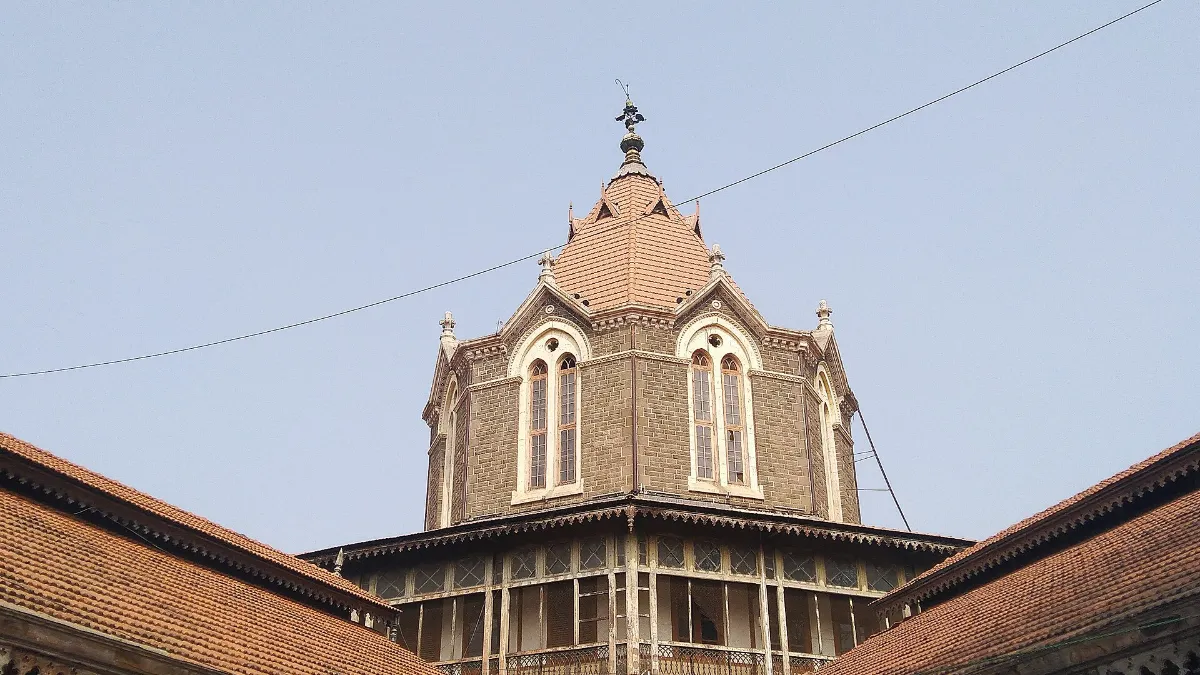
The Mahatma Phule Mandai, Pune’s grand old vegetable and fruit market, is one of the most recognisable buildings in the Peths. It was built in the 1880s during British rule and was originally named Reay Market after Lord Reay, the Governor of Bombay. It was later renamed in honour of Mahatma Phule. The octagonal central hall with its tall tower is still full of vendors selling vegetables, fruit and flowers, and the surrounding lanes are packed during festivals.
Living in the Peths today
The Peths are not a museum. They are home to lakhs of people, many in old wadas that have been redeveloped into apartment buildings. Life here comes with trade-offs:
- Pros: Walking distance to markets, temples, schools and colleges; strong community life; excellent public transport including Metro stations at Mandai, Kasba Peth and nearby Swargate; the city’s best festival atmosphere.
- Cons: Narrow lanes, heavy traffic and very limited parking; congestion during Diwali and Ganeshotsav; old buildings with maintenance problems.
Many old wadas are protected as heritage structures by the Pune Municipal Corporation, which limits what owners can change, while others have been demolished for redevelopment. The balance between preserving the old city and allowing families better housing is one of Pune’s long-running civic debates.
A walking route through the Peths
The best way to understand the Peths is on foot, early in the morning before traffic builds. A route of about 4 to 5 km covers the highlights:
- Start at Shaniwar Wada when it opens and walk around the walls.
- Walk south to the Kasba Ganpati temple and the Lal Mahal site.
- Continue to Tambdi Jogeshwari and the Dagdusheth Halwai Ganpati temple in Budhwar Peth.
- Wander through Tulshibaug and on to Mahatma Phule Mandai.
- Walk along Bajirao Road to Vishrambaug Wada.
- End with breakfast at a traditional eatery in Sadashiv or Narayan Peth.
Several organisations run guided heritage walks in the Peths, especially on weekends, and these are worth joining for the stories you will not find on signboards. Wear comfortable shoes and carry water. For food stops along the way, see our Pune food guide.
Local tip: Avoid driving into the Peths during Diwali and Ganeshotsav. Traffic police often restrict vehicles in the market areas; our story on Diwali traffic rules in the Peths shows how these restrictions work.
The old city’s role in reform and freedom movements
The Peths were not only a seat of power. They were also where some of the most important social and political movements in western India took shape.
Jyotirao and Savitribai Phule ran their schools for girls and for children from oppressed castes in these lanes in the mid-19th century, at a time when this was deeply controversial. Their home in what is now Mahatma Phule Peth is preserved as a memorial.
Later in the 19th century, Lokmanya Tilak’s newspapers Kesari and Mahratta, run from Narayan Peth, became among the strongest voices against British rule, and the public Ganeshotsav and Shiv Jayanti celebrations he promoted brought people together on the streets of the old city. Reformers such as Gopal Ganesh Agarkar and Mahadev Govind Ranade also lived and worked in Pune, and the debates between reformers and nationalists were argued out in the city’s newspapers, schools and public meetings.
Educational institutions founded in this period, including those of the Deccan Education Society, grew from the old city’s ferment and helped earn Pune the title “Oxford of the East”.
Puneri patya: the famous signs of the old city
No guide to the Peths is complete without the Puneri patya, the blunt, witty and sometimes sarcastic signboards on old homes and shops. “Ring the bell only once”, “Do not ask for change”, “Shop closed between 1 and 4” and many more variations have become part of Pune’s identity and a source of endless jokes. They reflect the old-city culture of clear rules, sharp humour and pride in doing things a certain way.
Frequently asked questions
Why are Pune’s Peths named after days of the week?
Seven of Pune’s Peths, from Somwar to Raviwar, are named after the weekday on which their weekly market was held. The markets have long been replaced by permanent shops, but the names remain.
How many Peths are there in Pune?
Pune is usually said to have 17 Peths, including the seven weekday Peths and others such as Kasba, Sadashiv, Narayan, Nana, Rasta, Ghorpade, Ganesh, Bhavani, Mahatma Phule and Navi Peth. Lists vary slightly between sources.
Which is the oldest Peth in Pune?
Kasba Peth is the oldest part of Pune. It is home to the Kasba Ganpati, the presiding deity of the city, and was the original settlement on the Mutha river.
What is Mahatma Phule Peth’s old name?
Mahatma Phule Peth was earlier called Ganj Peth. It was renamed in honour of social reformer Mahatma Jyotirao Phule, whose home, Phule Wada, is in the area.