
Harbhara Cultivation Guide for Maharashtra: MPKV Varieties, Sowing Dates, Seed Rate and Pod Borer Control
How to grow harbhara (gram) in Maharashtra: MPKV varieties, irrigated and late sowing dates, seed rate per acre, seed treatment and pod borer control.
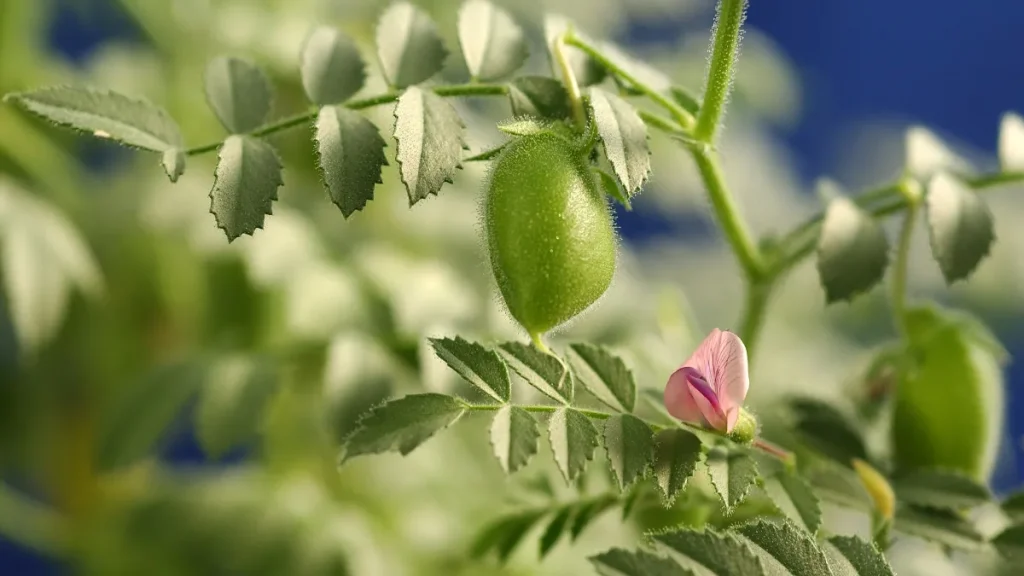
Photo: Carl Davies, CSIRO / CC BY 3.0, via Wikimedia Commons
Last updated: 24 November 2026
Harbhara (gram or chickpea) is Maharashtra’s largest rabi crop by area, and good harbhara cultivation depends on three things: a wilt-resistant variety, the right sowing date and timely control of the pod borer. This guide brings together the recommendations of Mahatma Phule Krishi Vidyapeeth (MPKV), Rahuri.
This year, sowing is far behind. Only about 7% of the normal harbhara area had been sown by mid-November because of drought, according to Agriculture Department figures, so many farmers will sow late.
When to sow harbhara
According to MPKV’s pulses recommendations:
- Rainfed: 20 September to 10 October
- Irrigated: 20 October to 10 November
- Late sown: first week of December
Rainfed harbhara needs moisture left after the monsoon. In a dry year like this one, rainfed sowing is risky, so farmers with one or two protective irrigations are better placed.
Which variety to choose
MPKV’s main harbhara varieties:
- Phule Vikram (2016): tall, suits mechanical harvesting, wilt resistant. Fits rainfed, irrigated and late sowing. Average yield about 16 quintals a hectare rainfed, 22 irrigated and 21 late sown. Seed rate 30 kg an acre.
- Digvijay (2006): bold seed, wilt resistant, for rainfed, irrigated and late sowing. About 14 quintals rainfed, 23 irrigated, 21 late sown. Seed rate 35 to 40 kg an acre.
- Vijay (1993): wilt resistant and drought tolerant, widely grown. About 14 quintals rainfed, 23 irrigated. Seed rate 30 kg an acre.
- Vishal (1995): bold seed for irrigated fields in western Maharashtra. Seed rate 35 to 40 kg an acre.
Most of these mature in 105 to 110 days, so a crop sown in early December is harvested by about late March. For a late sowing this year, Phule Vikram and Digvijay are good options.
Seed treatment before sowing
Wilt and root rot are the main soil-borne diseases of harbhara. Treat seed with the bio-fungicide Trichoderma at 4 grams per kg of seed, as recommended in the TNAU chickpea IPM guide, followed by Rhizobium culture as per the packet’s instructions. Rhizobium helps the plant fix nitrogen, which reduces fertiliser needs.
Water management
Harbhara needs little water compared with wheat, which is why it suits a drought year. Where irrigation is available, light watering at branching and at pod formation helps most. Avoid flooding, as waterlogging encourages wilt. Ask your KVK for the irrigation schedule suited to your soil.
Controlling the gram pod borer
The pod borer (ghate ali) caterpillar eats into pods and can cause heavy losses. An integrated approach works best:
- Pheromone traps: install 5 traps a hectare, about 50 metres apart, and change the lure every 15 to 20 days.
- Bird perches: put up T-shaped perches in the field so birds can sit and pick off caterpillars.
- Biological sprays: at flowering and pod formation, use NPV or *Bacillus thuringiensis* (Bt), or neem seed kernel extract (NSKE) at 5%.
- Chemical spray only if needed: if larvae numbers stay high despite these steps, use a recommended insecticide on the advice of your agriculture officer.
Check the crop regularly from flowering onwards. Early action saves both money and the crop.
Harvest and storage
Harvest when most leaves turn yellow and the pods are dry. Dry the grain well in the sun before storing it, since moist grain attracts pulse beetles. Store in clean, airtight bags or bins off the floor, and check stored grain every few weeks.
Selling your harbhara
The rabi MSP for 2027-28 sets the support price for gram harvested next year. Before sowing, test your soil to avoid unnecessary fertiliser; see our soil health card guide.
*Yields are average figures from university trials. Consult your KVK or taluka agriculture officer for advice suited to your field.*
Frequently asked questions
When should harbhara be sown in Maharashtra?
MPKV recommends 20 September to 10 October for rainfed, 20 October to 10 November for irrigated and the first week of December for late sowing.
Which harbhara variety is best?
Phule Vikram and Digvijay are wilt resistant and suit rainfed, irrigated and late sowing; Phule Vikram also suits machine harvesting.
What is the seed rate for harbhara per acre?
About 30 kg an acre for Vijay and Phule Vikram, and 35 to 40 kg an acre for the bold-seeded Vishal and Digvijay.
How do I control pod borer in gram?
Use 5 pheromone traps a hectare, bird perches, and NPV, Bt or neem sprays at flowering, with chemicals only if needed.