Karla and Bhaja Caves Guide: India’s Largest Rock-Cut Chaitya, 2,000-Year-Old Buddhist Caves Near Lonavala
Karla and Bhaja near Lonavala have some of India’s oldest Buddhist rock-cut caves. A guide to the Great Chaitya, the Bhaja caves and a trip from Pune.
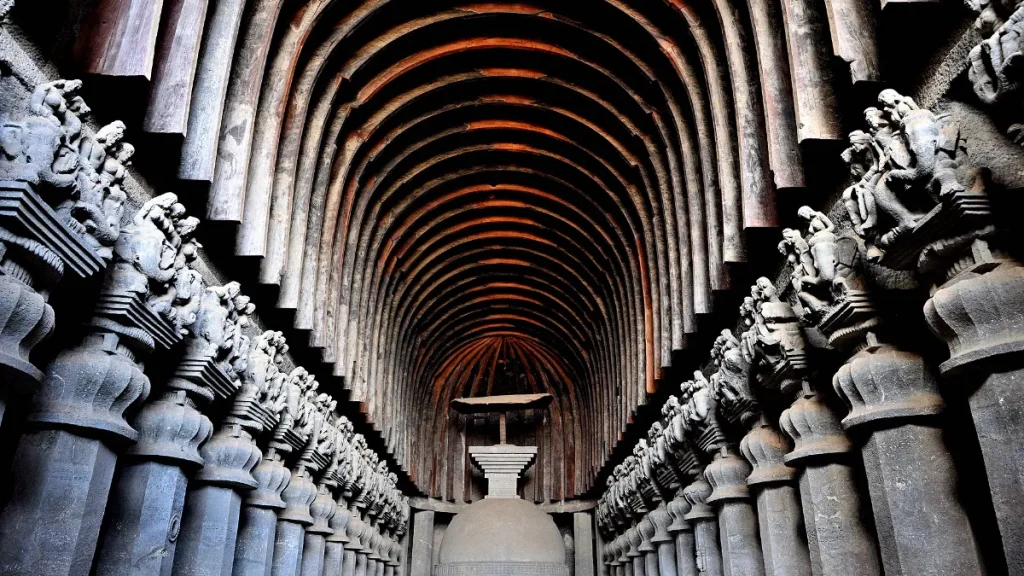
Photo: Sharvarism / CC BY-SA 4.0, via Wikimedia Commons
Last updated: 21 November 2026
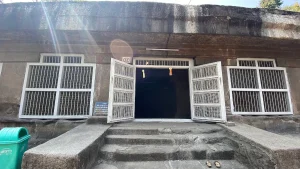
On the hills around Lonavala, a short drive from Pune, are some of the oldest Buddhist cave temples in India. The Karla caves have the largest rock-cut chaitya hall in the country, and the Bhaja caves across the valley date back to the 2nd century BCE.
Quick facts
- Karla caves: About 60 km from Pune and about 11 km from Lonavala
- Bhaja caves: Near Bhaje village, a short walk from Malavli station
- Age: 2nd century BCE onwards
- Protection: Both are protected by the Archaeological Survey of India
Karla caves and the Great Chaitya
The highlight at Karla is the Great Chaitya (Cave 8), dated to roughly 50 to 70 CE. According to Wikipedia’s entry on Karla, it is the largest rock-cut chaitya hall in India and the most completely preserved of its period, about 45 m long and up to 14 m high.
Inside, a long nave of carved pillars leads to a stupa. The pillars have capitals with elephants, men and women. The large horseshoe-shaped window at the entrance lets light fall on the stupa. Look for the sculpted couples on the entrance wall.
Next to the caves is the temple of the goddess Ekvira, worshipped especially by the Aagri and Koli communities of the Mumbai coast. On busy days, the steps up are crowded with devotees heading to the temple.
Bhaja caves
Across the valley, near Bhaje village, are 22 rock-cut caves from the 2nd century BCE, according to Wikipedia’s entry on Bhaja. Highlights include:
- Cave XII: The main chaitya hall, with a barrel-vaulted ceiling and wooden ribs, among the earliest surviving chaitya halls in India
- The stupa group: 14 stupas, five inside and nine outside a rock shelter, holding relics of resident monks
- Carvings: Early relief sculptures on the walls
The Bhaja caves are on the way to Lohagad, so many trekkers visit both. Read our Lohagad trek guide.
Tips for your visit
- Both sites involve climbing steps. Karla has a longer flight.
- Carry water and wear comfortable shoes.
- Respect the caves: do not touch carvings, scratch walls or climb on stupas.
- ASI monuments charge a small entry fee. Check the current rate at the counter.
- Weekday mornings are quieter. Weekends and Ekvira festival days at Karla get crowded.
How to reach from Pune
- By road: Take the old Mumbai-Pune highway towards Lonavala. The Karla turn-off is near Karla village, and Bhaja is reached from the Malavli side.
- By train: Take a Pune-Lonavala local. Get off at Malavli for Bhaja, or continue to Lonavala and take an auto to Karla.
You can see both in one day. Start with Bhaja in the morning and do Karla in the afternoon, or add Lohagad if you are fit.
Best time to visit
October to February is pleasant. In the monsoon, the hills turn green and small waterfalls appear, but steps get slippery. For more ideas near Lonavala, read our weekend getaways near Pune guide.
Frequently asked questions
How old are the Karla caves?
The oldest shrines date to the 2nd century BCE, and the Great Chaitya to about 50 to 70 CE.
What is special about the Karla Great Chaitya?
It is the largest rock-cut chaitya hall in India, about 45 m long and 14 m high.
How many caves are there at Bhaja?
There are 22 rock-cut caves at Bhaja.
Can I see Karla and Bhaja caves in one day from Pune?
Yes. Both are near Lonavala and can be covered in a day trip by road or local train.