Israel Election 2026 Results: Netanyahu’s Likud Largest With 27 Seats but His Bloc Stuck at 53; Eisenkot’s Bloc at 48 as Neither Side Reaches 61
Likud won the most seats in Israel’s 27 October election, but neither Netanyahu’s bloc nor Eisenkot’s has a majority. Seat counts, what happens next and why India is watching.
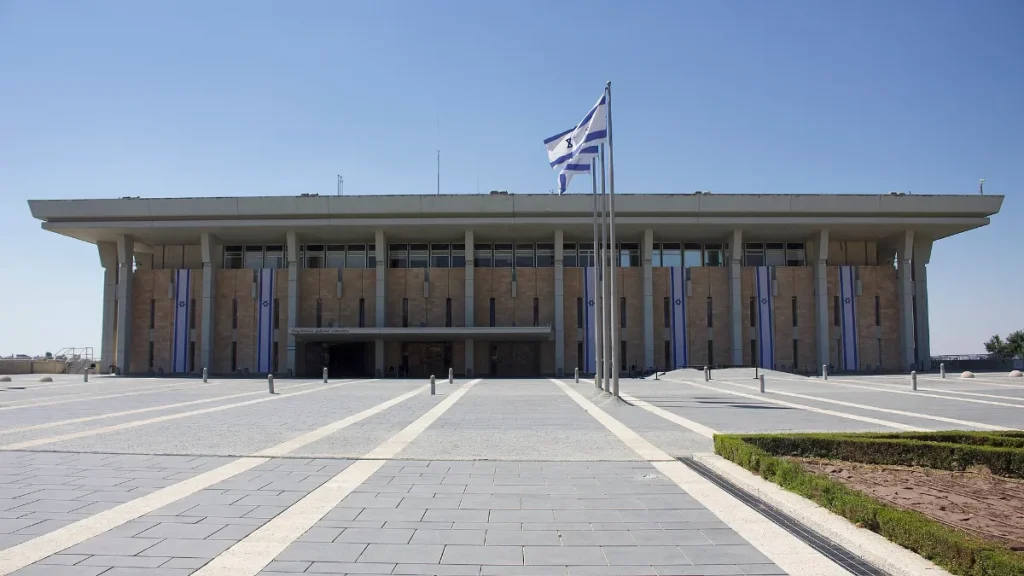
Photo: Clema12 / CC BY-SA 4.0, via Wikimedia Commons
Pune, 2nd November 2026: Israel’s first general election since the 7 October 2023 Hamas attack and the war that followed has ended without a clear winner. Prime Minister Benjamin Netanyahu’s Likud is again the largest party in the 120-seat Knesset with 27 seats, according to the count released by the Central Elections Committee after polling on 27 October. But his right-wing and religious bloc has only 53 seats, eight short of a majority.
The main challenger, former army chief Gadi Eisenkot, leads a bloc of 48 seats, 13 short of the 61 needed. The two Arab-led parties hold 19 seats between them, and both Netanyahu and Eisenkot have ruled out depending on them to form a government.
The main numbers
- Likud (Benjamin Netanyahu): 27
- Yashar (Gadi Eisenkot): 21
- Beyachad (Naftali Bennett’s list): 12
- Joint List and Ra’am (Arab-led parties): 19 together
- Netanyahu’s bloc (Likud, Shas, United Torah Judaism, Religious Zionism, Otzma Yehudit): 53
- Eisenkot’s bloc (Yashar, Beyachad, Yisrael Beytenu, the Democrats): 48
- Turnout: 77.7%, up 7.1 points from 2022, according to the elections committee
Reports carry slightly different party-wise figures because the count was preliminary and an integrity review was pending. Official results are due on 4 November. Parties need 3.25% of the vote to win any seats, and two lists fell short.
What happens next
Once the results are certified, President Isaac Herzog will hold consultations with every party that won seats and ask them whom they recommend as prime minister. He then gives the mandate to the member most likely to build a majority. That person has 28 days to form a coalition, with a possible 14-day extension. If nobody manages it, Israel could head to yet another election, which would be its seventh since April 2019.
Netanyahu remains caretaker prime minister in the meantime. With neither bloc near 61, talk of a national unity government between Likud and Eisenkot’s party has already started, including calls from some mayors. Reports also say the United States has been pressing for a unity arrangement. Neither leader has publicly agreed to one yet.
Why India is watching
India and Israel have close defence, technology and agriculture ties, and India has a large stake in the region’s stability. Lakhs of Indians work across West Asia, and Indian workers have travelled to Israel in recent years under government-to-government arrangements in construction and caregiving. The India-Middle East-Europe Economic Corridor (IMEC), which aims to link Indian ports to Europe through the Gulf and Israel, also depends on a calmer region.
A long period of caretaker government in Israel is unlikely to change India’s relationship, which has stayed steady across governments in both countries. But the shape of the next coalition will affect Gaza policy, ties with Gulf states and the corridor’s prospects.
For another big election this week, read our explainer on the US midterm elections on 3 November. More international news is in our world section.
Frequently asked questions
Who won the Israel election 2026?
Likud, led by Benjamin Netanyahu, won the most seats with 27, but no bloc has the 61 seats needed for a majority in the 120-seat Knesset.
When will Israel’s official election results be declared?
Official results are due on 4 November 2026, after an integrity review.
How many seats are needed to form a government in Israel?
A majority of 61 out of 120 seats in the Knesset.
Who is Gadi Eisenkot?
A former chief of staff of the Israel Defence Forces who leads the Yashar party and the main opposition bloc in the 2026 election.