How to Get a Soil Health Card and Test Your Soil in Pune District: 12 Parameters, Where to Give Samples and How to Read the Report
A Soil Health Card tests your farm soil for 12 parameters including N, P, K, pH and micronutrients, with fertiliser advice. Apply through your agriculture office.
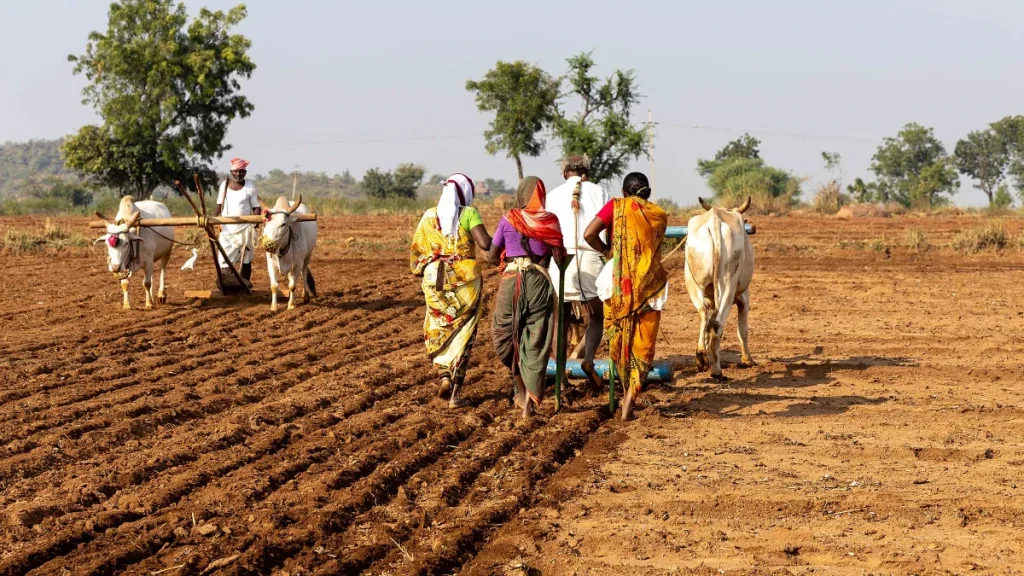
Photo: Nanditha Gogate, WELL Labs / CC BY-SA 4.0, via Wikimedia Commons
A Soil Health Card tells you the nutrient status of your farm soil across 12 parameters and recommends how much fertiliser and soil amendments to use for each crop. Samples are collected through your taluka agriculture office or an authorised village-level entrepreneur, tested at a soil testing lab, and the card is generated on soilhealth.dac.gov.in, where you can download it.
The scheme was launched in February 2015 and is now part of the Rashtriya Krishi Vikas Yojana’s Soil Health and Fertility component.
The 12 parameters
| Type | Parameters |
|---|---|
| Major nutrients | Nitrogen (N), Phosphorus (P), Potassium (K), Sulphur (S) |
| Micronutrients | Zinc, Iron, Copper, Manganese, Boron |
| Soil condition | pH, electrical conductivity (EC), organic carbon (OC) |
How to get your soil tested
- Contact your agriculture assistant or taluka agriculture office, or a Krishi Vigyan Kendra such as KVK Baramati or Narayangaon.
- Collect the sample after harvest, when no crop is standing: take soil from 8 to 10 spots in a zigzag across the field, 15 cm deep, mix it, and keep about half a kilo.
- Avoid bunds, compost pits and spots near trees.
- Label the bag with your name, survey number and village, and hand it over.
- Download your card from soilhealth.dac.gov.in or the Soil Health Card app when ready.
Samples are usually taken after the kharif or rabi harvest, which makes November a good time in Pune district.
Reading the card
- pH: 6.5 to 7.5 suits most crops.
- Organic carbon: low values mean the soil needs farmyard manure or green manure.
- Fertiliser advice: follow the recommended doses; they often show you can cut urea or DAP and save money.
Why it matters this year
After a drought-hit kharif in eastern talukas, testing before rabi sowing helps avoid spending on fertiliser your soil does not need. Read which Pune talukas are drought-hit, and see this season’s rabi MSP.
Frequently asked questions
How can I get a Soil Health Card?
Through your taluka agriculture office or an authorised sample collector; the card is generated on soilhealth.dac.gov.in after lab testing.
How many parameters are tested in a Soil Health Card?
Twelve: N, P, K, S, zinc, iron, copper, manganese, boron, pH, EC and organic carbon.
When should I collect a soil sample?
After harvest, when no crop is standing, from several spots in the field at about 15 cm depth.
How do I download my Soil Health Card?
From soilhealth.dac.gov.in or the Soil Health Card app, using your details or sample number.