World Bank: India’s Extreme Poverty Fell From 27.1% in 2011 to 2.6% in 2023, One of the Fastest Declines in the World; Youth Jobs Remain a Worry
The World Bank’s October 2026 brief says India’s extreme poverty dropped from 27.1% to 2.6% between 2011 and 2023. What the numbers mean and what the report warns about.
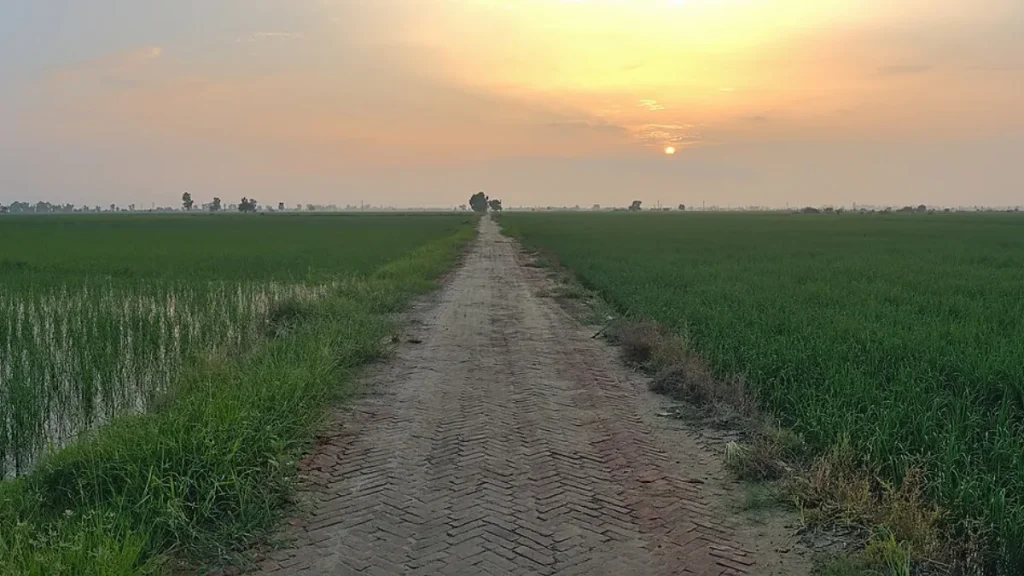
Photo: UnpetitproleX / CC BY-SA 4.0, via Wikimedia Commons
Pune, 1st November 2026: The share of Indians living in extreme poverty fell from 27.1% in 2011 to 2.6% in 2023, according to the World Bank’s latest Poverty and Equity Brief for India, released at the end of October. The Bank called it “one of the fastest poverty declines in the world”. The figure was among the most shared news items in India on X this week.
It is a striking number, and it deserves to be read carefully: what it measures, what it does not, and what the same report says about jobs.
The key numbers
- Extreme poverty, measured at the World Bank’s international poverty line: 27.1% in 2011, 2.6% in 2023
- Poverty at the lower-middle-income line of USD 4.20 a day (2021 prices adjusted for purchasing power): 57.7% in 2011, 16.1% in 2023
- People lifted out of poverty between 2011 and 2023: an estimated 496 million (49.6 crore)
- Projection: poverty at the USD 4.20 line could fall from 14.2% in 2026 to 12.1% by 2028
- Multidimensional poverty, which looks at health, education and living standards: the World Bank’s own measure was 15.5% in 2022-23
The lower-middle-income line is the more relevant one for a country at India’s income level. By that yardstick, about one in six Indians was still poor in 2023.
What drove the fall
The World Bank points to three things: strong growth in household consumption, more people in work, especially women, and larger social transfers, including free and subsidised food grains under the public distribution system. Employment rose by about 134 million between 2017 and 2023, almost twice the growth of the working-age population.
The warning signs in the same report
The report is not all good news:
- Youth unemployment rose from 14.6% in the first quarter of FY26 to 15.9% in the first quarter of FY27.
- Real earnings were broadly flat, and much of the job growth was in low-productivity activities.
- Poverty is concentrated: about 57% of India’s poor live in a belt running from Uttar Pradesh to West Bengal.
- Measurement matters: estimates rely on household consumption surveys, and the Bank says some recent gains may reflect changes in survey methods rather than real improvements in welfare.
Critics of earlier World Bank figures on India have also argued that survey changes overstated the fall in poverty. That debate is likely to continue.
What it means for Maharashtra
Maharashtra is one of India’s richer states, but poverty here is uneven. Districts in Marathwada and parts of Vidarbha and north Maharashtra lag well behind Pune, Mumbai and Thane. This year’s weak monsoon and the drought declared in 265 talukas will test rural incomes, which is why the next round of data will be worth watching. Read our report on dam storage across the Pune region for how the dry year is playing out locally.
For other national stories, see our India section.
Frequently asked questions
What is India’s extreme poverty rate according to the World Bank?
2.6% in 2023, down from 27.1% in 2011, according to the World Bank’s October 2026 Poverty and Equity Brief.
How many people did India lift out of poverty between 2011 and 2023?
An estimated 496 million people, according to the World Bank.
What poverty line does the World Bank use for lower-middle-income countries?
USD 4.20 a day at 2021 purchasing power parity. India’s poverty rate at this line was 16.1% in 2023.