What Is TDR in Pune? Transferable Development Rights Explained, and Why Corporators Say Less TDR Hurts Road Projects
TDR lets Pune landowners hand over land for roads, gardens or schools in return for building rights they can sell. How it works, types and current debates.
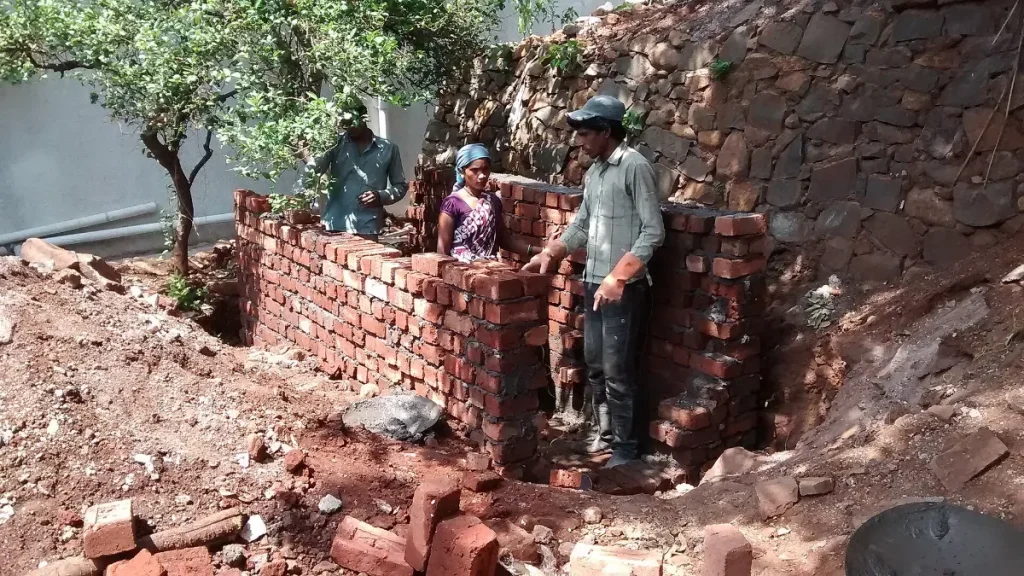
Photo: कल्याणी कोतकर / CC BY-SA 4.0, via Wikimedia Commons
Last updated: 23 November 2026
Quick answer: TDR, or Transferable Development Rights, is a way for the civic body to get land without paying cash. A landowner hands over land needed for a road, garden, school or other public use, and in return gets a certificate for built-up area that can be used on another plot or sold to builders.
TDR has been in the news in Pune after corporators said the city is getting less land through TDR than it used to.
How TDR works, step by step
- The development plan reserves a plot, say for a road widening or a playground.
- The owner surrenders that land to the PMC or PCMC, free of encumbrances.
- In return, the civic body issues a development rights certificate showing the built-up area the owner is entitled to.
- The owner can use that area on another plot, or sell the certificate to a developer.
- The developer uses it to build more on a different plot, within the limits allowed there.
The idea, as NITI Aayog’s TDR guidelines describe, is to save cities the large cash cost of land acquisition while keeping owners’ building rights intact.
Common types of TDR
- Road TDR: for land given up for new roads or road widening
- Reserved plot TDR: for land reserved for parks, schools, hospitals or other amenities
- Slum TDR: generated through slum rehabilitation projects
TDR and FSI: the connection
FSI, or floor space index, is the ratio of built-up area to plot area. TDR is one of the ways a developer can build above the basic FSI of a plot, along with premium FSI bought by paying the civic body. More TDR used in an area means taller or denser buildings there, which is why TDR is closely linked to debates on traffic, water and parking.
Why TDR is in the news in Pune
At a recent PMC general body meeting, House Leader Ganesh Bidkar said premium FSI has raised revenue, but fewer land deals through TDR have made it harder to get land for development works. Read our report on corporators’ demand to change Pune’s FSI rules.
In Pimpri-Chinchwad, 63 plots the PCMC had acquired through TDR for gardens and playgrounds were later encroached because they were left unused; see our story on PCMC’s encroached reserved plots.
What it means for home buyers
If a project uses TDR, its height and density may be higher than nearby older buildings. Check the sanctioned plan, the FSI and TDR used, and the parking provided before you buy. This is general information, not legal or financial advice.
Frequently asked questions
What is TDR in real estate in Pune?
TDR is a certificate of building rights given to a landowner who hands over land for public use, which can be used elsewhere or sold to builders.
Can TDR be sold in Pune?
Yes. TDR certificates are transferable and are usually sold to developers who use them on other plots.
What is the difference between TDR and FSI?
FSI is the permitted ratio of built-up area to plot area. TDR is one way to add built-up area beyond the basic FSI, using rights transferred from another plot.