Agniveer Two-Year Extension Explained: Up to 6 Years of Service and a Second Chance at a Permanent Job
The Union Cabinet has approved a two-year extension for Agniveers. Here is how the new Agnipath rules work, who qualifies and what it means for aspirants.
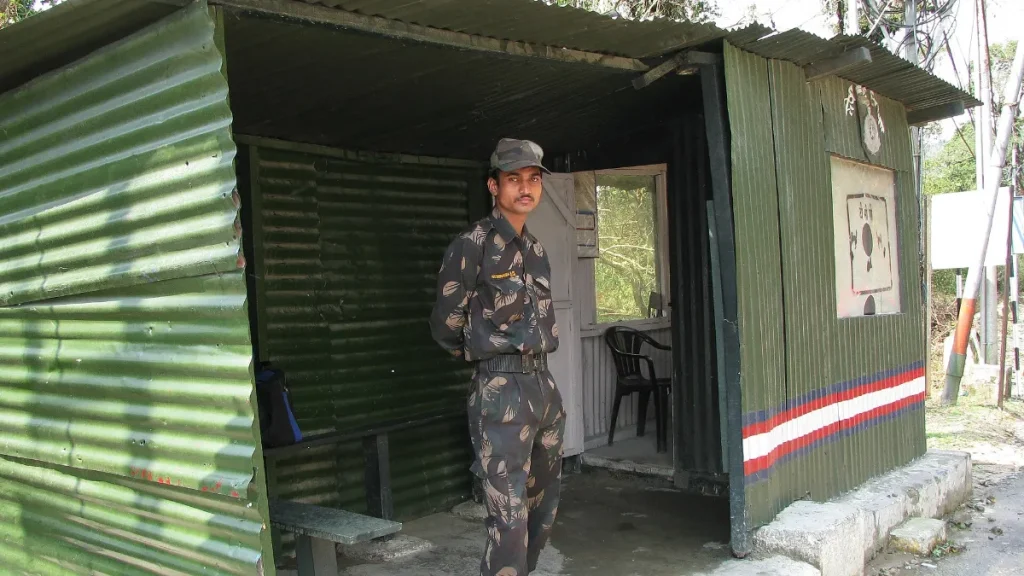
Photo: shankar s. from sharjah, united arab emirates / CC BY 2.0, via Wikimedia Commons
Pune, 14th November 2026: Agniveers who are not made permanent after their four-year term will now get the option of a two-year extension of service, followed by a chance to join as regular soldiers, under a revised Agnipath framework approved by the Union Cabinet. The change matters right away: the first batch of about 18,300 Agniveers completes its four years in December, All India Radio reported.
The Cabinet approved the change on November 4, after an assessment of four years of the scheme.
How the new Agniveer rules work
| Stage | What happens |
|---|---|
| Years 1 to 4 | Initial Agniveer engagement, as before |
| After 4 years | Top 25% get regular employment on merit, as under the original scheme |
| Remaining 75% | Can opt for a further two-year engagement, if willing and recommended |
| After 6 years | Willing Agniveers who meet the selection criteria are offered enrolment as regular soldiers |
The second engagement comes with higher monthly pay, an enhanced Seva Nidhi package and seniority benefits, the government said, as reported by Punekar News. Exact pay figures have not been published.
Why the government changed the scheme
The original Agnipath scheme, launched in 2022, released 75% of each batch after four years with a Seva Nidhi lump sum. That drew criticism over job security and the loss of trained soldiers. The defence ministry said its review looked at organisational needs, operational efficiency and Agniveers’ performance in skills, fitness and adapting to technology.
What changes for Agniveers already in service
The first batches recruited in 2022 and 2023 are the ones who benefit first. Instead of leaving with only a Seva Nidhi payout after four years, most of them can now choose to stay on for two more years with better pay and seniority, then try again for a permanent post. Those who do not want to continue can still leave after four years as before.
What it means for aspirants in Pune and Maharashtra
Pune is home to the Army’s Southern Command headquarters and several training establishments, and the Army Recruiting Office in Pune runs recruitment rallies for districts across western Maharashtra. For young people from Pune, Satara, Sangli and Kolhapur preparing for the next Agniveer rally, the new rules make the job far closer to a full career than before.
Candidates should still prepare for the same written test, physical test and medical standards. The extension does not change entry rules.
What is still not clear
The ministry has not published the revised pay table, the size of the enhanced Seva Nidhi or the detailed selection criteria for the final permanent enrolment. We will update this explainer when the notification is issued. For more jobs news, see our jobs and careers section, and our earlier piece on the Indian Army internship at Southern Command Pune.
Frequently asked questions
How many years can an Agniveer now serve?
Up to six years: the original four-year term plus an optional two-year extension for those not retained after four years.
What percentage of Agniveers become permanent after four years?
The top 25% are offered regular employment on merit after four years, as before.
What happens after the two-year extension?
Willing Agniveers who meet the selection criteria will be offered enrolment as regular soldiers.
When does the first Agniveer batch finish four years?
The first batch of about 18,300 Agniveers completes its four-year term in December 2026, according to All India Radio.