What Is An MLC Election? Graduates’ And Teachers’ Constituencies, Who Can Vote And How Counting Works – Explained
Why does an MLC result take a day to count, and who can vote in a graduates’ constituency? Here is a simple guide to Maharashtra’s Legislative Council elections.
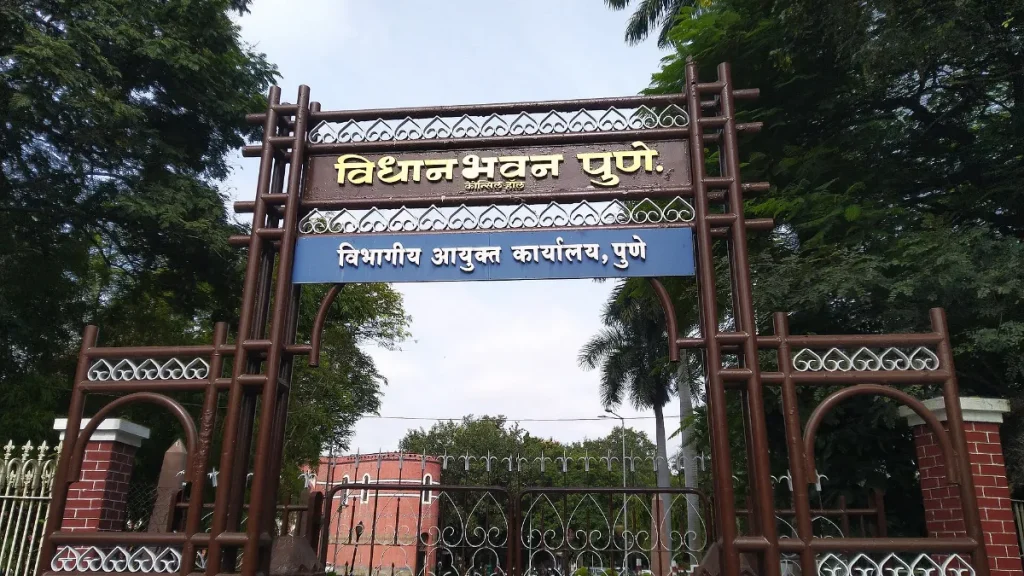
Photo: DesiBoy101 / CC BY-SA 4.0, via Wikimedia Commons
Pune, 29th October 2026: With results for five graduates’ and teachers’ seats coming in this week, plenty of people have been asking what an MLC election actually is. Fair question. Most of us never vote in one. Here’s a plain explanation.
Two houses, not one
Maharashtra’s legislature has two houses. The Legislative Assembly, or Vidhan Sabha, is the one we all vote for; its members are MLAs. The Legislative Council, or Vidhan Parishad, is the upper house, and its members are MLCs.
The Council is never dissolved. Members serve six-year terms, and about a third of them retire every two years.
Where the 78 MLCs come from
- 30 are elected by MLAs
- 22 are elected by local bodies
- 7 come from graduates’ constituencies
- 7 come from teachers’ constituencies
- 12 are nominated by the Governor for their work in areas like literature, science, art, cooperatives and social service
The graduates’ and teachers’ seats cover the Mumbai, Konkan, Nashik, Pune, Aurangabad (Chhatrapati Sambhajinagar), Amravati and Nagpur divisions.
Who votes in a graduates’ (padvidhar) seat
You need to live in the constituency and have been a graduate of a recognised university, or hold an equivalent qualification, for at least three years. Being on the normal voter list isn’t enough. You have to register separately on the graduates’ electoral roll.
Who votes in a teachers’ seat
Teachers who have taught for at least three years in an institution not lower than secondary school, within the constituency, can register and vote.
Why the counting drags on
These elections use ballot papers and preferential voting, also called the single transferable vote. Voters rank candidates instead of picking just one.
Officials first work out a winning quota based on the number of valid votes. If nobody reaches it on first preferences, the candidate in last place is eliminated and their ballots are passed on to whoever was marked next. This keeps going until someone crosses the quota.
It’s slow work, often 30 to 40 hours, and it means an early leader can lose. That’s what happened in the Nagpur Graduates’ contest.
This year’s results
The MVA won all three graduates’ seats (Pune, Nagpur and Marathwada), and the Mahayuti won both teachers’ seats (Pune and Amravati). Here are the full results.
Frequently Asked Questions
What does MLC stand for?
MLC stands for Member of the Legislative Council, the upper house of the state legislature.
Can every voter vote in an MLC election?
No. Only registered graduates vote in graduates’ constituencies, and only eligible teachers vote in teachers’ constituencies. Other MLCs are elected by MLAs or local bodies, or are nominated.
How long is an MLC’s term?
Six years. About one-third of the members retire every two years.