Pune Teachers’ Constituency Result: BJP’s Kaustubh Gawade Wins After 28 Rounds; Sitting MLC Jayant Asgaonkar Finishes Fourth
BJP’s Kaustubh Gawade has won the Pune Teachers’ MLC seat after 28 rounds of counting, defeating Shiv Sena-backed independent Sachin Sanap.
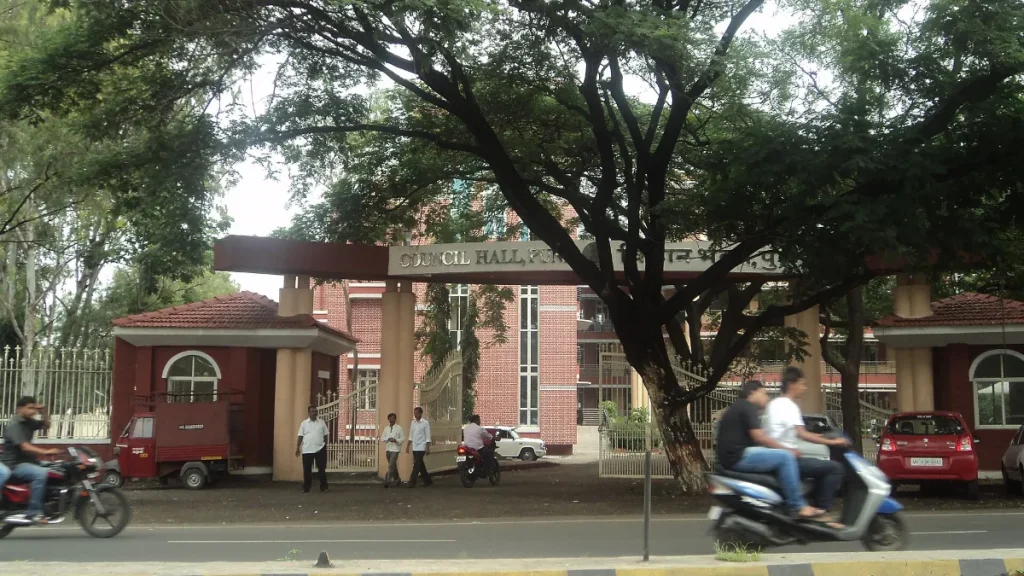
Photo: Shankyrosh / CC BY-SA 3.0, via Wikimedia Commons
Pune, 29th October 2026: It took 28 rounds, but the BJP’s Kaustubh Gawade has won the Pune Teachers’ constituency of the Legislative Council. He defeated Sachin Sanap, an independent backed by Deputy Chief Minister Eknath Shinde’s Shiv Sena.
According to ANI, Gawade received 23,117 votes and Sanap 16,347, a margin of roughly 6,770. Independent Dattatray Sawant was third. Congress’s Jayant Asgaonkar, the sitting MLC, finished fourth with 8,965 votes.
A bad day for the sitting MLC
For Asgaonkar, finishing fourth is a heavy blow. What stands out is that the real fight was inside the ruling alliance, with the BJP’s candidate and a Shinde Sena-backed independent taking the top two places.
Gawade kept his reaction low-key. “I would not say that I defeated anyone,” he said after the result.
Who gets to vote here
Only teachers can vote in a teachers’ constituency. Under the Constitution, a voter must have taught for at least three years in an institution not lower than secondary school, within the constituency. The Pune Teachers’ seat covers the Pune division. That keeps the electorate far smaller than the graduates’ seat, which had more than two lakh voters.
The Mahayuti won both teachers’ seats this time, Pune and Amravati, while the MVA took all three graduates’ seats, including Pune Graduates’. See the full Maharashtra MLC results and our explainer on how MLC elections work.
Frequently Asked Questions
Who won the Pune Teachers’ MLC election 2026?
BJP’s Kaustubh Gawade won the Pune Teachers’ constituency.
How many votes did Kaustubh Gawade get?
He received 23,117 votes, against 16,347 for Sachin Sanap, according to ANI.
Who can vote in a teachers’ constituency?
Teachers who have taught for at least three years in institutions not lower than secondary school within the constituency, and who are registered as voters.