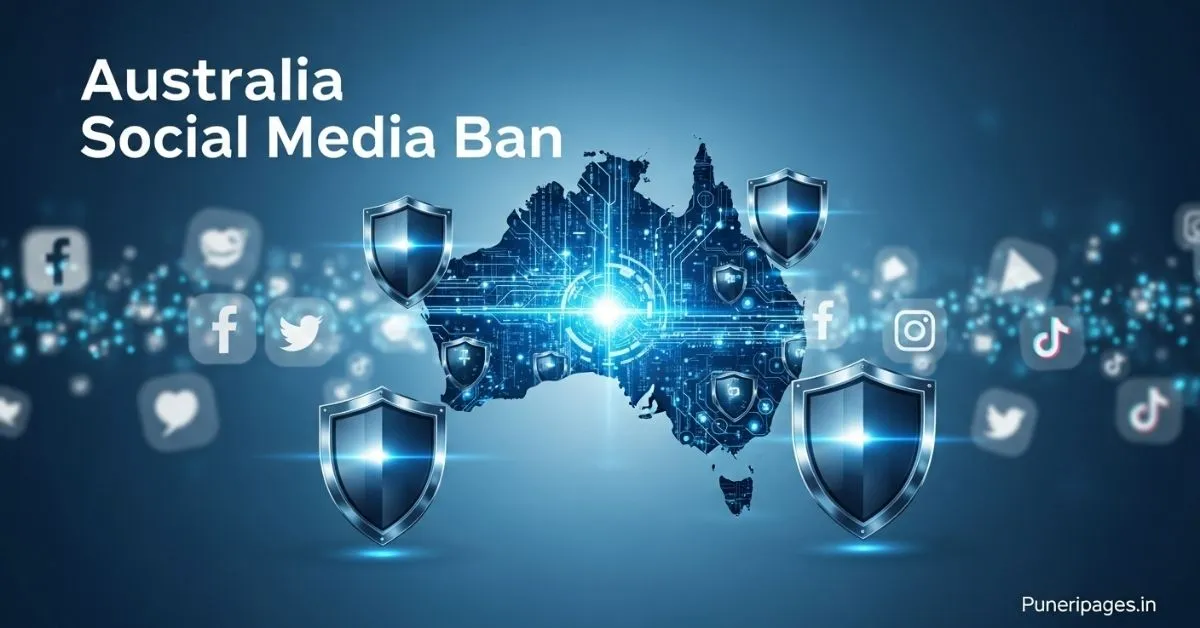
Australia Social Media Ban introduces a powerful shift in digital regulation and online safety.
By Prashant for PuneriPages.in
Australia’s recent decision to implement a sweeping social media ban has generated significant global attention, sparking discussions regarding digital rights, national security, misinformation control, and the evolving relationship between governments and technology platforms. As nations grapple with the increasing influence of social media on public discourse and societal stability, Australia’s bold move establishes a landmark precedent that could shape future digital policy worldwide.
This in-depth analysis explores the core motivations behind the ban, the specific regulatory measures involved, the impact on citizens and businesses, reactions from global tech giants, and the broader implications for digital governance and online freedom.
Table of Contents
Understanding the Australia Social Media Ban
The Australia social media ban refers to a series of policies introduced by the Australian government to regulate or restrict access to major social media platforms under certain circumstances. These measures aim to:
- Limit the spread of harmful content
- Strengthen public safety
- Reduce youth exposure to inappropriate material
- Prevent the rapid dissemination of misinformation
- Hold tech platforms accountable for content moderation
The ban impacts both users and digital platforms, marking a significant shift toward more assertive regulation of online spaces.
Why Australia Implemented the Social Media Ban
Several driving factors compelled national authorities to introduce restrictions across social media networks. The key motivations include:
1. Rising Concerns Over Online Harms
Australian policymakers expressed growing alarm over content involving:
- Cyberbullying and harassment
- Violent extremism
- Graphic videos spreading rapidly
- Child safety risks
- Online radicalization
These escalating threats fueled the urgency for stricter regulatory oversight.
2. Increasing Spread of Misinformation
The government highlighted the rapid spread of false information during elections, public health emergencies, and socio-political crises as a major risk to societal stability.
3. Youth Safety and Screen Addiction
The ban includes provisions limiting younger Australians’ access to certain platforms to:
- Reduce digital addiction
- Improve mental well-being
- Prevent exposure to harmful or age-inappropriate content
4. Limited Cooperation from Tech Platforms
Authorities claim that major tech companies failed to adequately respond to repeated requests for:
- Faster content removal
- Transparent moderation policies
- Clear age-verification frameworks
This perceived lack of accountability pushed the government toward stronger legislative action.
Scope and Structure of the Social Media Ban
The Australia social media ban includes a multi-layered regulatory framework:
Age-Based Restrictions
Children under a specified age bracket face limited or no access to certain platforms. Mandatory parental consent and identity verification systems are being introduced.
Content Regulation
Platforms must immediately remove:
- Hate speech
- Violent or extremist content
- Graphic self-harm material
- Misleading political information
Non-compliance can result in heavy fines or temporary platform blackouts.
Temporary Shutdown Authority
Under exceptional circumstances such as:
- National emergencies
- Major terror incidents
- Widespread riots
Authorities may enforce temporary regional or national shutdowns of platforms.
Data and Privacy Requirements
Platforms must comply with:
- Stricter user-data protection rules
- Transparency in algorithmic recommendations
- Reporting of harmful content patterns
Impact of the Social Media Ban on Australian Citizens
The policy significantly affects the daily lives of millions of Australians.
Reduced Access to Communication
For many young users, the ban limits access to:
- Peer communication
- Online communities
- Entertainment platforms
Mental Health and Digital Well-Being
Supporters argue the ban promotes:
- Healthier screen-time habits
- Reduced cyberbullying
- More offline engagement
Concerns About Free Speech
Critics argue that the policy:
- Limits freedom of expression
- Risks government overreach
- Sets a dangerous precedent for censorship
Economic and Business Implications
Impact on Small Businesses
Many small and medium enterprises rely on social media for:
- Marketing
- Customer engagement
- Sales generation
Restricted access could cause:
- Revenue drops
- Reduced customer reach
- Increased marketing costs
Influencer and Creator Economy
Australia’s thriving creator ecosystem faces challenges such as:
- Loss of income streams
- Reduced brand collaborations
- Lower audience engagement
Tech Sector Response
Digital companies must:
- Adapt algorithms
- Strengthen content moderation
- Overhaul verification systems
These modifications may increase operational costs.
Reaction from Global Tech Companies
Major platforms such as Meta, X, TikTok, and YouTube have voiced concerns regarding:
- Compliance costs
- Privacy implications of identity verification
- Operational difficulty of immediate content removal
- Potential conflicts with global moderation standards
Some companies have threatened legal action or partial withdrawal from the Australian market.
Political and Legal Debates
Supporters of the Ban Argue:
- It protects youth and vulnerable users
- It prevents societal harm
- It enhances national security
- Tech giants must be held accountable
Opponents Counter That:
- It threatens privacy
- It endangers free speech
- It undermines democratic discourse
- It may lead to digital isolation
The issue continues to ignite parliamentary debates, public forums, and legal discussions.
International Reactions and Global Influence
Australia’s bold stance has prompted other nations to consider similar measures. Countries such as:
- The UK
- Canada
- India
- New Zealand
- Several EU nations
are closely monitoring the outcomes. Australia’s policy could influence future global legislation surrounding:
- Online safety
- Youth protection
- Misinformation regulation
- Tech accountability
Challenges and Risks of the Social Media Ban
Implementation Difficulties
Ensuring age verification and rapid content moderation across millions of users poses significant challenges.
Potential Privacy Concerns
Identity verification requires sensitive data, raising the risk of:
- Data breaches
- Misuse of personal information
Resistance from Public and Civil Rights Groups
Protests and petitions highlight fears that the policy could escalate into widespread censorship.
Economic Impact
Reduced digital engagement may affect:
- Tourism marketing
- Local businesses
- Online creators
Future of Digital Governance in Australia
Australia’s social media ban marks the beginning of a transformative era in digital policymaking. Future regulations may include:
- AI-powered content monitoring
- Enhanced parental control tools
- Regional-level moderation
- Transparent oversight councils
- Digital literacy programs in schools
The long-term success of the ban will depend on balancing public safety with digital freedom.
Conclusion: A Pivotal Turning Point in Digital Regulation
The Australia social media ban represents a significant moment in the global debate over online governance, freedom of expression, and child safety. By taking a definitive stance, Australia aims to create a safer, more accountable digital environment—yet the policy carries complex social, economic, and legal implications that must be carefully navigated.
As governments worldwide monitor the repercussions, Australia’s approach may shape the next generation of global digital policy and social platform accountability.
About The Author