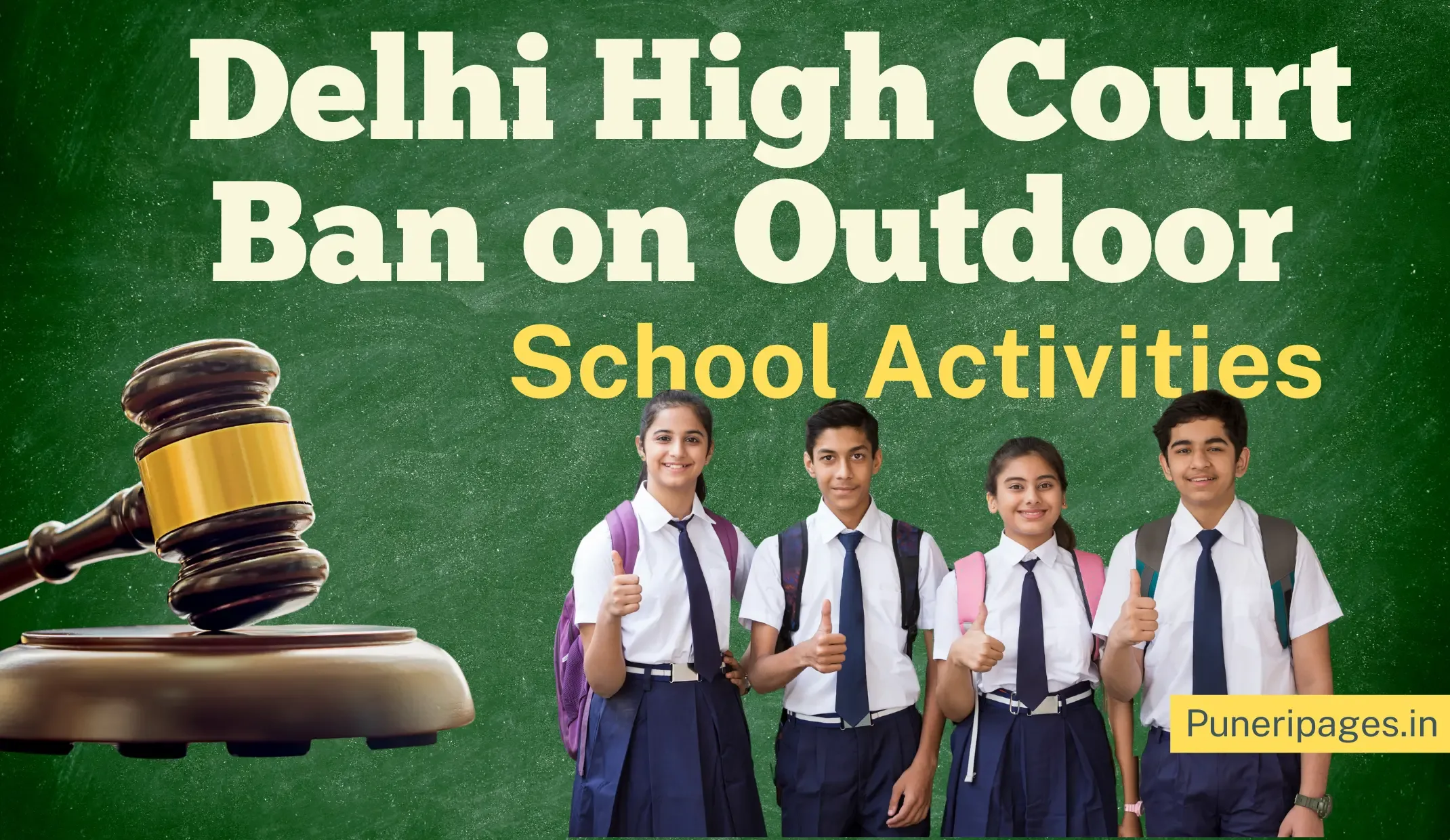
Delhi High Court orders ban on outdoor school activities amid hazardous air quality in the capital.
By Prashant for PuneriPages.in
We examine the urgent decision by the Delhi High Court to intervene and direct a ban on outdoor school activities in the national capital as air-quality levels surge into dangerous zones. The ruling signals a significant judicial push to prioritize children’s health over long-scheduled outdoor sports and drills amid a recurring winter pollution emergency.
Table of Contents
Judicial Directive: A Response to Annual Smog-Driven Risk
The Delhi High Court, presided over by Sachin Datta, expressed strong criticism of the Directorate of Education, Delhi for allowing outdoor sporting events during the peak pollution months of November to January. The bench observed that children’s lungs and overall well-being face what it termed a “public health emergency” when participating in strenuous activities outdoors under hazardous air-quality index (AQI) readings.
During hearings on a petition filed by a group of minor students, the court asked why the sports calendar had not been re-scheduled and why the government was not doing more to protect children from exposure to polluted air while exercising.
Widening Health Alarm: Why Outdoor School Activities Are Dangerous Now
Rising AQI Levels in the Capital
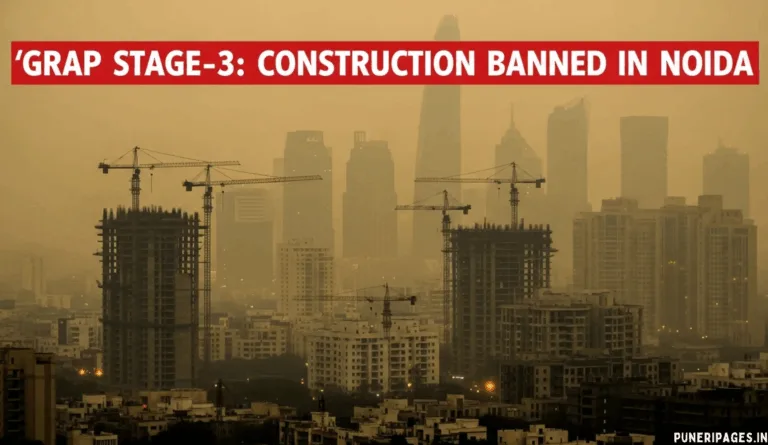
Delhi’s air-quality index has repeatedly crossed into the “very poor” and “severe” categories, with readings above 350–400 on several days. These levels correspond to significant risks for children engaging in outdoor exertion.
Children’s Vulnerability
Experts emphasise that children have faster breathing rates, developing lungs, and higher absorption of pollutants per kilogram of body-weight — making them especially at risk during outdoor sports when pollution levels spike.
Court’s Summary of the Evidence
The High Court pointed to government data and scientific studies showing heightened rates of respiratory distress, asthma flare-ups and compromised lung growth in children exposed to high pollution while exercising outdoors. The court deemed the current scheduling of outdoor sports in winter months “a foreseeable harm”.
Scope of the Ban: What Schools Must Do Immediately
- All outdoor sports activities, trials, coaching camps, zonal tournaments and open-air practice sessions for school students in Delhi must be suspended during the high-pollution period.
- Schools under the DoE, MCD, NDMC and Delhi Cantonment Board are required to comply.
- The court directed that the annual sports calendar be reassessed, with outdoor events re-scheduled to months when air-quality conditions improve — effectively post-board exams and outside the peak smog season.
Implications for Schools, Parents and Students
For Schools
Educational institutions must shift fast to indoor physical activities, furnish containment measures for students, and defer large outdoor events until the air quality stabilises. They will also need to involve parent-teacher forums in re-planning schedules.
For Parents and Students
Parents should monitor the AQI daily, seek updates from schools about activity schedules, ensure students remain indoors during “severe” ratings, and prioritise indoor fitness or non-strenuous activities. Students may face rescheduling of sports trials and camps — adjusting expectations is key.
For Healthcare and Policy
This directive underscores the urgent need for improved indoor physical infrastructure in schools, cleaner-air strategy integration into education policy and active air-quality monitoring linked to school calendars.
Why the High Court’s Intervention Matters for Delhi’s Future
Anchor for Long-Term Policy Change
By characterising the pollution season and its effects on children as a public-health and constitutional issue, the court is pushing for structural change rather than temporary fixes.
Stress Test for School Infrastructure
The ban highlights the gap in school infrastructure: many schools lack adequate indoor sports halls, air-purification systems and contingency plans for high-pollution days.
Precedent for Regional Adoption
Other states in the NCR region may follow suit, using this ruling as a trigger to reform school-sports scheduling and integrate air-quality safeguards into education systems.
What Still Needs to Be Clarified: Next Steps & Responsibilities
- The Delhi DoE must issue a clear directive based on the court’s order, specifying indoor alternatives and rescheduling mechanisms.
- The annual sports calendar must be re-worked in consultation with federations, schools and parent bodies to align with safer periods.
- Schools must communicate to parents about indoor options, postponements and health protocols.
- Monitoring agencies need to provide transparent AQI data with school-level visibility and make public advisories in real time.
- Longer-term investment is needed to upgrade school infrastructure — indoor sports halls, air-sealed buildings, fixed indoor module programmes.
Conclusion: Protecting Young Lungs, Prioritising Health
The Delhi High Court’s decision to ban outdoor school activities during severe pollution spells is a strong and necessary signal: the health of children cannot be compromised by outdated event calendars and systemic inertia. As Delhi endures its annual smog challenges, this directive forces a pivot — from ritual outdoor sports scheduling to adaptive, health-first education planning.
Schools, parents, and policymakers must now act in unison: revise schedules, build indoor fitness capacity, upgrade infrastructure and persistently monitor the air children breathe. The court’s ruling is not just about one winter season — it is about rewriting how a city cares for its young in the face of environmental crisis.
About The Author