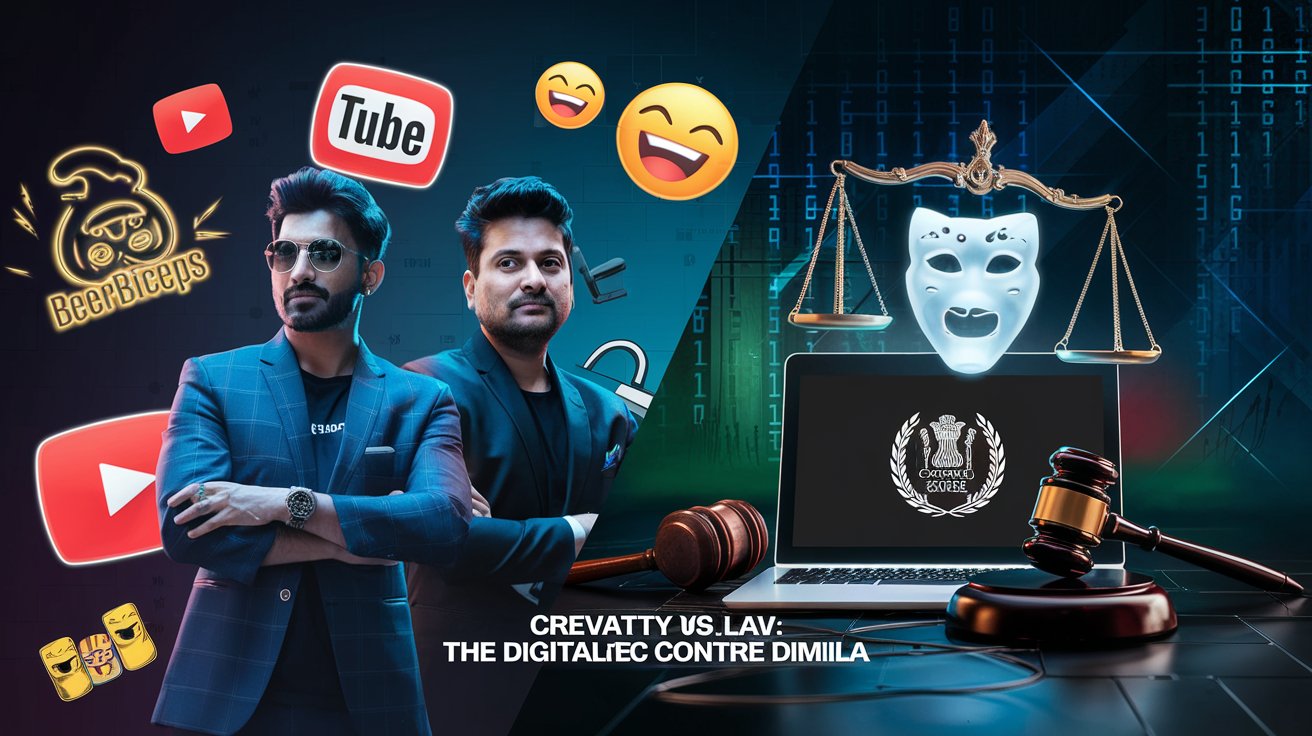
In a case that has ignited nationwide debate, top YouTubers Ranveer Allahbadia (BeerBiceps) and Ashish Chanchlani were summoned by the Maharashtra Cyber Cell over alleged obscenity in their content. This high-profile investigation underscores the tightening scrutiny of digital content in India, raising critical questions about creative freedom, censorship, and the legal boundaries of online expression. Here’s a breakdown of the case, its implications, and what it means for India’s digital future.
1. The Incident: Why Were They Summoned?
- Allegations: The Cyber Cell is investigating potential violations of India’s obscenity laws (IPC Section 292, IT Act Section 67).
- Content Under Scrutiny: Specific videos/episodes in question remain undisclosed, but the probe focuses on material deemed “indecent” or “offensive.”
- Bigger Picture: Part of a broader crackdown on content perceived to breach community standards.
2. Who Are the Accused?
Ranveer Allahbadia (BeerBiceps):
- Niche: Motivation, fitness, entrepreneurship.
- Following: 5M+ subscribers.
- Style: Podcasts, interviews, and self-help content.
Ashish Chanchlani:
- Niche: Comedy sketches, satirical takes on daily life.
- Following: 30M+ subscribers.
- Style: Slapstick humor, relatable scenarios.
3. Legal Framework: Obscenity Laws in India
- IPC Section 292: Criminalizes obscene content that “depraves or corrupts” public morality.
- IT Act Section 67: Penalizes transmitting obscene material electronically.
- Gray Area: Subjective interpretation of “obscenity” often leads to legal ambiguity.
4. Divided Reactions: Creative Freedom vs. Public Decency
Supporters Argue:
- “Comedy and satire need creative leeway; laws shouldn’t stifle expression.”
- Risk of overreach impacting smaller creators.
Critics Counter:
- “Platforms must enforce decency to protect younger audiences.”
- Need for clearer guidelines to prevent misuse.
5. Implications for India’s Digital Ecosystem
- Stricter Guidelines: Platforms like YouTube may tighten content policies.
- Self-Regulation Push: Creators could adopt voluntary codes of conduct.
- Legal Precedent: Case outcome may shape future cyber law enforcement.
6. What’s Next?
- Ongoing Investigation: Cyber Cell to review flagged content and issue findings.
- Possible Outcomes:
- Case dismissal if content deemed within legal bounds.
- Fines or warnings if violations are confirmed.
- Broader Impact: Could inspire policy reforms or spark creator-led advocacy.
7. Global Context: How India Compares
- US: First Amendment protects most content unless inciting violence.
- UK: Strict OFCOM regulations balance humor and harm.
- India: Navigating cultural diversity complicates universal standards.
The Maharashtra Cyber Cell’s probe into Allahbadia and Chanchlani isn’t just about two creators—it’s a litmus test for India’s digital democracy. As regulators grapple with evolving norms, the case highlights the urgent need for transparent guidelines that protect both public decency and artistic liberty. Whether this leads to censorship or clarity, one thing is certain: India’s content landscape is at a crossroads.
🗣️ “Where do you draw the line between creativity and obscenity? Share your views below!”
FAQ
Q: Can they face jail time?
A: If convicted under IPC 292, penalties include up to 2 years in jail; IT Act 67 allows for 3 years.
Q: How can creators protect themselves?
A: Legal audits of content, disclaimers, and adhering to platform guidelines.
Q: Has YouTube removed their videos?
A: Not yet—pending investigation results.
About The Author