A powerful news-style cover image showing a symbolic protest at India Gate where supporters of the Unnao rape victim face force from Delhi Police. The image highlights the nationwide outrage against Kuldeep Sengar’s bail and includes headline text and branding for puneripages.in.
The Unnao rape case, one of India’s most disturbing and high-profile crimes, has once again ignited national outrage after a shocking incident in Delhi. The rape victim’s family members and supporters were dragged by Delhi Police during a peaceful protest at India Gate, where they demanded the cancellation of Kuldeep Singh Sengar’s bail. This incident has triggered intense public debate about law enforcement accountability, women’s safety, and the slow pace of justice in crimes involving influential political figures.
In this detailed article, we examine the latest developments, the events at India Gate, the legal background of the case, nationwide reactions, and the broader implications for India’s justice system.
Table of Contents
Background: The Unnao Rape Case and Kuldeep Sengar’s Political Influence
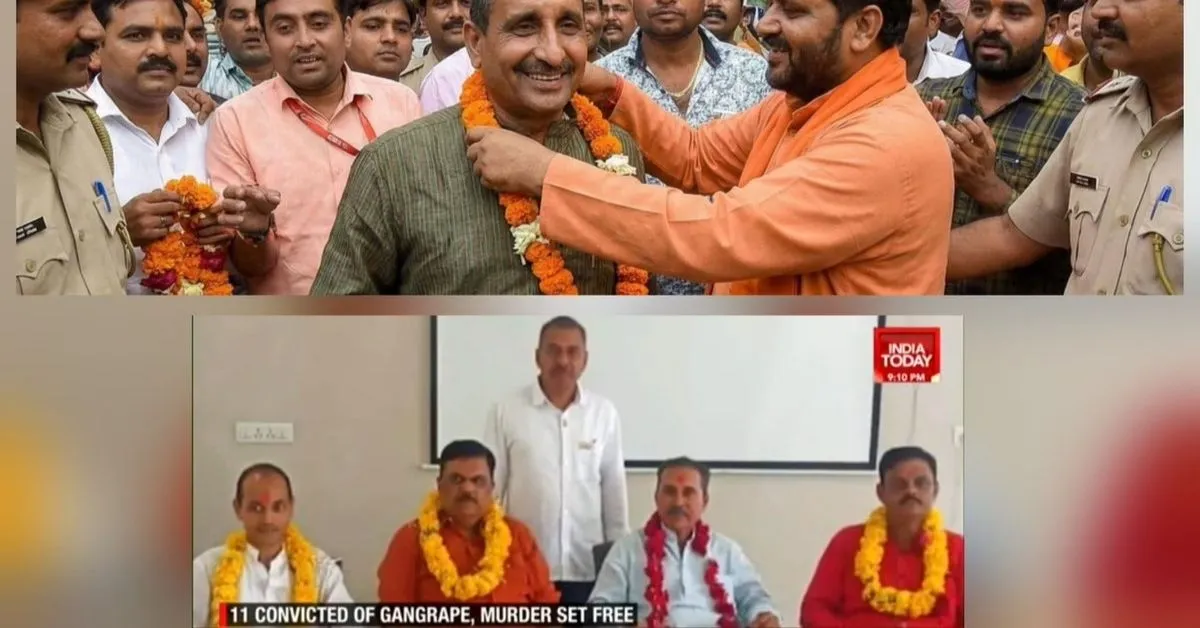
The Unnao rape case, which first made headlines in 2017, involved a minor girl who accused former BJP MLA Kuldeep Singh Sengar of sexual assault. Despite early reports, the case faced initial negligence due to Sengar’s political and social influence in Uttar Pradesh. It was only after intense media pressure and public protests that the investigation gained momentum, eventually leading to Sengar’s arrest.
Sengar, once a powerful political figure with deep local influence, was convicted and sentenced to life imprisonment. However, his recent grant of bail has reopened old wounds and raised fears about the victim’s safety once again.
Why Kuldeep Sengar’s Bail Has Sparked Nationwide Protests
The release of Kuldeep Sengar on bail has been heavily criticized by women’s rights groups, legal experts, and activists. Many believe that granting bail to a high-profile convict in such a sensitive case sends a dangerous message to survivors of sexual violence.
Supporters of the victim have argued that:
- The victim and her family continue to face threats.
- Sengar’s influence could intimidate witnesses.
- Public confidence in the justice system is weakening.
These concerns fueled the protest at India Gate, marking another chapter in the long fight for justice in the Unnao case.
India Gate Protest Turns Chaotic as Police Drag Victim’s Supporters
What was intended to be a peaceful demonstration on the evening of the protest quickly escalated into confrontation. The victim’s sister, relatives, and several activists gathered at India Gate, holding posters and demanding the immediate cancellation of Sengar’s bail.
However, Delhi Police officials attempted to disperse the gathering, stating that protests without prior permission were prohibited in the area. According to eyewitnesses:
- Police forcibly removed banners and posters.
- Protesters were dragged across the pavement, causing distress and injury.
- Women officers attempted to pull the victim’s sister away, sparking outrage among nearby crowds.
- Several people were detained and taken to nearby police stations.
Videos of the incident went viral within minutes, showing uniformed officers dragging women — a scene that has since drawn intense criticism from the public and rights groups.
Public Backlash: Social Media Outrage and Nationwide Support
Shortly after footage of the India Gate incident surfaced online, hashtags such as
#JusticeForUnnaoVictim, #KuldeepSengar, and #DelhiPolice began trending nationwide.
Several prominent voices joined the conversation:
- Women’s rights organisations condemned the police’s excessive use of force.
- Political leaders demanded accountability and questioned the motives behind granting bail.
- Citizens across the country expressed anger over the treatment of the victim’s family.
The incident has revived conversations about systemic flaws in handling cases of gender violence and the treatment of protestors by law enforcement agencies.
Police Justification: What the Authorities Are Saying
Delhi Police released a brief statement clarifying their actions. According to their response:
- The protesters did not have prior permission to demonstrate at India Gate.
- They were asked to disperse but refused to do so.
- Detentions were made as part of crowd-control protocol.
Despite this explanation, critics argue that the use of physical force on women demanding justice was unnecessary, especially considering the sensitivity of the case.
Legal Experts Question the Bail Decision
Legal scholars and human rights lawyers have raised significant concerns about the court’s decision to grant Sengar bail. Many argue that:
- In cases involving sexual violence, especially where the convict is influential, courts must consider potential threats to the victim and witnesses.
- The history of intimidation, including earlier threats in the Unnao case, makes bail a questionable decision.
- Bail could severely compromise the safety of individuals connected to the case.
Several petitions challenging the bail order are reportedly being prepared for submission.
Impact on Women’s Safety and India’s Justice System
The Unnao case has repeatedly exposed serious flaws in India’s justice machinery:
1. Slow Legal Processes
Victims often wait years to see progress, creating deep psychological trauma.
2. Influence of Powerful Individuals
The presence of political power can distort investigations and court proceedings.
3. Policing Standards
The India Gate incident once again raises concerns about police actions during protests, especially those involving women.
4. Public Trust
Each controversial decision contributes to eroding faith in the judiciary and law enforcement.
Voices from the Ground: What the Protesters Want
Protesters across India have made some clear demands:
- Immediate cancellation of Kuldeep Sengar’s bail
- Protection for the victim and her family
- Investigation into police misconduct at India Gate
- Reforms in handling gender-based crimes
Many protesters expressed frustration at repeatedly witnessing survivors and their families struggle for justice in cases involving influential individuals.
Conclusion: A Renewed Call for Justice
The shocking scenes at India Gate have reignited national debate on women’s safety, accountability, and the functioning of the justice system. The Unnao rape victim’s supporters being dragged by Delhi Police has become a symbol of the ongoing challenges faced by survivors seeking justice.
The demand is clear: Justice must not only be done — it must be seen to be done.
The nation now watches closely to see how authorities respond to the public outcry and whether genuine, systemic improvements will follow.
About The Author