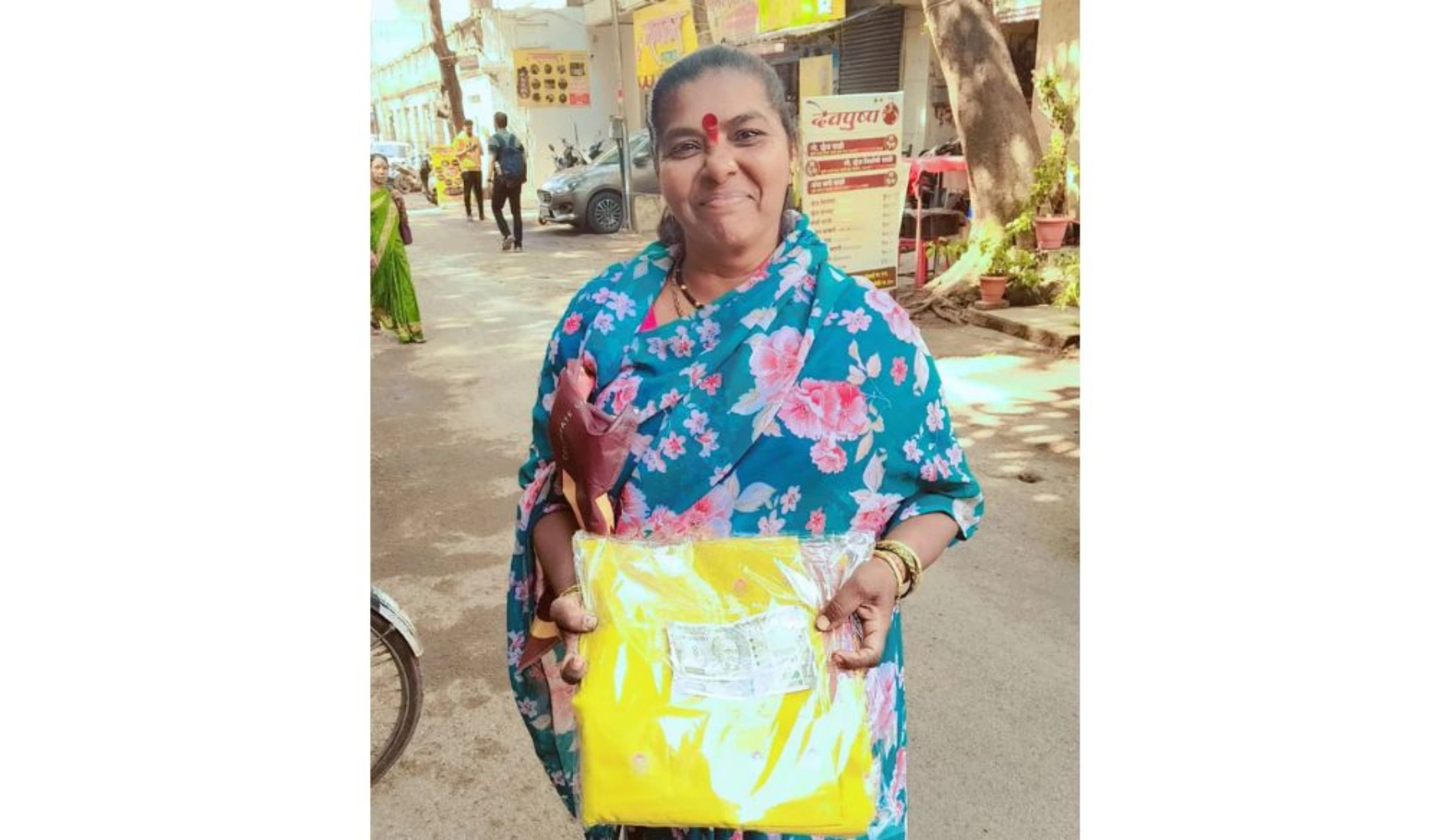
Anju Mane, a Pune waste picker, found and returned a bag with ₹10 lakh in Sadashiv Peth — a remarkable story of honesty that has inspired the entire city.
By Prashant for PuneriPages.in
We spotlight an incredible act of integrity that has touched hearts across Pune and beyond. A long-serving waste-picker in Sadashiv Peth discovered a bag containing ₹10 lakh on the street and diligently returned it intact. This story transcends simple honesty — it reflects civic trust, grassroots dignity, and the human bonds that underpin urban life in Pune.
Table of Contents
Discovery of the Bag and the Honest Response
On the morning of 21 November 2025, around 8 AM, Anju Mane, who has worked as a sanitation worker in Sadashiv Peth for nearly two decades, was carrying out her routine door-to-door waste collection under the Swachh Pune initiative. While transferring the waste collected from households to a feeder point, she spotted an unattended bag placed near the roadside.
Initially assuming it contained medical supplies — given the locality’s activity — she placed it aside for safety. On closer inspection, she found the bag concealed a large bundle of cash. Acting with calm clarity, she began asking residents in the vicinity if someone had lost a bag. Soon, she observed a man in visible distress looking for something. Approaching him, she confirmed the bag belonged to him and was able to return it untouched.
The Woman Behind the Act — Anju Mane
Anju Mane has been working in Sadashiv Peth’s sanitation ecosystem for nearly 20 years. Her daily routine includes early-morning collection rounds, interacting with residents, and maintaining a trusted presence in the community. The fact that she extended care, offered the distressed owner water, and verified the bag’s contents speaks volumes about her personal ethics and community rapport.
Residents of Sadashiv Peth organised an impromptu felicitation at the spot: presenting Mane with a sari and a cash token of appreciation as a gesture of gratitude for her integrity.
Impact on Civic Trust and Local Sanitation Ecosystem
This event holds significance not just as a one-time incident but as a landmark example of trust between sanitation workers and citizens. In Pune, over 4,000 waste-pickers under the Swachh programme serve nearly 40 lakh residents daily — making acts of integrity even more vital for urban social infrastructure.
Such episodes reinforce the dignity of sanitation work, often overlooked in urban narratives. They highlight how grassroots workers are not only custodians of cleanliness, but also pillars of community integrity and cooperation.
Why This Gesture Resonates Beyond the Locality
1. Honour in Everyday Work
Sanitation work is demanding, early-hour, physically taxing, and often under-appreciated. Anju’s decision to return such a large sum of money stands as an affirmation: compassion and integrity can thrive even in routine labour.
2. Cultural Symbolism
Sadashiv Peth, one of the oldest neighbourhoods in Pune, has deep cultural roots. The bag was found and returned within a community context — strengthening the social fabric of that neighbourhood and inspiring trust in urban systems.
3. Challenging Stereotypes
Often sanitation staff are invisible in headlines. This story shifts the narrative: they are agents of change, moral clarity, and reliability. It encourages public recognition of their role beyond waste collection — as social anchors.
City-wide Relevance for Urban Governance
Urban planners and civic officials can draw key lessons from this incident:
- Recognition Matters: Public recognition of frontline workers fosters morale, improves retention, and elevates performance.
- Community Engagement: If residents know sanitation workers by name and face, they are more likely to cooperate and value the service.
- Visibility of Integrity: Highlighting ethical acts helps build collective civic culture, which in turn supports compliance, reporting and responsiveness.
- Inclusive Respect: Honouring workers from marginalised segments strengthens social cohesion, making the city’s ecosystem more inclusive.
Reflections from the Local Community
Several residents from the area commented that despite the significant sum of money, the bag was returned in full — unlike common expectations of “found items” disappearing. One resident said: “We hear of large losses but seldom of such returns. It has renewed our faith in our local workers.”
For Anju Mane, the act was rooted in a simple principle: “Taking what is not ours doesn’t bring any good.” Her words resonate especially in an era of rapid urban change and rising economic pressures.
What This Means for Pune’s Future
- On the floor: Sanitation teams across Pune may see renewed recognition drives; civic authorities might integrate ethics training and “spotlight acts” into their communications.
- In policy: The city may consider formal awards or annual recognition for outstanding workers in sanitation and public service — promoting a culture of pride and accountability.
- In community: Citizens may become more aware of the human beings behind urban services — not just contractors or staff, but neighbours, helpers, and trusted guardians of daily life.
A Moment of Integrity, A Movement of Respect
Anju Mane’s honest act may seem small in the context of a bustling city, but it carries outsized weight. It reflects the strength of everyday values, the power of trust, and the potential for dignity in unexpected places. As Pune continues to grapple with growth, infrastructure and civic challenges, the story reminds us that the city’s soul often lies in the hands of those who quietly serve it each morning.
About The Author