Yes Bank AT-1 Bonds Case: Bank Seeks Supreme Court Review of Rs 8,415 Crore Ruling; What It Means for Investors
Yes Bank has asked the Supreme Court to review its October 15 ruling that set aside the Rs 8,415 crore AT-1 bond write-down. The case history and what it means for shareholders and bondholders.
Collage: Puneri Pages (CC BY-SA 4.0). Photos via Wikimedia Commons: Pinakpani / CC BY-SA 4.0; Niyantha Shekhar / CC BY 2.0; Monito - Money Transfer Comparison / CC BY 2.0; Subhashish Panigrahi / CC BY-SA 4.0; BSEINDIA / CC BY-SA 3.0; Libreravi / CC BY-SA 4.0; Appaiah / CC BY-SA 2.0
Mumbai, 14th November 2026: Yes Bank has filed a review petition in the Supreme Court against the court’s 15 October judgment that set aside the bank’s Rs 8,415 crore write-down of its AT-1 bonds. The bank disclosed the move in a stock exchange filing on Friday, the Business Standard reported.
The Yes Bank AT-1 bonds case is one of the longest-running disputes in Indian banking, and it matters to thousands of bondholders and to the bank’s shareholders, many of them retail investors.
What are AT-1 bonds?
Additional Tier-1 (AT-1) bonds are a type of perpetual bond that banks issue to raise capital. They pay a higher interest rate than ordinary bonds because they carry more risk: under their terms, the bank can write them down if it gets into serious trouble.
Individual investors, including senior citizens, bought many of the Yes Bank AT-1 bonds. Many of them later said they thought these were safe, fixed-deposit-like products.
How the Yes Bank AT-1 bonds case began
In March 2020, the Reserve Bank of India stepped in to rescue Yes Bank, which was struggling with bad loans and governance problems. As part of that reconstruction, the bank wrote down the full value of its AT-1 bonds, about Rs 8,415 crore, to zero.
The dispute covers two issues, according to the Business Standard:
| Issue | Amount | Coupon |
|---|---|---|
| December 2016 | Rs 3,000 crore | 9.5% |
| October 2017 | Rs 5,415 crore | 9% |
Timeline of the case
- March 2020: the bank writes down the bonds during the RBI-led reconstruction.
- May 2020: Axis Trustee Services, representing bondholders, challenges the write-down in the Bombay High Court.
- January 2023: the High Court quashes the write-down.
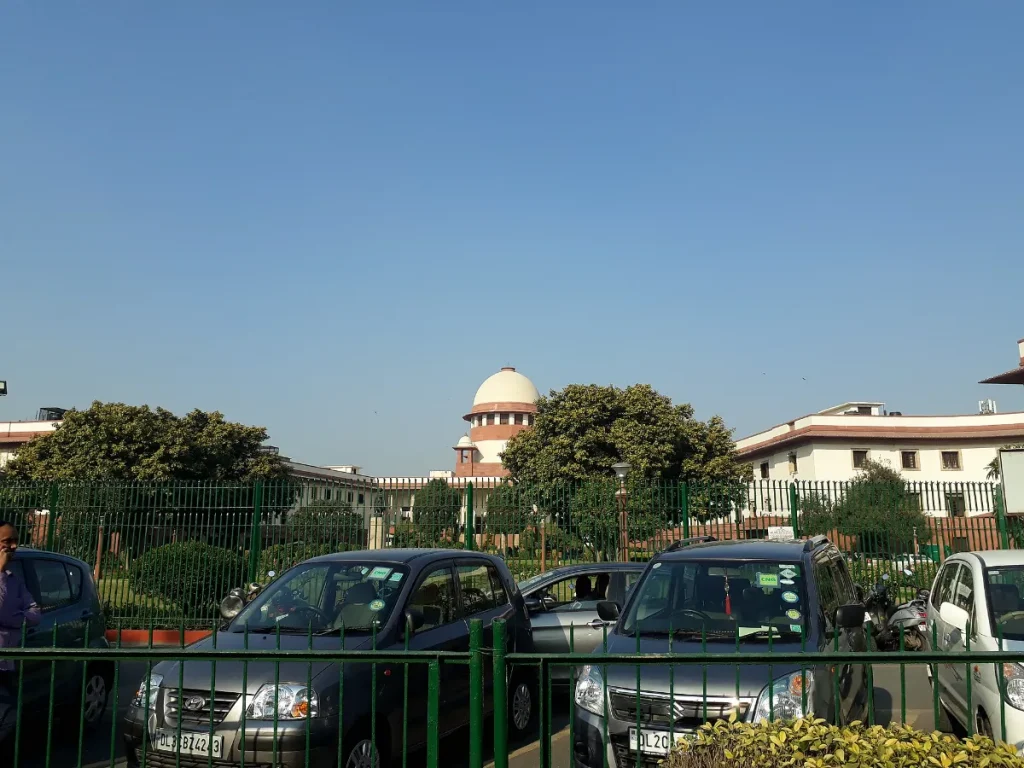
- 15 October 2026: the Supreme Court upholds the High Court’s ruling. It also says the bank must pay annual coupons as per the bonds’ information memorandums.
- After the ruling: the trustee seeks restoration of the bonds in depository and exchange records and indicates it could start contempt proceedings over alleged non-compliance.
- 13 November 2026: Yes Bank files a review petition under Article 137 of the Constitution.
More background is in Wikipedia’s account of the AT-1 bond controversy.
What does a review petition mean?
A review petition asks the same court to reconsider its own judgment. The Supreme Court admits reviews only on narrow grounds, such as an error apparent on the face of the record. The same bench usually decides them in chambers, often without oral arguments. The court dismisses most review petitions, but filing one keeps the bank’s legal options open while it deals with compliance.
What it means for Yes Bank shareholders
Restoring the bonds affects the bank’s capital. Yes Bank has said that reinstating the principal could reduce its Common Equity Tier-1 (CET1) ratio by about 250 basis points, based on its June 2026 position, the Business Standard reported. It said the change would not hit the overall Tier-1 ratio in the same way.
The bank remains well capitalised after its rescue, but a lower CET1 ratio can affect growth plans and how investors value the stock.
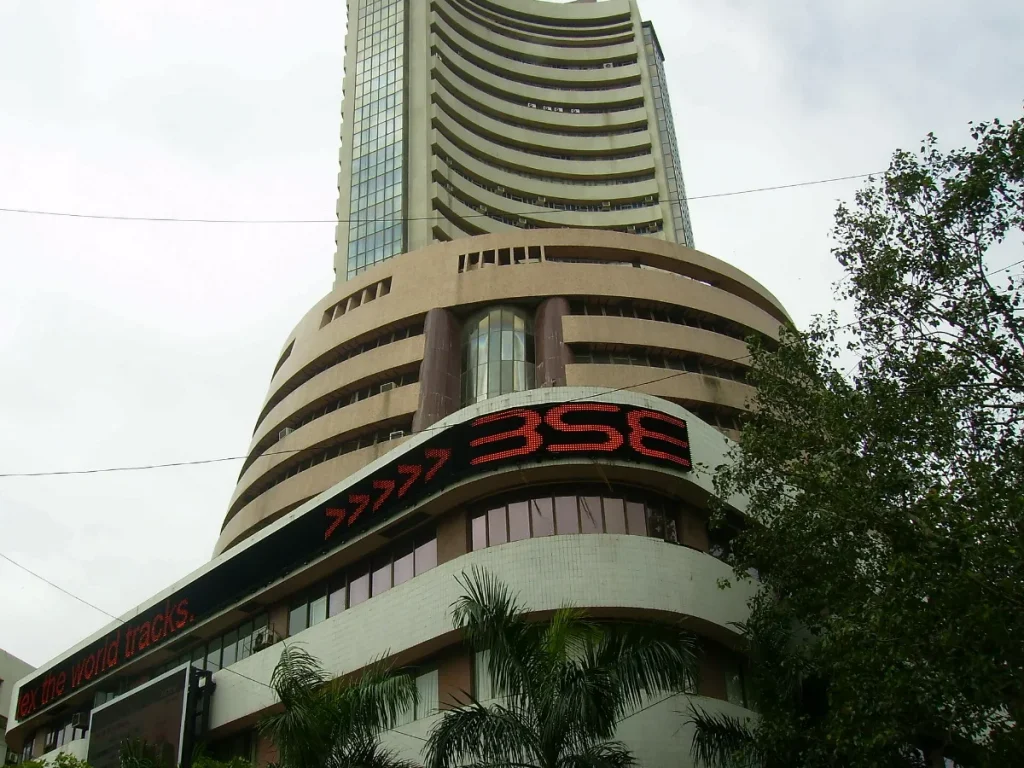
Yes Bank was among the most actively traded stocks on Indian exchanges on Friday, 13 November, as investors weighed the legal fight.
What it means for AT-1 bondholders
For bondholders, the October ruling was a major win after more than six years. The review petition delays the final settlement. Until the court decides on the review, the restoration of their bonds in records and the payment of coupons may stay contested.
Bondholders should keep their holding statements, contract notes and any communication from the trustee, and follow updates from Axis Trustee Services.
Lessons for small investors in Pune
Many Punekars hold bank shares or bonds through demat accounts. A few lessons from this case:
- Higher interest always means higher risk. AT-1 bonds are not fixed deposits.
- Read the term sheet or information memorandum, especially clauses on write-down and loss absorption.
- Do not put all your savings in one bank’s instruments.
- DICGC insures bank deposits up to Rs 5 lakh per depositor per bank; it does not cover bonds and shares. Read our explainer on deposit insurance.
This article is for general information and is not investment advice. Consult a SEBI-registered adviser before making decisions.
For more market news, see our markets and money section. We will update this story when the Supreme Court hears the review petition.
Frequently asked questions
Why did Yes Bank file a review petition?
Yes Bank wants the Supreme Court to reconsider its 15 October 2026 judgment, which set aside the bank’s Rs 8,415 crore AT-1 bond write-down.
How much are the Yes Bank AT-1 bonds worth?
The two issues together are worth Rs 8,415 crore: Rs 3,000 crore issued in December 2016 and Rs 5,415 crore issued in October 2017.
How will the ruling affect Yes Bank?
The bank has said reinstating the bonds could cut its CET1 capital ratio by about 250 basis points, based on its June 2026 position.
Are AT-1 bonds safe for retail investors?
They are risky instruments that a bank can write down if it is in trouble, so they are not a substitute for fixed deposits.